
The Republic of Korea Armed Forces — the military of South Korea — field one of the largest standing forces in the world, built around universal male conscription and a rank system shaped by decades of close cooperation with the United States. Because of that partnership, Korean ranks will look familiar to anyone who knows the US system, yet they carry distinctly Korean touches: the Mugunghwa (rose of Sharon) blossom on NCO insignia, lozenge-and-bamboo officer devices, and a single warrant officer grade called junwi. This complete 2026 guide lists every South Korean military rank in order — Army, Navy, and Air Force — shows its insignia, and explains the conscript, NCO, and officer tracks, what each rank does, and how promotion works.
One useful fact first: all three services share the same rank titles in Korean. The English titles shown below (Second Lieutenant, Captain, Sergeant Major, and so on) are comparative equivalents, not literal translations. The ROK Marine Corps — which falls under the Navy — uses the same rank structure, so this guide covers the Army, Navy, and Air Force in full.
How Conscription Shapes the ROK Rank System
Military service in South Korea is compulsory for all able-bodied men aged 18 to 28, and that single fact defines the whole rank ladder. The system has four tiers, in descending order of authority: commissioned officers, the warrant officer (junwi), non-commissioned officers (hasa through wonsa), and junior enlisted personnel — the byeong grades, where every conscript serves. Officers, warrant officers, and NCOs are volunteers who serve longer, career terms; the byeong grades are filled by conscripts doing their mandatory term.
Current service lengths, after the reforms of recent years, are 18 months in the Army and Marine Corps, 20 months in the Navy, and 21 months in the Air Force (down from 21, 23, and 24 months). Women are not conscripted but may volunteer as officers, warrant officers, or NCOs. When conscripts finish their term, they are automatically placed on the reserve roster and attend annual training for several years. Because conscripts make up the bulk of the force — South Korea keeps roughly half a million personnel on active duty — the four byeong grades are the most numerous ranks in the country, while NCOs and officers form the professional backbone above them.
Commissioned Officer Ranks of the ROK Army
ROK Army officers commission through the Korea Military Academy, university ROTC programs, or Officer Candidate School, and enter the wigwan (company-grade) ranks. Above them sit the yeonggwan (field-grade) officers and the jangseong (general-officer) grades. The table below lists every Army commissioned rank from lowest to highest, with its shoulder-board insignia, NATO code, and typical responsibilities.
| Insignia | Rank | NATO Code | Details |
|---|---|---|---|
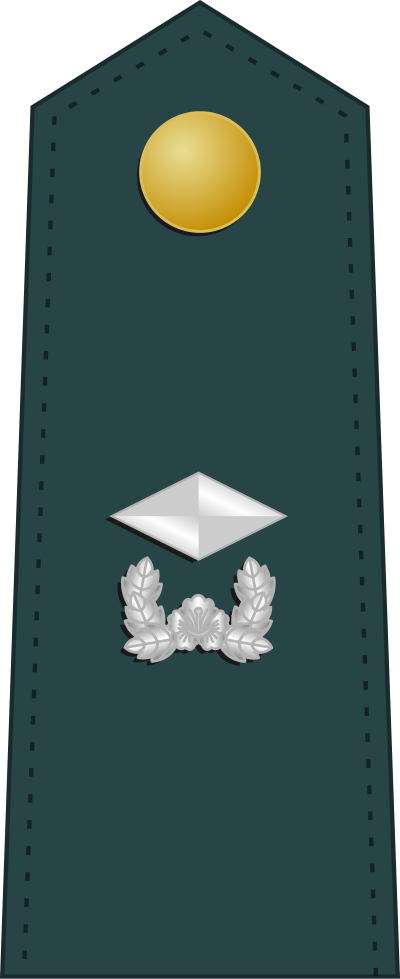 | Sowi (소위) — Second Lieutenant | OF-1 | The entry commissioned grade. A sowi typically leads a platoon of about 30 soldiers or serves as a staff assistant at battalion level. |
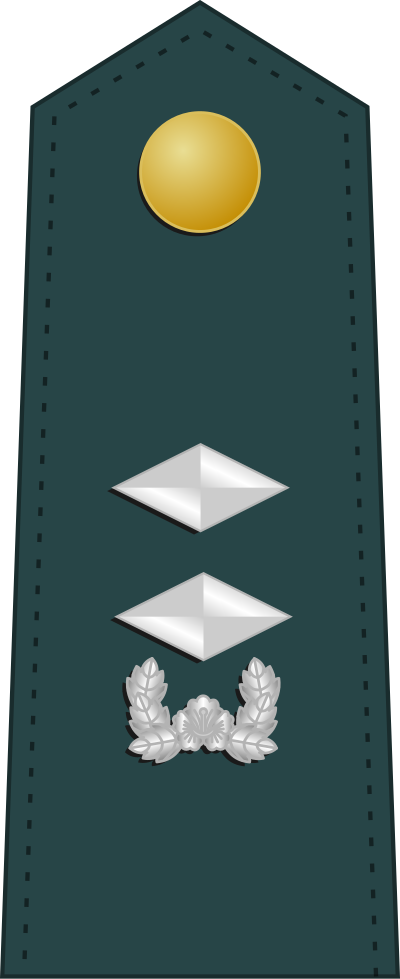 | Jungwi (중위) — First Lieutenant | OF-1 | Reached roughly a year after commissioning. Commands a platoon or serves as a company executive officer — the commander’s second-in-command. |
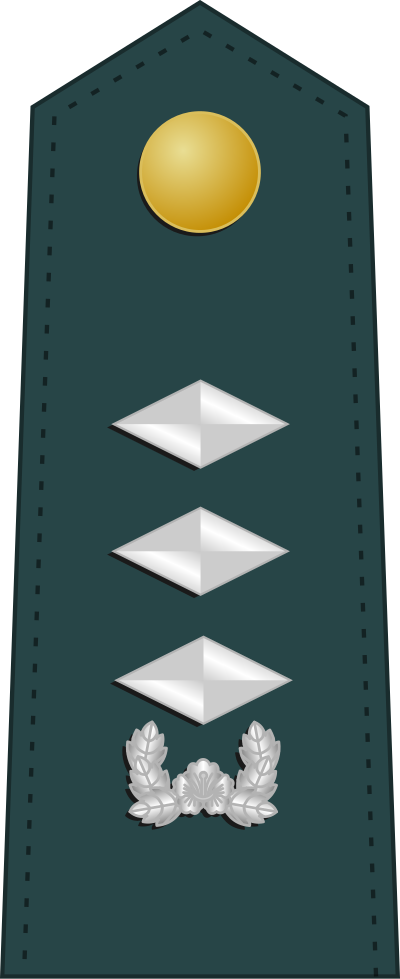 | Daewi (대위) — Captain | OF-2 | The classic company commander grade, leading 100–200 soldiers, or holding a key battalion staff appointment. |
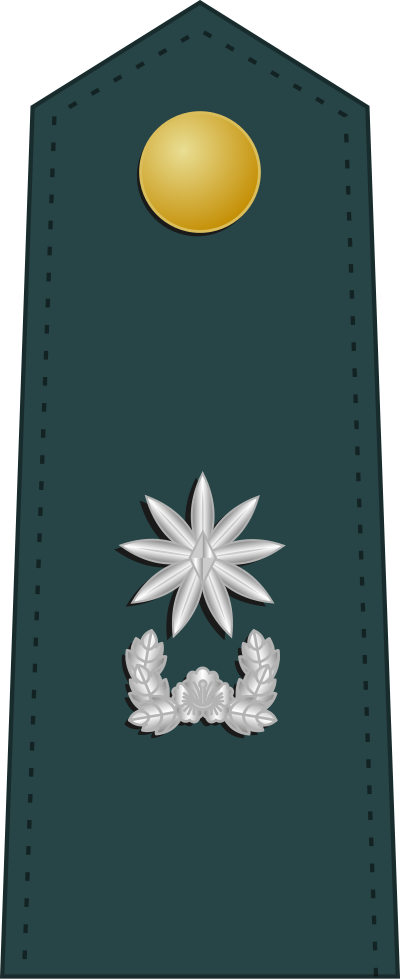 | Soryeong (소령) — Major | OF-3 | First field-grade (yeonggwan) rank. Often the battalion executive officer or a brigade-level staff officer. |
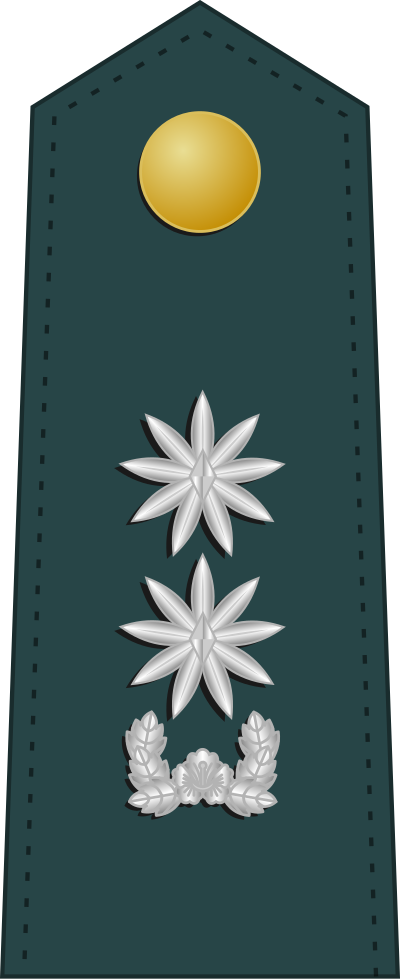 | Jungnyeong (중령) — Lieutenant Colonel | OF-4 | Commands a battalion of 500–800 troops, or heads a staff section at brigade level. |
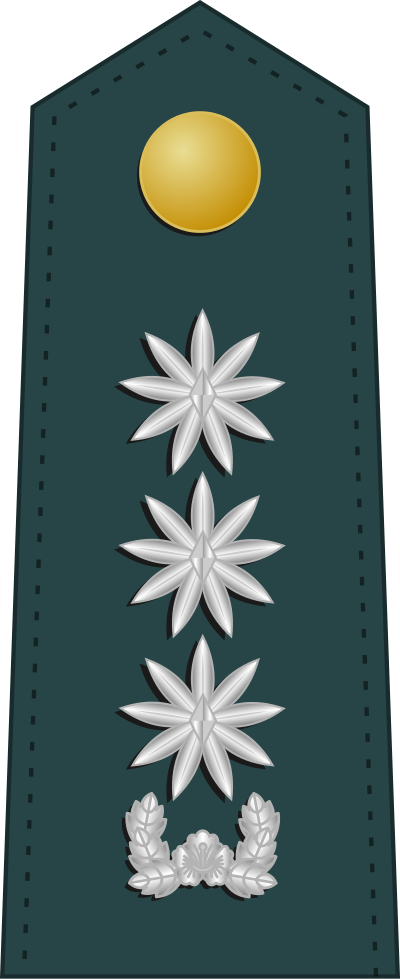 | Daeryeong (대령) — Colonel | OF-5 | Commands a regiment or brigade, and serves as a principal staff officer at division level. |
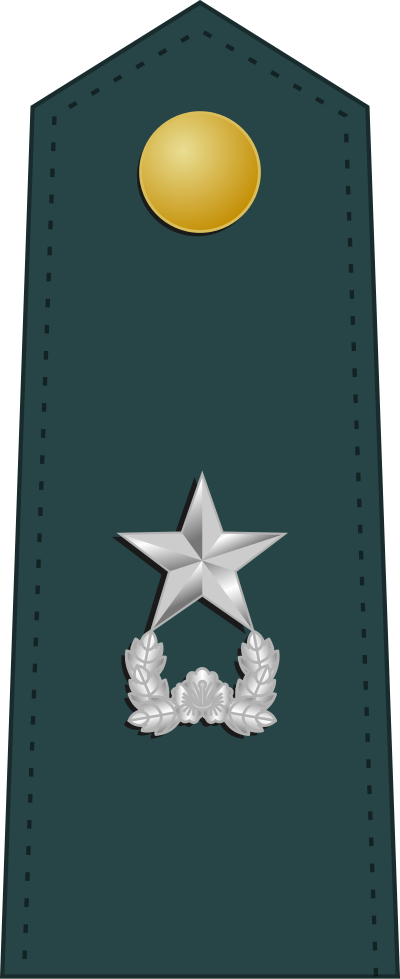 | Junjang (준장) — Brigadier General | OF-6 | The first jangseong (general-officer) grade. Typically a brigade commander or deputy division commander. |
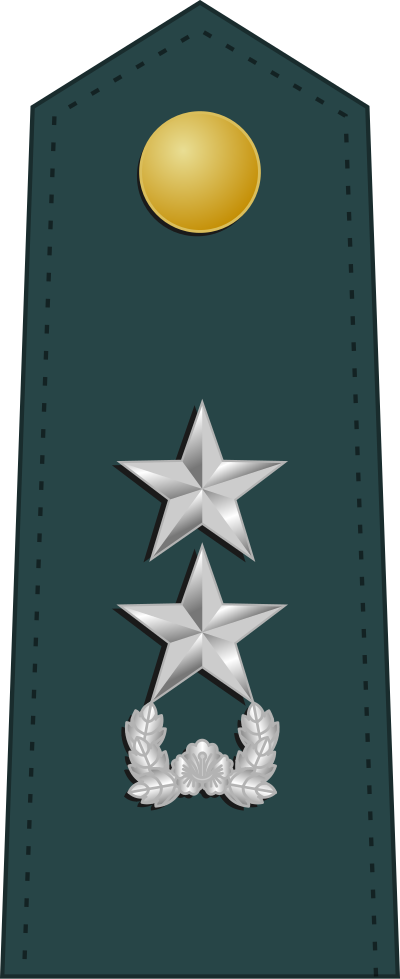 | Sojang (소장) — Major General | OF-7 | Commands a division of roughly 10,000 troops — the ROK Army’s main maneuver formation. |
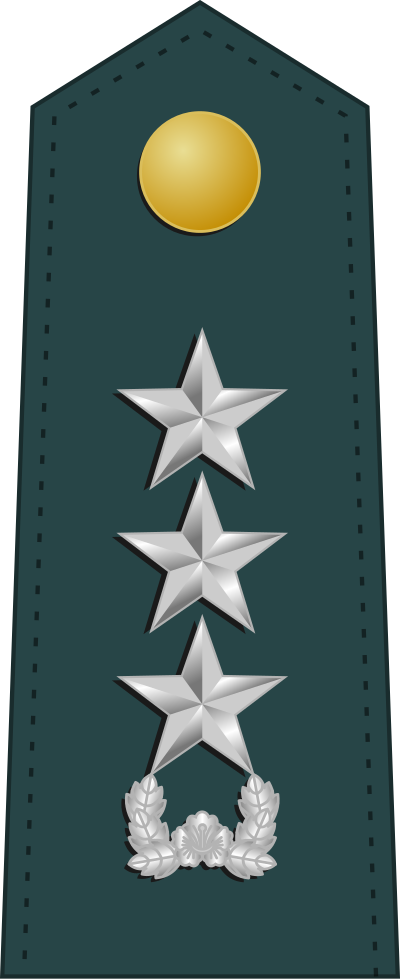 | Jungjang (중장) — Lieutenant General | OF-8 | Commands a corps or serves as deputy commander of a major command. |
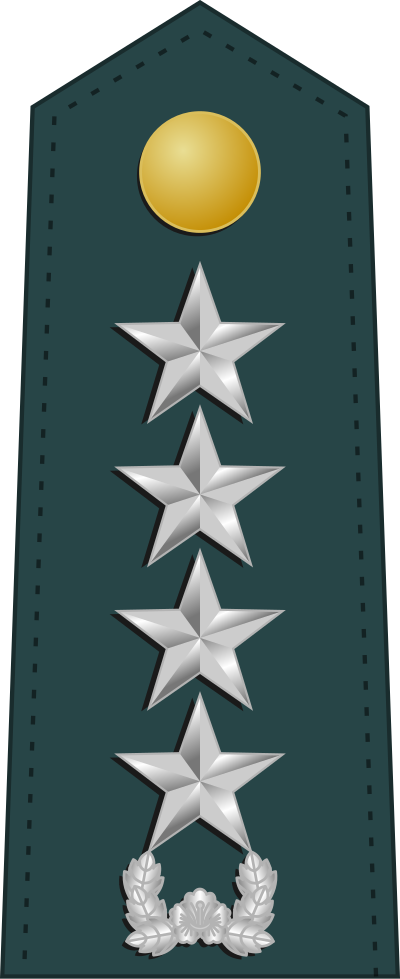 | Daejang (대장) — General | OF-9 | Highest active rank. Held by the Army Chief of Staff, the Chairman of the Joint Chiefs of Staff, and other top commanders. |
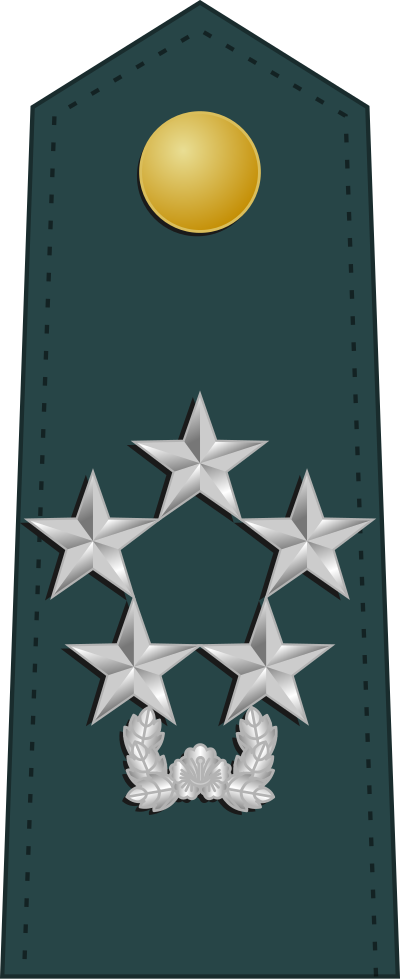 Wonsu (원수) is the honorary five-star rank (OF-10) of the Republic of Korea Armed Forces, sitting above daejang. It is a ceremonial distinction rather than a working grade — no serving officer currently holds it.
The Junwi: South Korea’s Lone Warrant Officer Rank
Between the NCOs and the commissioned officers sits exactly one grade: junwi (준위), the warrant officer. Every branch of the ROK Armed Forces maintains this single warrant officer rank rather than the tiered warrant grades seen in the US system. A junwi is a deep technical specialist — in fields such as aviation, maintenance, or administration — promoted from the senior NCO ranks on the strength of proven expertise. The insignia is a gold-colored version of the sowi device, and in the Navy it is worn as a single broken sleeve stripe. Because junwi sit outside both the conscript track and the normal officer pipeline, they are the go-to experts whose authority rests on mastery of their craft rather than command.
| Insignia | Rank | NATO Code | Details |
|---|---|---|---|
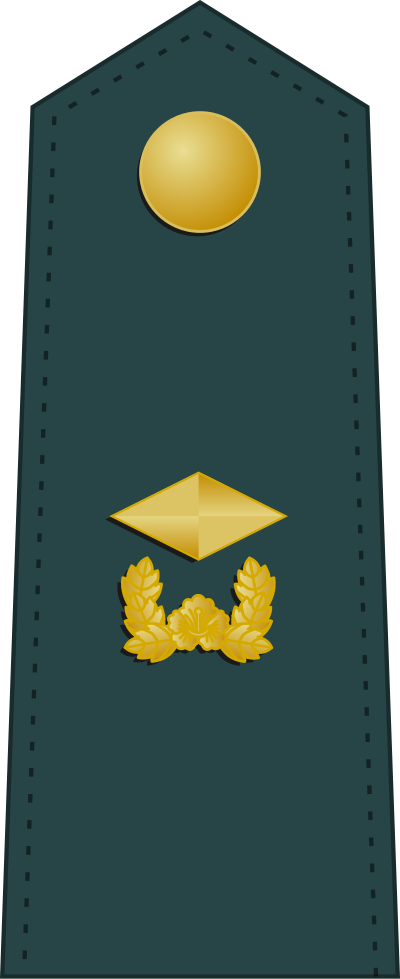 | Junwi (준위) — Warrant Officer | WO-1 | Technical specialist promoted from senior NCOs; outranks all NCOs but is junior to commissioned officers. |
NCO and Conscript Ranks of the ROK Army
This is the heart of the system most Koreans experience personally. The four byeong grades (OR-1 to OR-4) are the conscript ranks — every draftee enters as an ideungbyeong and climbs, roughly by time in service, to byeongjang before discharge. The four NCO grades (OR-5 to OR-8) are the career backbone: volunteer soldiers who serve longer terms, lead squads and platoons, and provide the continuity that a conscript-heavy force depends on.
| Insignia | Rank | NATO Code | Details |
|---|---|---|---|
 | Ideungbyeong (이등병) — Private | OR-1 | The entry conscript grade after basic training; a junior soldier with no supervisory role. |
 | Ildeungbyeong (일등병) — Private First Class | OR-2 | Earned after a few months of service; a soldier trusted with more responsibility and routine duties. |
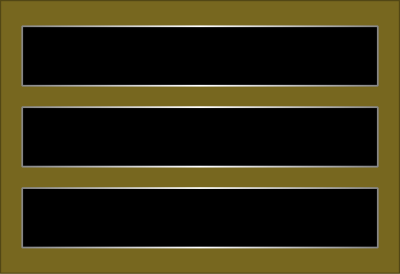 | Sangdeungbyeong (상등병) — Corporal | OR-3 | Senior conscript grade; mentors newer soldiers and assists the squad leadership. |
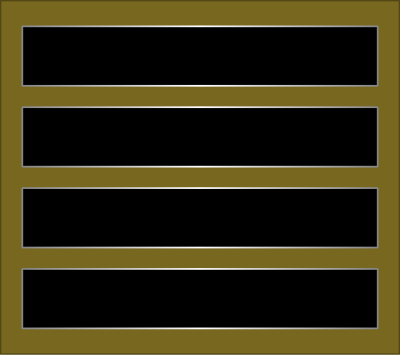 | Byeongjang (병장) — Sergeant | OR-4 | The highest grade a conscript normally reaches; often acts as squad leader or assistant squad leader in the final months of service. |
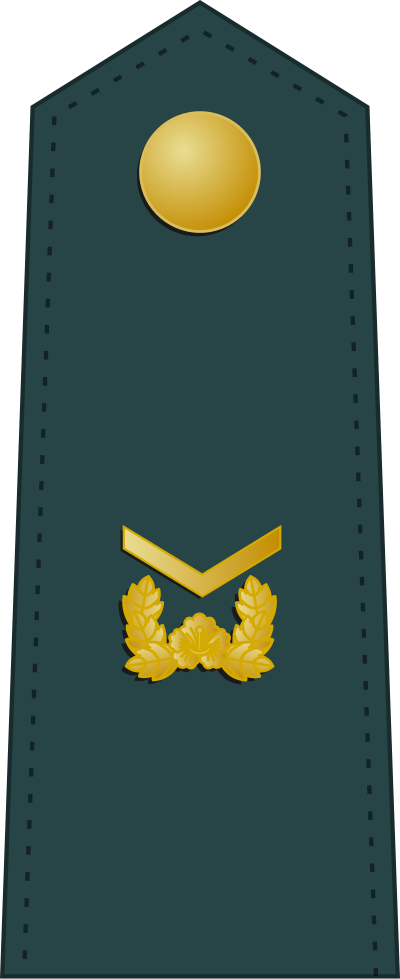 | Hasa (하사) — Staff Sergeant | OR-5 | The first NCO grade — reached by volunteers and outstanding conscripts who extend or re-enlist; leads squads and serves as a specialist technician. |
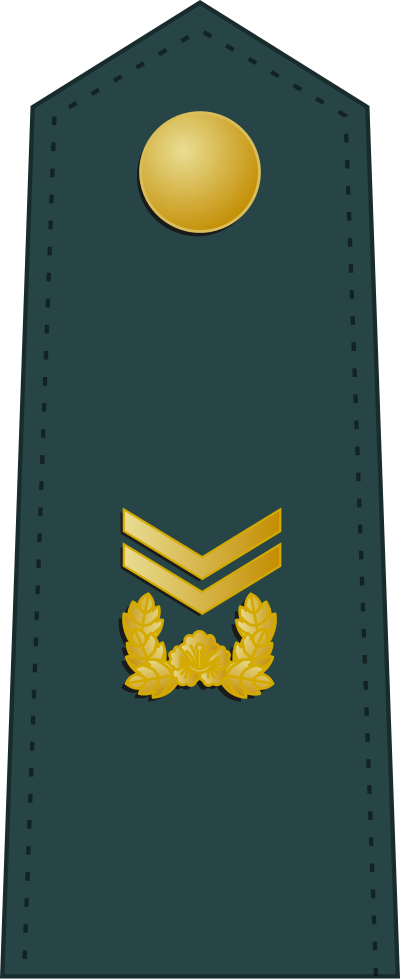 | Jungsa (중사) — Sergeant First Class | OR-6 | Senior squad and team leadership; the experienced core of platoon-level operations. |
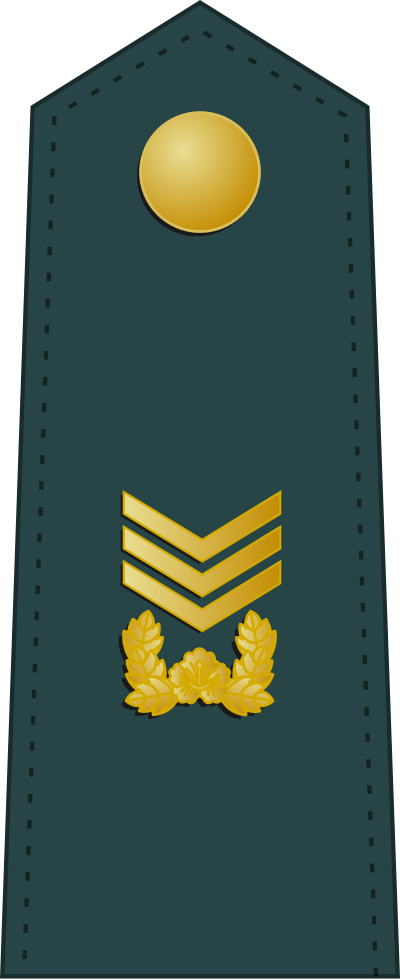 | Sangsa (상사) — Master Sergeant | OR-7 | Company-level senior NCO; advises junior officers and manages administration and training. |
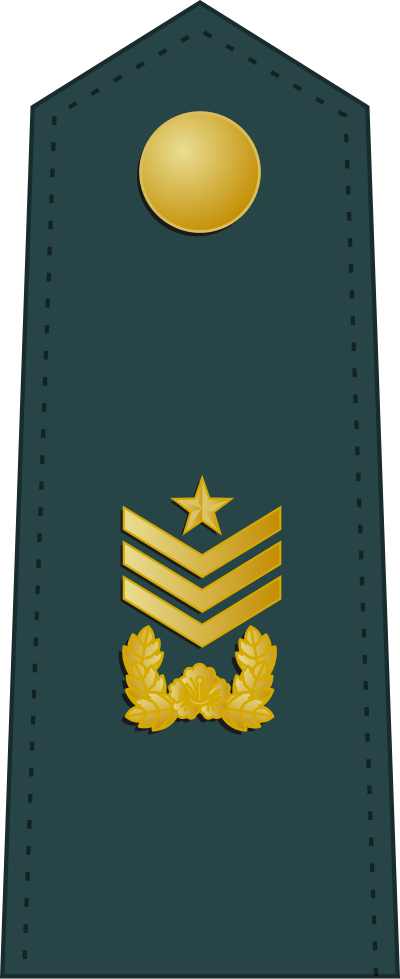 | Wonsa (원사) — Sergeant Major | OR-8 | The highest NCO grade; the battalion or regimental sergeant major who advises the commander on all enlisted matters. |
ROK Navy Ranks
The Republic of Korea Navy uses the same Korean rank titles and shoulder-board insignia as the Army and Air Force — but with one famous exception. On the dress uniform, Navy officers wear gold sleeve stripes in the Commonwealth style, similar to the British and American navies; on service, working, and combat uniforms, their insignia is the same as the equivalent Army or Air Force rank. The tables below show the Navy’s ranks from lowest to highest, using the dress-uniform sleeve insignia for officers.
| Insignia | Rank | NATO Code | Details |
|---|---|---|---|
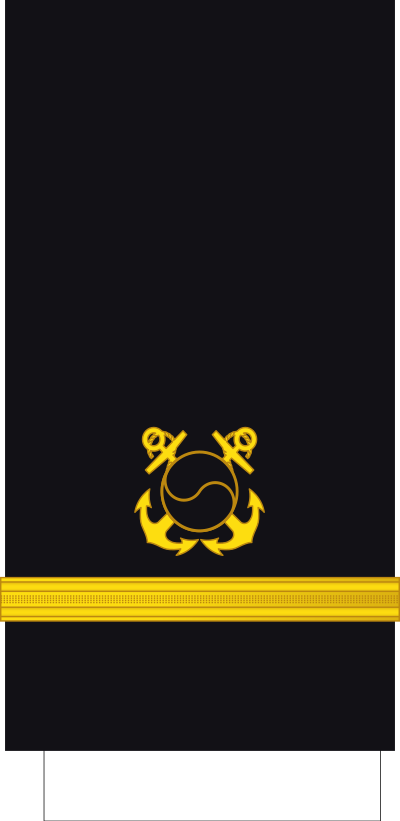 | Sowi (소위) — Ensign | OF-1 | Junior officer under training or serving as a division officer aboard ship. |
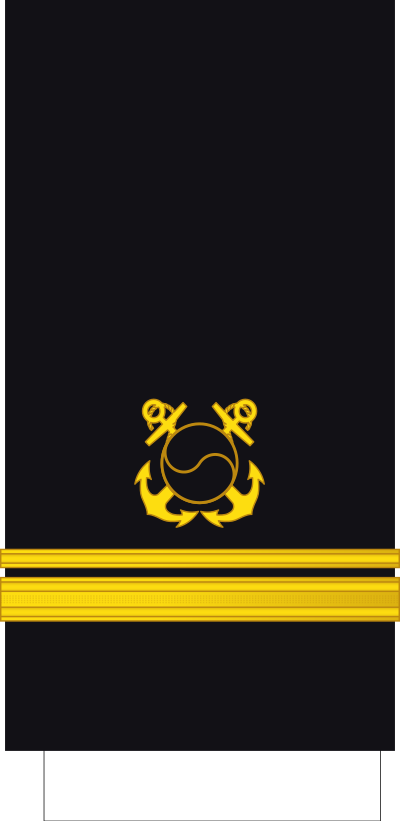 | Jungwi (중위) — Lieutenant Junior Grade | OF-1 | Stands watches and leads a shipboard division. |
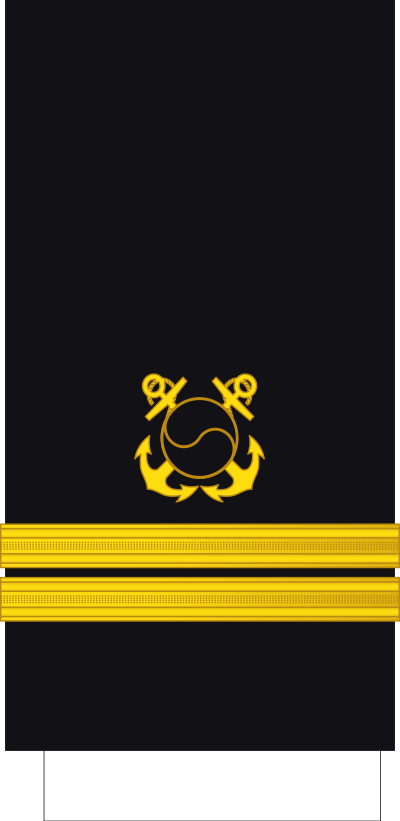 | Daewi (대위) — Lieutenant | OF-2 | Department head on a smaller vessel or senior watch officer. |
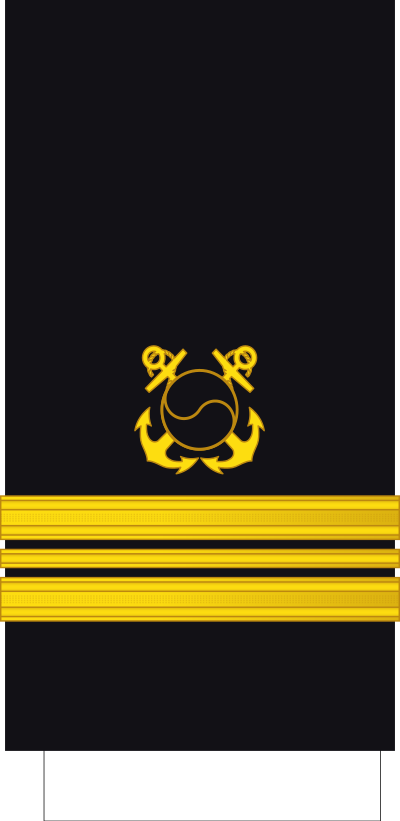 | Soryeong (소령) — Lieutenant Commander | OF-3 | Executive officer of a smaller ship or head of a department on a larger one. |
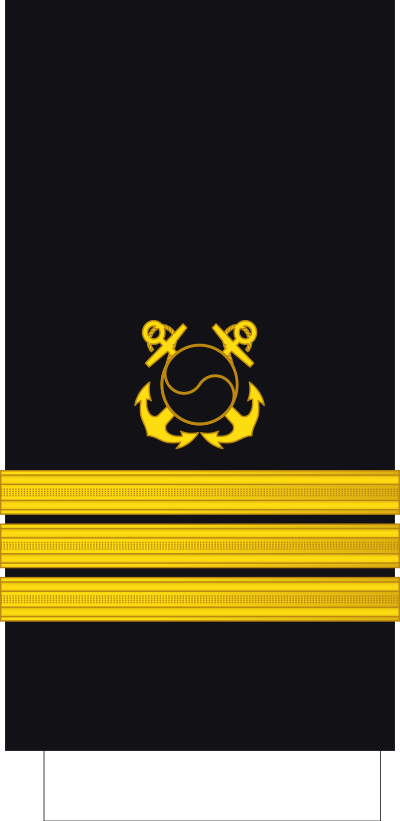 | Jungnyeong (중령) — Commander | OF-4 | Commands frigates, submarines, and patrol vessels. |
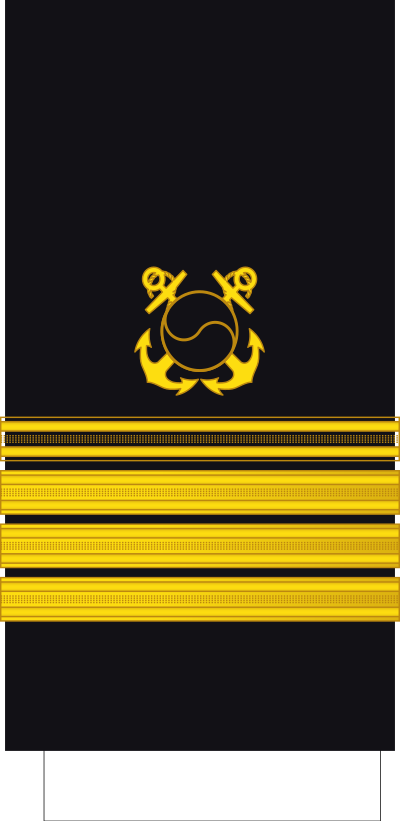 | Daeryeong (대령) — Captain | OF-5 | Commands destroyers and major shore installations. |
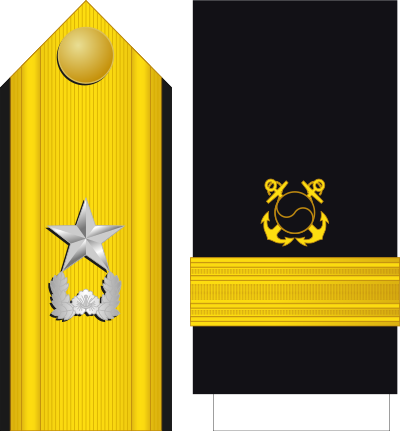 | Junjang (준장) — Rear Admiral (Lower Half) | OF-6 | One-star flag officer; commands a flotilla or major base. |
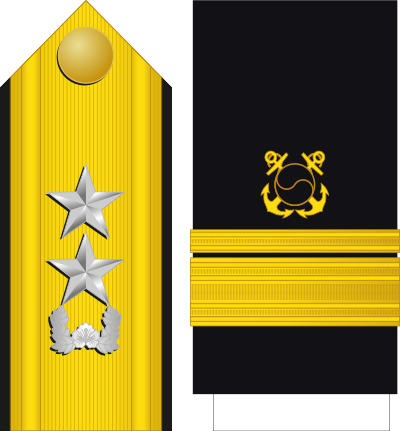 | Sojang (소장) — Rear Admiral (Upper Half) | OF-7 | Two-star flag officer in senior fleet and staff commands. |
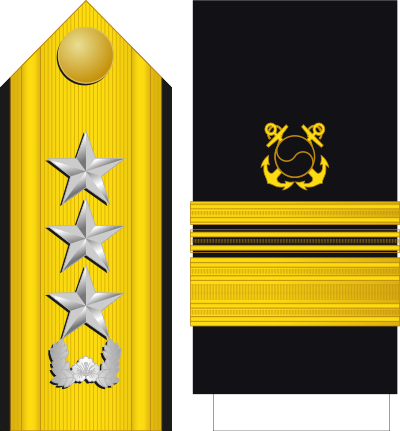 | Jungjang (중장) — Vice Admiral | OF-8 | Three-star rank; fleet commanders and top operational leaders. |
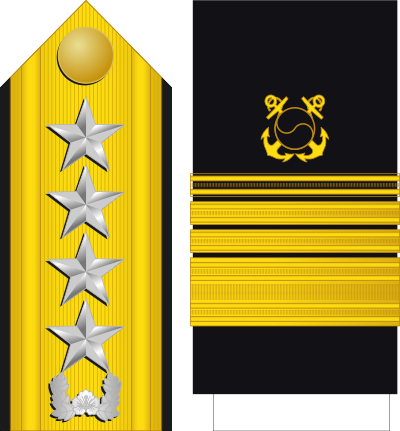 | Daejang (대장) — Admiral | OF-9 | Highest Navy rank, held by the Chief of Naval Operations. |
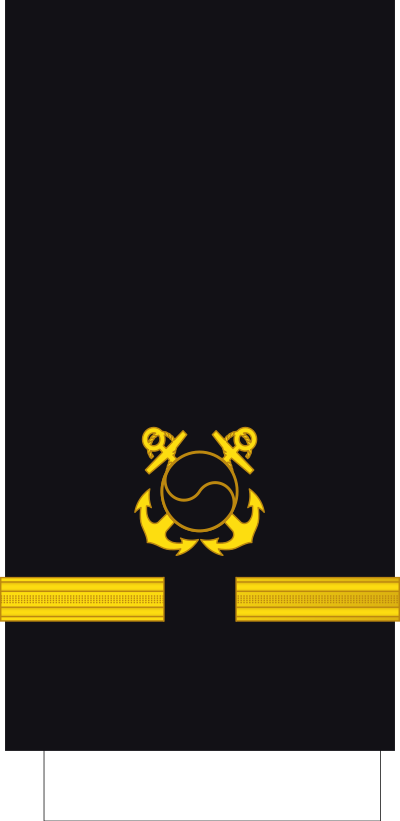 | Junwi (준위) — Warrant Officer | WO-1 | Single warrant grade; wears one broken sleeve stripe on the dress uniform. |
| Insignia | Rank | NATO Code | Details |
|---|---|---|---|
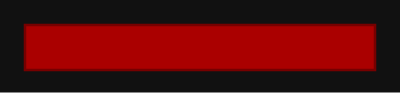 | Ideungbyeong (이등병) — Seaman Apprentice | OR-1 | Entry conscript sailor after recruit training. |
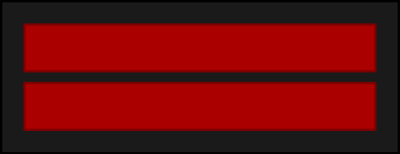 | Ildeungbyeong (일등병) — Seaman | OR-2 | Qualified junior sailor standing watches and working parties. |
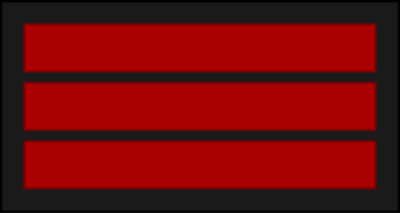 | Sangdeungbyeong (상등병) — Petty Officer 3rd Class | OR-3 | Senior conscript sailor with leadership duties in the division. |
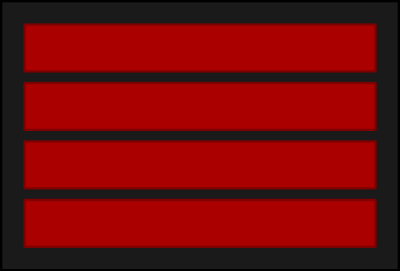 | Byeongjang (병장) — Petty Officer 2nd Class | OR-4 | Top conscript grade; leads work details and mentors juniors. |
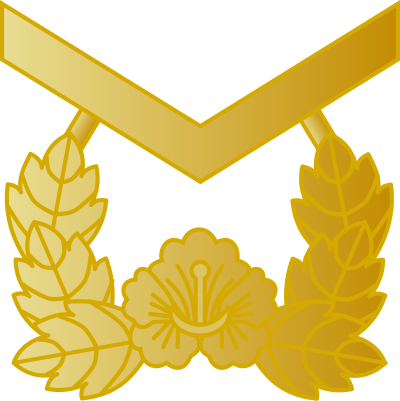 | Hasa (하사) — Petty Officer 1st Class | OR-5 | First career NCO grade; work-center supervisor and technical expert. |
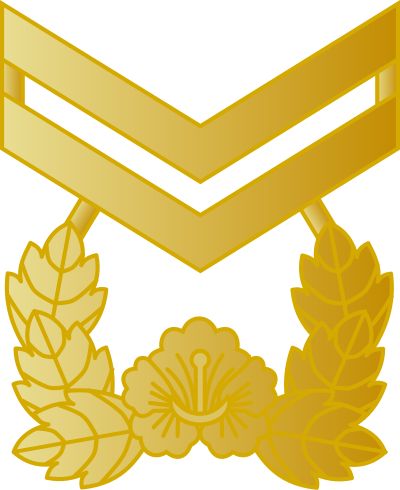 | Jungsa (중사) — Chief Petty Officer | OR-7 | Senior enlisted leader of a department or division. |
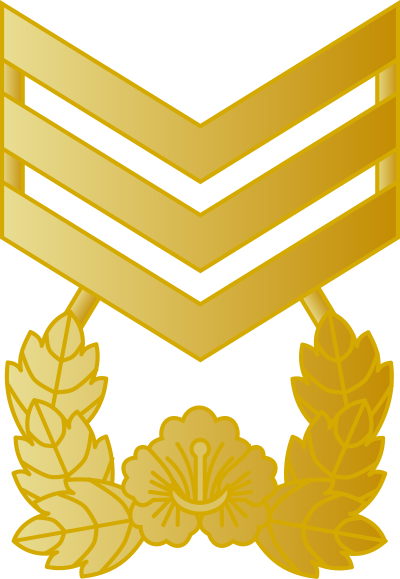 | Sangsa (상사) — Senior Chief Petty Officer | OR-8 | Senior technical and leadership authority aboard ship and ashore. |
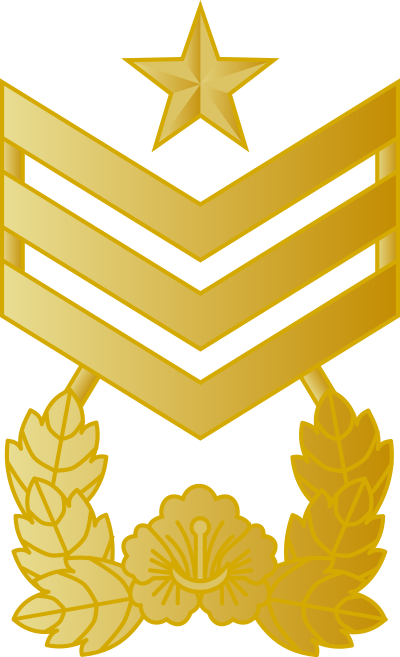 | Wonsa (원사) — Master Chief Petty Officer | OR-9 | Highest Navy enlisted grade; command master chief advising the commanding officer. |
ROK Air Force Ranks
The Republic of Korea Air Force mirrors the Army’s rank titles and insignia, with its own service identity in the uniform details. Officers rise from sowi to daejang through the same wigwan–yeonggwan–jangseong structure, while the enlisted track runs from ideungbyeong airman up to wonsa chief master sergeant.
| Insignia | Rank | NATO Code | Details |
|---|---|---|---|
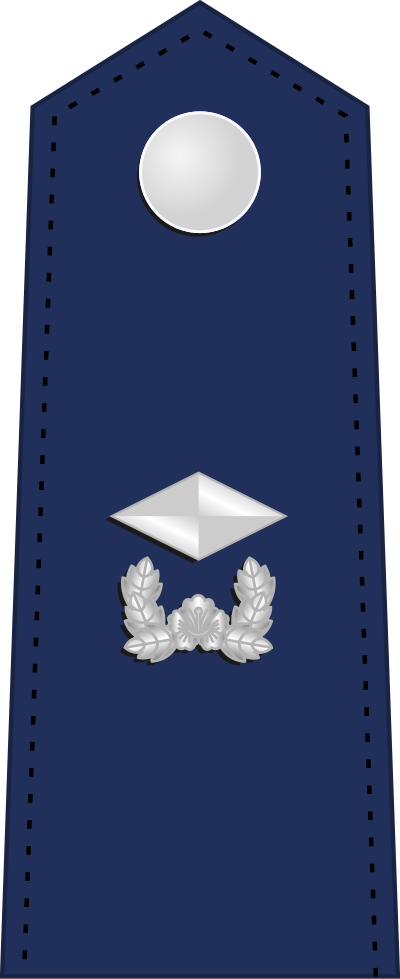 | Sowi (소위) — Second Lieutenant | OF-1 | Newly commissioned officer in flight or support duties. |
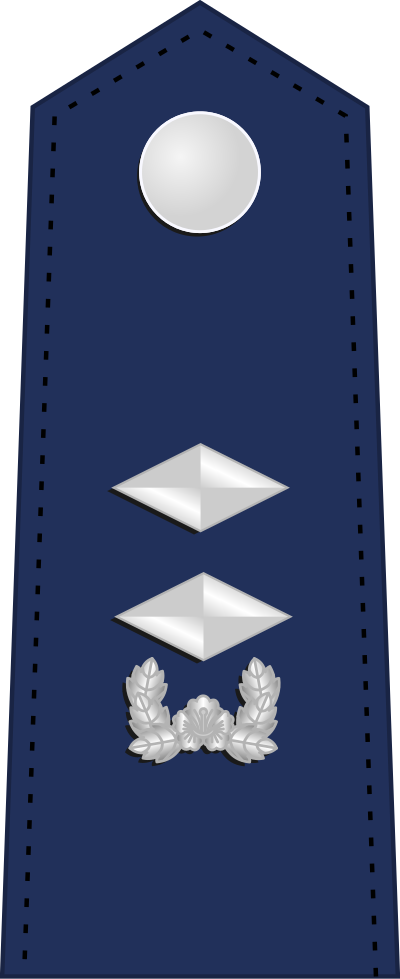 | Jungwi (중위) — First Lieutenant | OF-1 | Junior officer leading a section or flight element. |
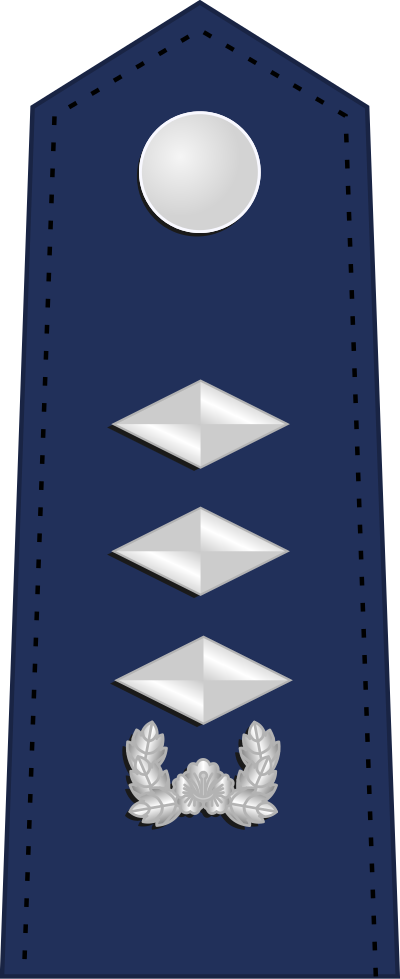 | Daewi (대위) — Captain | OF-2 | Flight commander or section chief. |
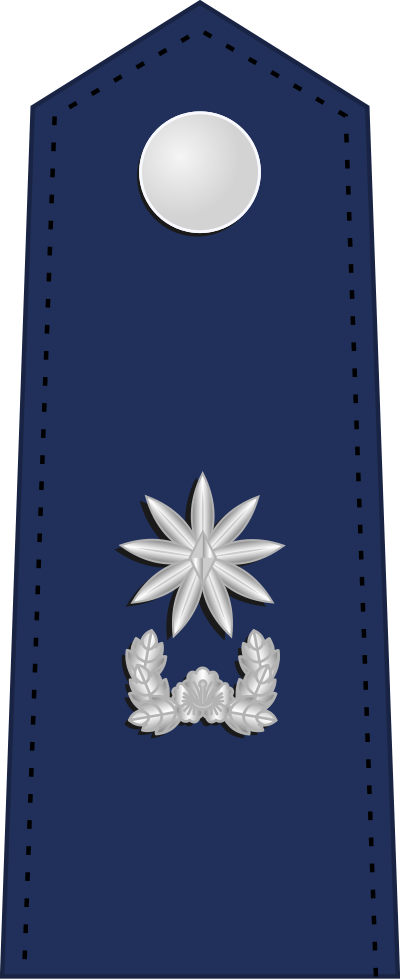 | Soryeong (소령) — Major | OF-3 | Squadron executive officer or wing staff officer. |
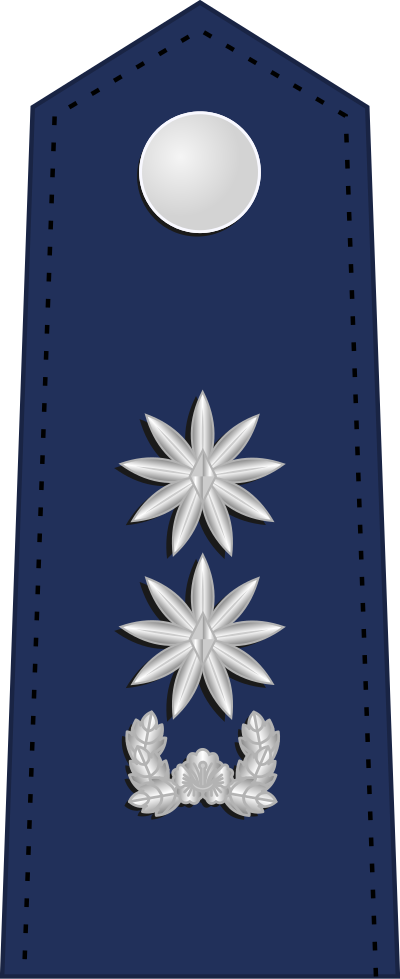 | Jungnyeong (중령) — Lieutenant Colonel | OF-4 | Squadron commander or group staff chief. |
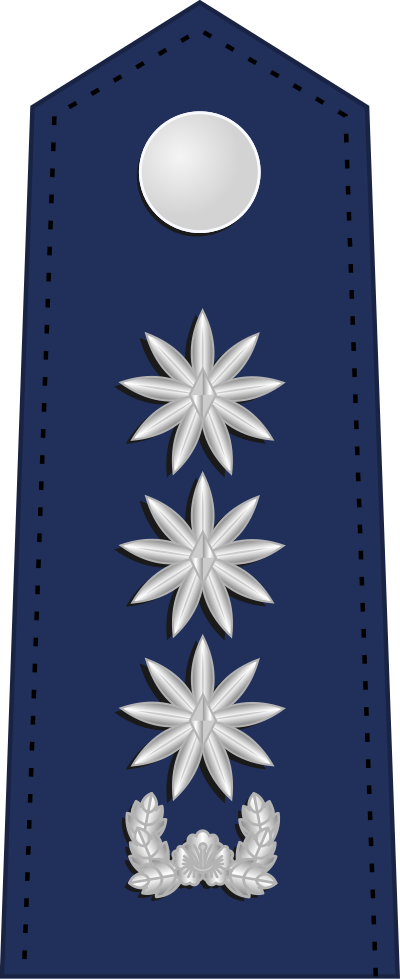 | Daeryeong (대령) — Colonel | OF-5 | Wing vice commander or group commander. |
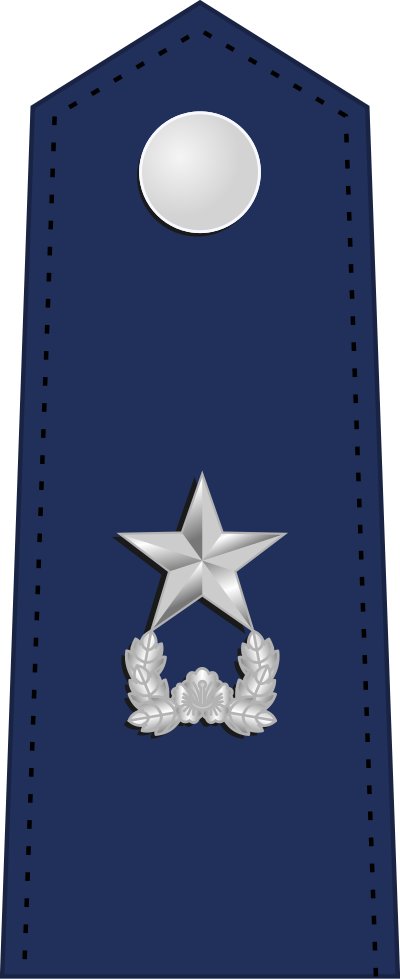 | Junjang (준장) — Brigadier General | OF-6 | Wing commander or senior staff appointment. |
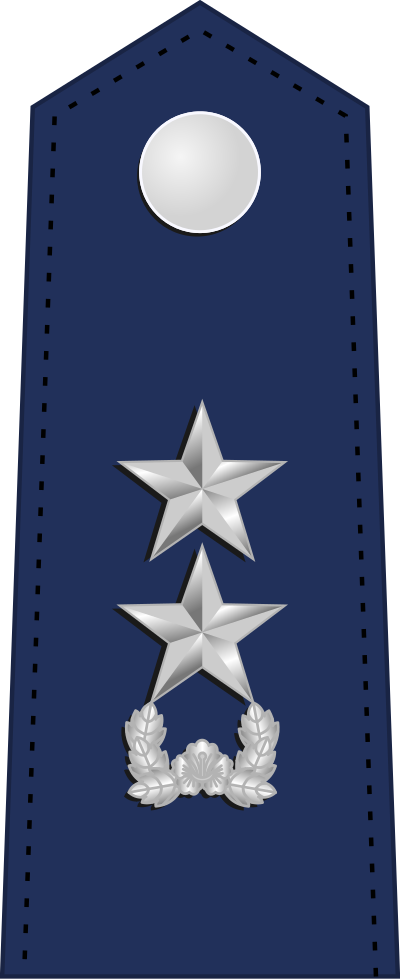 | Sojang (소장) — Major General | OF-7 | Commands a numbered air force or major functional command. |
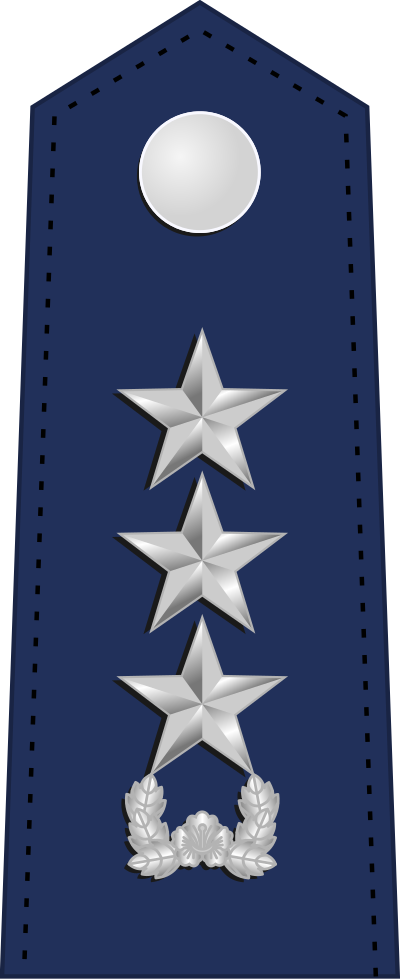 | Jungjang (중장) — Lieutenant General | OF-8 | Deputy chief of staff or major command leadership. |
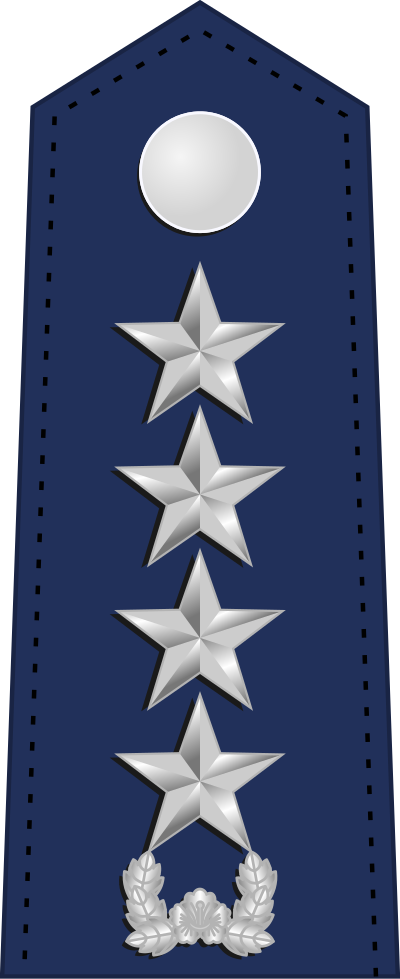 | Daejang (대장) — General | OF-9 | Chief of Staff of the Air Force. |
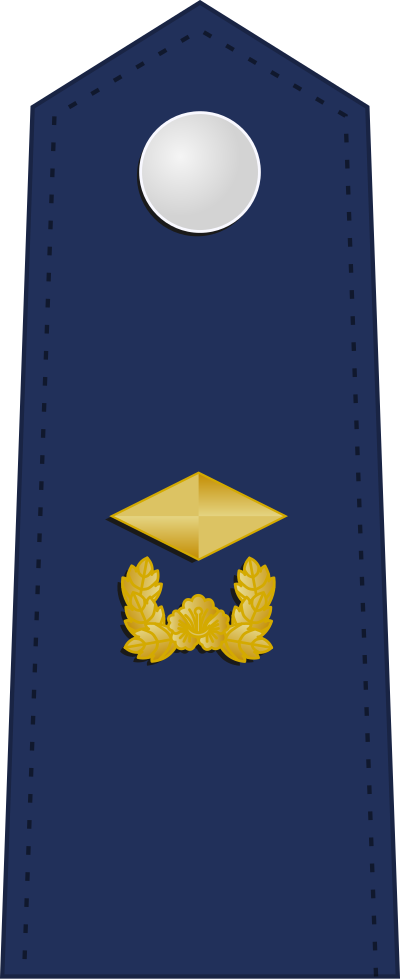 | Junwi (준위) — Warrant Officer | WO-1 | Single warrant grade for technical specialists. |
| Insignia | Rank | NATO Code | Details |
|---|---|---|---|
 | Ideungbyeong (이등병) — Airman | OR-1 | Entry conscript airman after basic training. |
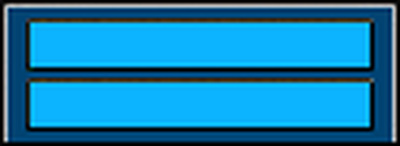 | Ildeungbyeong (일등병) — Airman First Class | OR-2 | Junior airman qualified in a specialty. |
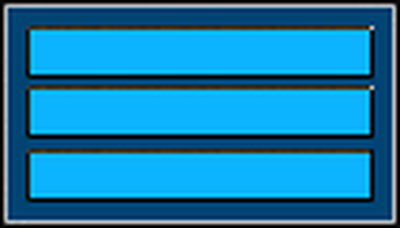 | Sangdeungbyeong (상등병) — Senior Airman | OR-3 | Experienced conscript guiding newer airmen. |
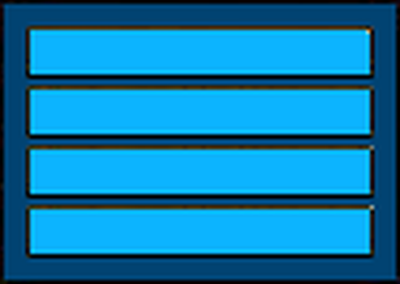 | Byeongjang (병장) — Sergeant | OR-4 | Top conscript grade; leads small teams in the final months of service. |
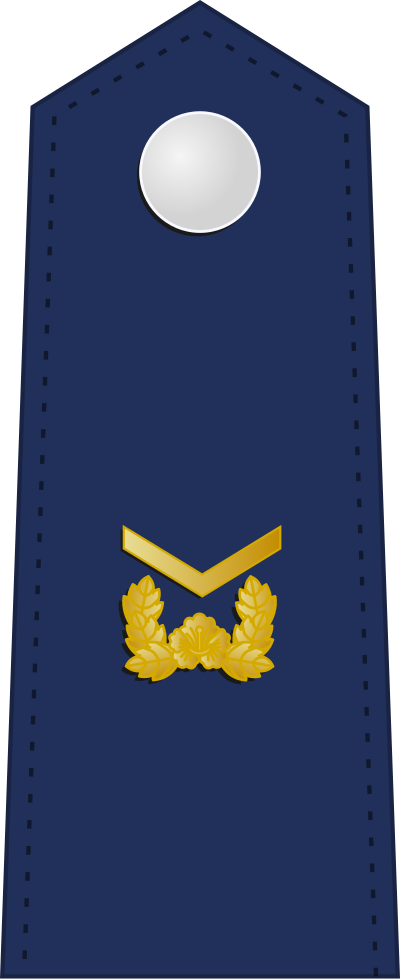 | Hasa (하사) — Staff Sergeant | OR-5 | First career NCO grade; shop and crew supervisor. |
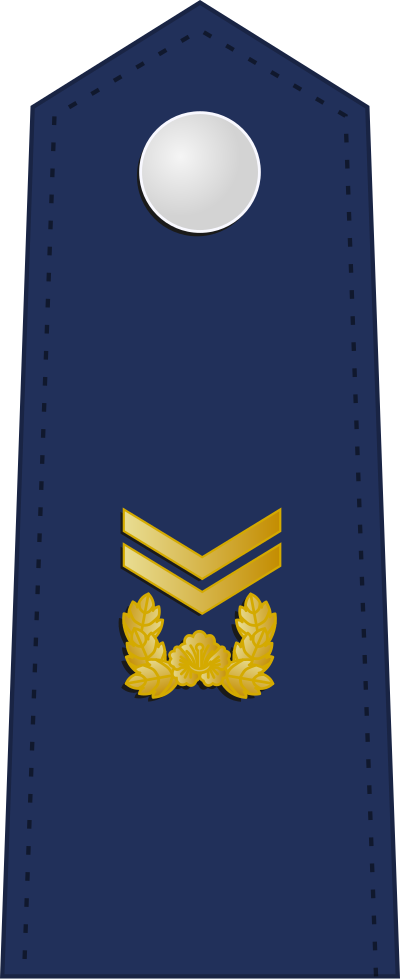 | Jungsa (중사) — Technical Sergeant | OR-7 | Senior technician and section NCO-in-charge. |
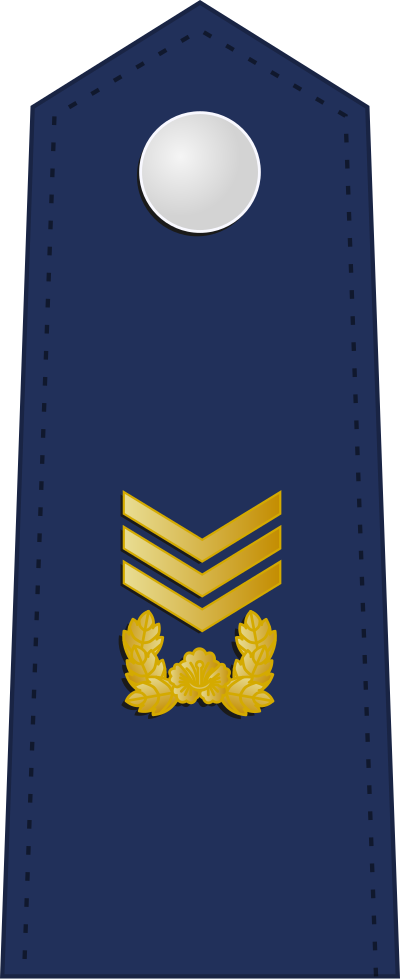 | Sangsa (상사) — Master Sergeant | OR-8 | Senior NCO advising officers on enlisted matters. |
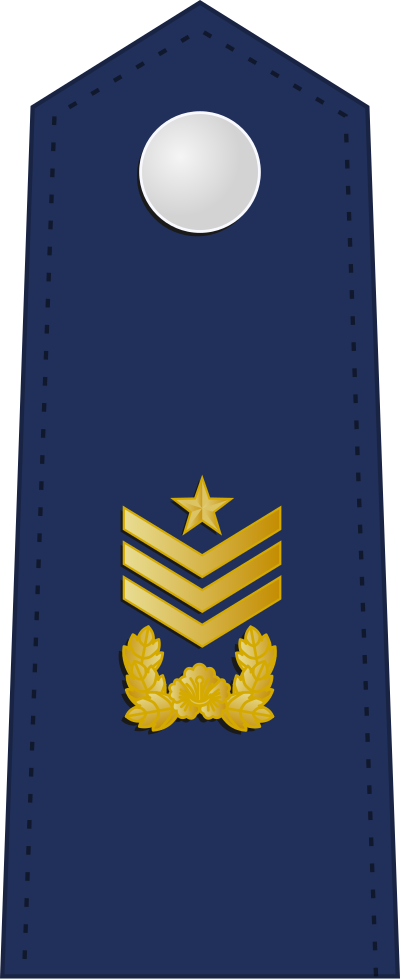 | Wonsa (원사) — Chief Master Sergeant | OR-9 | Highest Air Force enlisted grade; command chief enlisted leader. |
What Each Rank Actually Does
The Korean system divides authority cleanly by tier. Byeong (the conscript grades) do the hands-on work: standing guard, maintaining equipment, driving, and filling the ranks of infantry squads, ship crews, and airbase sections. A byeongjang — the senior conscript — may run a squad day-to-day, but always under NCO supervision. NCOs are the trainers and first-line leaders: a hasa teaches new conscripts their jobs and leads a squad, a jungsa or sangsa runs a platoon or company section, and a wonsa is the commander’s enlisted conscience at battalion level and above. Officers hold command authority and legal responsibility: a daewi commands a company, a jungnyeong a battalion, a sojang a division, and a daejang a field army or the entire service. The junwi stands apart as the specialist whose rank comes from expertise rather than command — the pilot, engineer, or administrator everyone consults when the manual runs out.
How Promotion Works
Promotion in the ROK Armed Forces runs on three different logics depending on the track. For conscripts, advancement through the byeong grades is largely automatic with time in service — a soldier moves from ideungbyeong to ildeungbyeong to sangdeungbyeong to byeongjang over the course of the 18–21 month term, provided there are no serious disciplinary problems. Almost every conscript who completes the full term leaves as a byeongjang. For NCOs, who are volunteers serving longer terms, promotion combines minimum time-in-grade with examinations, performance evaluations, and selection boards; only the strongest hasa become jungsa, and fewer still reach sangsa and wonsa. Officers promote from sowi to jungwi to daewi largely on time-in-grade in the early years, but from soryeong upward promotion becomes competitive, decided by selection boards weighing command performance, education, and record — and the general-officer grades are reserved for a small elite chosen at the highest levels. A conscript who shows exceptional promise can volunteer for NCO training, and senior NCOs with specialist qualifications can be selected for junwi — so the tracks connect, even if most people stay in the lane they entered.
Reading ROK Insignia: Mugunghwa, Lozenges, and Stars
Korean rank insignia rewards a close look. Junior officers wear lozenge (diamond) devices — one for sowi, two for jungwi, three for daewi — said to symbolize the unbreakable resolve of a new officer. Field officers carry bamboo-leaf motifs, evoking the evergreen fidelity expected of senior leaders. General officers wear stars, from one for junjang to four for daejang, on broad shoulder boards. The most distinctively Korean touch belongs to the NCOs: since a 1996 revision, NCO insignia places the Mugunghwa — the rose of Sharon, Korea’s national flower — beneath the chevrons, a deliberate change made to give NCOs pride and an insignia closer in dignity to the officers’. The junwi’s badge is a gold version of the sowi lozenge, marking the warrant officer as kin to the officer corps while remaining a separate, specialist grade. On the Navy’s dress uniform, look instead for the gold sleeve stripes in the Commonwealth style — the number and width of stripes read the officer’s rank at a glance, exactly as in the British and American navies.
Frequently Asked Questions
How long is mandatory military service in South Korea?
Currently 18 months in the Army or Marine Corps, 20 months in the Navy, and 21 months in the Air Force. All able-bodied men between 18 and 28 must serve; after discharge they join the reserves with annual refresher training.
What is the difference between a byeong and an NCO?
Byeong (ideungbyeong through byeongjang) are conscript grades filled by draftees serving their mandatory term. NCOs (hasa through wonsa) are volunteers who serve longer, career terms as squad leaders, trainers, and technical specialists.
What is a junwi?
Junwi (준위) is South Korea’s single warrant officer rank, sitting between NCOs and commissioned officers. Junwi are technical specialists — in aviation, maintenance, or administration — promoted from the senior NCO ranks for proven expertise.
What is the highest rank in the South Korean military?
The highest active rank is daejang — General in the Army and Air Force, Admiral in the Navy — held by the service chiefs and the Chairman of the Joint Chiefs of Staff. Above it sits the honorary five-star rank of wonsu (marshal), which no serving officer holds.
Why do South Korean ranks look like American ranks?
Because they were deliberately modeled that way. Decades of close military cooperation with the United States — including the presence of US Forces Korea — inspired the ROK rank structure, which is why the grades map so neatly onto US equivalents.
Image credits: Officer, warrant officer, and Army/Navy enlisted insignia by Skjoldbro and SpinnerLaserzthe2nd via Wikimedia Commons under CC BY-SA 4.0; ROK Air Force junior enlisted images in the public domain.