The French Armed Forces (Forces armées françaises) use one of the oldest and most distinctive rank systems in the world — a system that shaped the military hierarchies of dozens of countries, from Francophone Africa to South America. Yet French ranks are full of surprises for outsiders: there is no “brigadier general” (the one-star rank is général de brigade), the word major belongs to a senior non-commissioned officer rather than an officer, and officer cadets hold a genuine rank — aspirant — while they serve in units. This complete 2026 guide lists every French military rank in order for the Army (Armée de terre), the Navy (Marine nationale), and the Air and Space Force (Armée de l’air et de l’espace), with insignia images, plain-English explanations of what each rank does, how promotion works, and answers to the most common questions.
France’s three services share the same NATO rank codes (OF-1 to OF-10 for officers, OR-1 to OR-9 for other ranks) but express them in very different traditions. The Army and Air Force wear their grades as chevrons, braids and stars on shoulder boards and chest tabs, while the Navy uses gold sleeve stripes in the classic naval fashion. Below are the full rank tables for each service, followed by guides to the quirks that make the French system unique, promotion paths, and FAQs.
French Army Officer Ranks
Army officers (officiers) are trained principally at the École spéciale militaire de Saint-Cyr, the French equivalent of Sandhurst or West Point, and enter service as sous-lieutenants after two to three years of study. Before commissioning, cadets serving in operational units hold the rank of aspirant — a real, paid grade (NATO OF-D) unique to the French system. The table below lists every Army officer rank from lowest to highest, with its shoulder-board insignia, NATO code, and typical role. Army insignia is shown here in the standard dress pattern; note the file captions — troupes de marine and chasseurs variants differ slightly in braid colour.
| Insignia | Rank | NATO Code | Details |
|---|---|---|---|
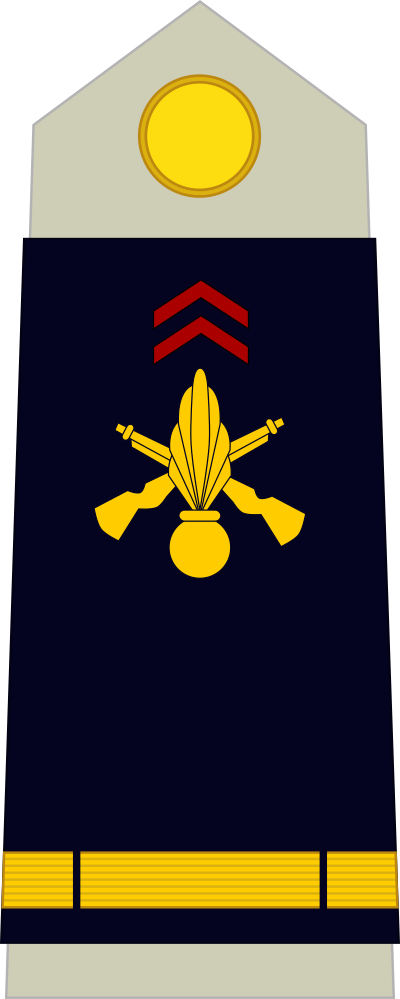 | Aspirant | OF(D) | Officer cadet serving with a regiment or at Saint-Cyr before commissioning; the distinctive French “in-between” grade with a single thin braid. |
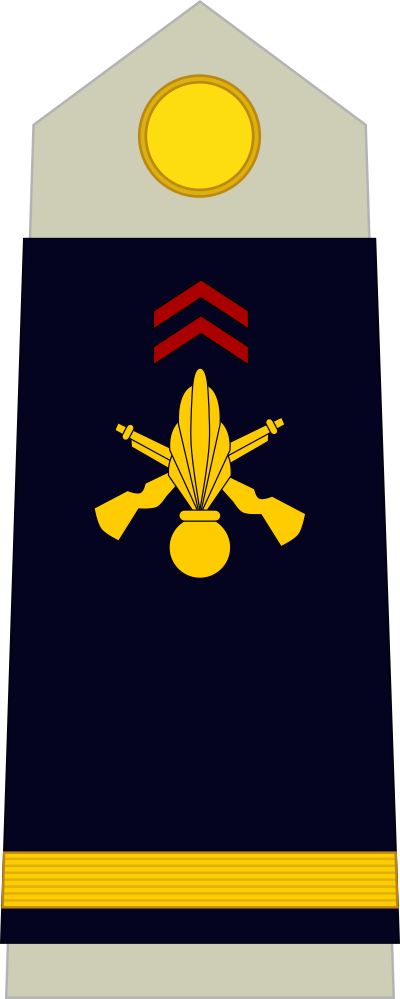 | Sous-lieutenant | OF-1 | First commissioned rank; leads a section (platoon) of around 30 soldiers. |
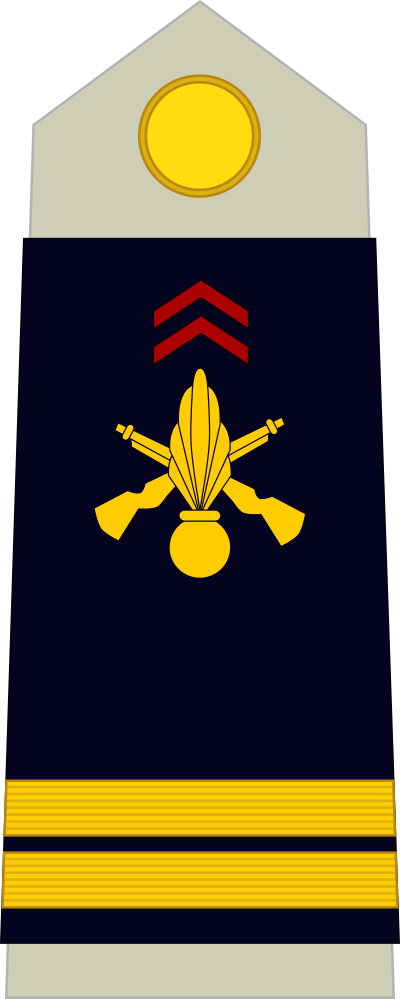 | Lieutenant | OF-1 | Experienced platoon leader or junior staff officer; often second-in-command of a company. |
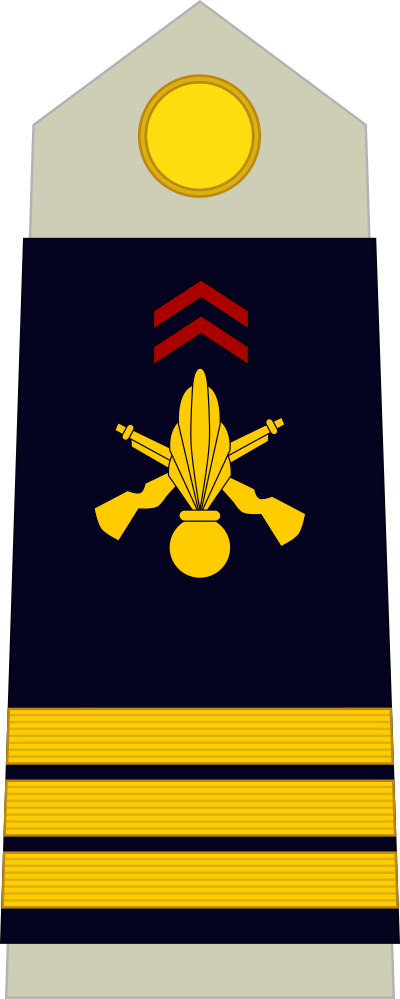 | Capitaine | OF-2 | Commands a company, squadron or battery of 100–150 soldiers; the classic company commander of the French Army. |
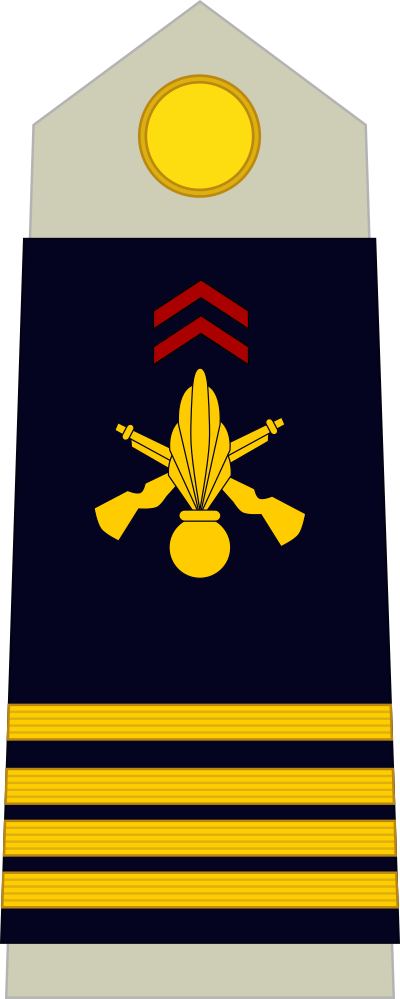 | Commandant | OF-3 | Senior company commander or battalion executive officer. Called chef de bataillon in the infantry, chef d’escadrons in the cavalry and chef d’escadron in the artillery — the French equivalent of a major. |
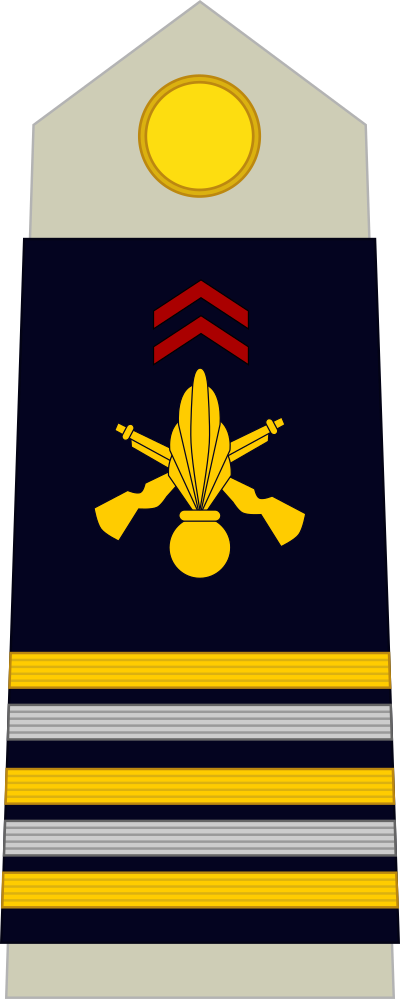 | Lieutenant-colonel | OF-4 | Battalion second-in-command or regimental chief of staff; deputises for the colonel. |
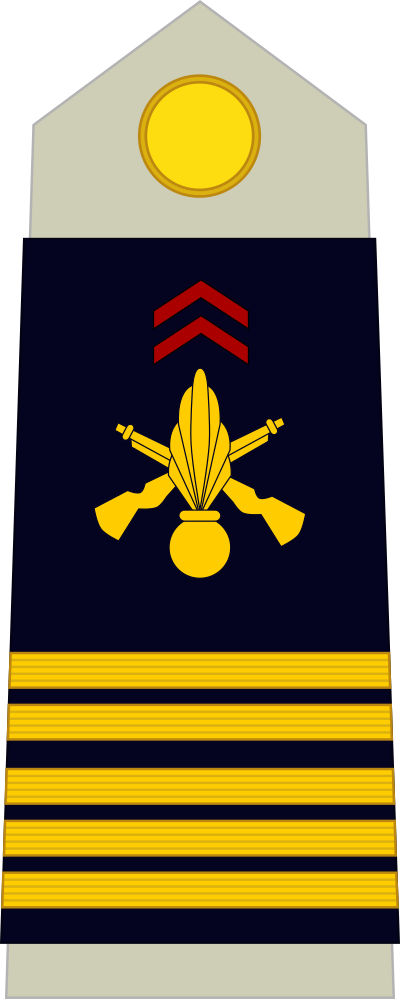 | Colonel | OF-5 | Commands a regiment of roughly 800–1,000 soldiers; the senior field rank of the Army. |
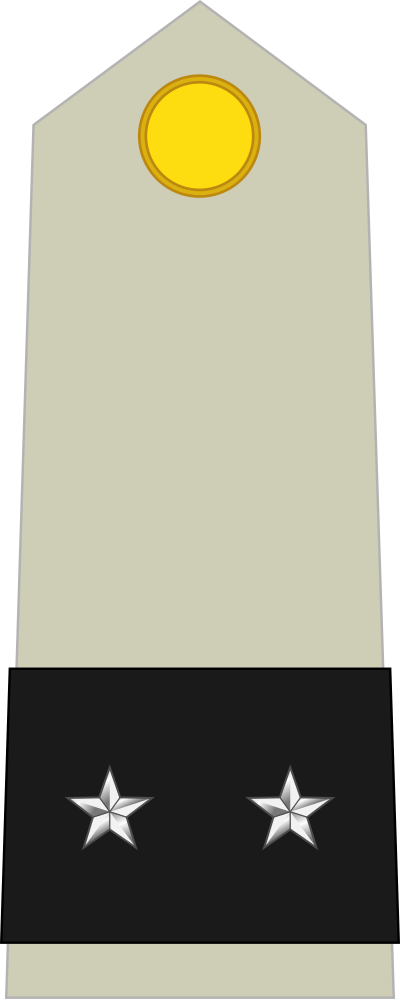 | Général de brigade | OF-6 | First general-officer rank — France has no “brigadier general”; commands a brigade. |
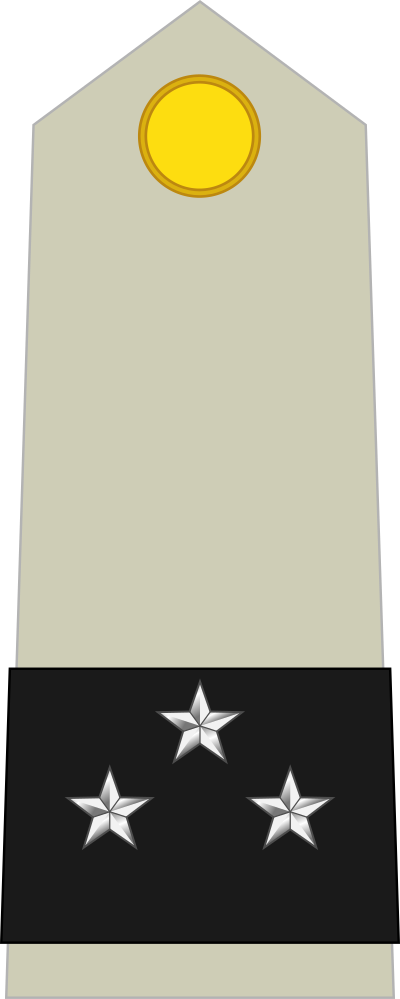 | Général de division | OF-7 | Commands a division; also holds senior joint-staff appointments. |
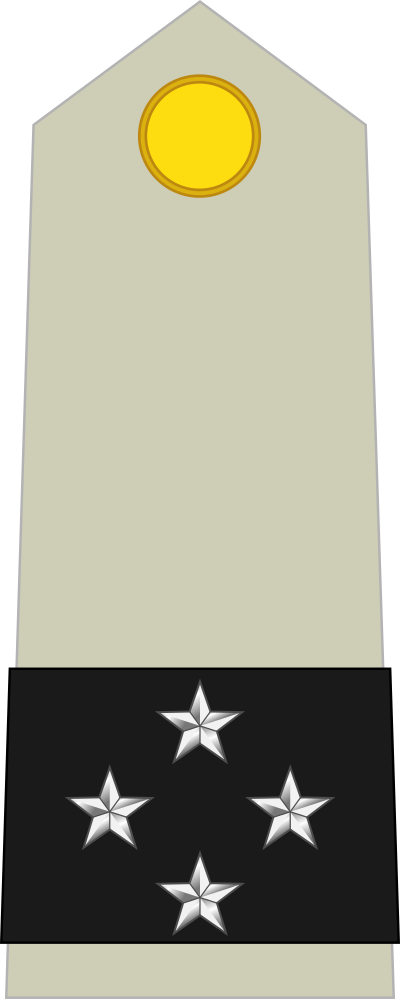 | Général de corps d’armée | OF-8 | Commands an army corps or a major territorial command. |
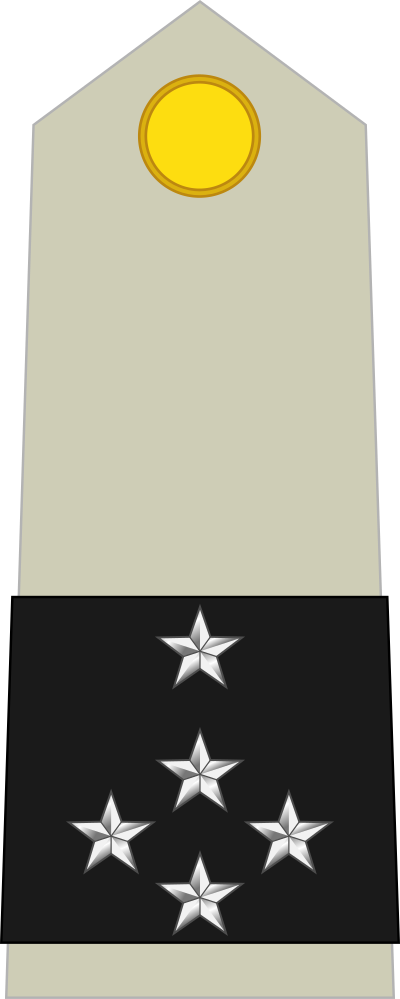 | Général d’armée | OF-9 | Highest active rank in the Army — held by the Chief of the Defence Staff (chef d’état-major des armées) among a handful of top commanders. |
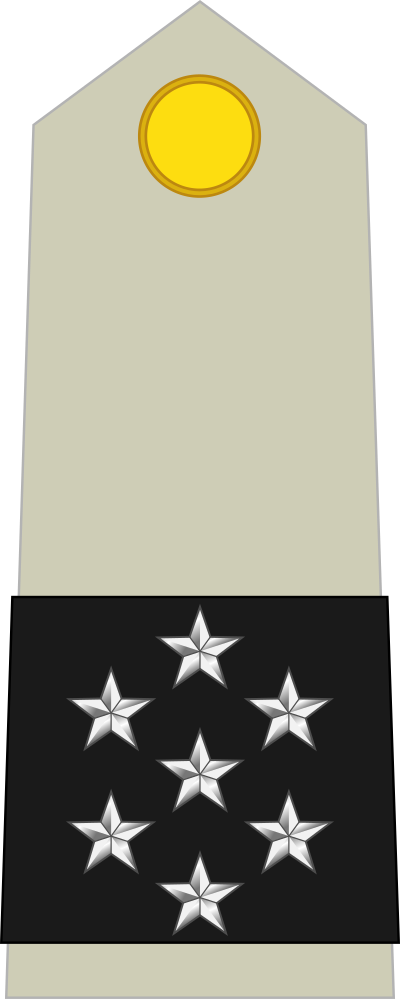 Maréchal de France (Marshal of France) is not an active rank but an honorary dignity of the state (NATO OF-10), awarded for exceptional wartime service. Its insignia carries seven stars — more than any serving general, since a général d’armée wears five. The dignity is currently vacant; it was last conferred posthumously on Pierre Kœnig in 1984. Officer cadets in their first years at Saint-Cyr also hold the grade of élève officier before becoming aspirants.
French Army NCOs and Enlisted Ranks
The Army’s other ranks are divided into sous-officiers (non-commissioned officers, from sergent upward) and militaires du rang (enlisted soldiers). NCOs are trained at the ENSOA (École nationale des sous-officiers d’active) at Saint-Maixent, and the corps includes one of the French system’s most famous quirks: major is the most senior NCO grade (OR-9), not an officer rank. A September 2022 reform also created the sergent-chef BM2 grade for NCOs qualified as platoon leaders. Note the arm-specific titles below: cavalry, artillery and train units say brigadier where the infantry says caporal, and maréchal-des-logis where the infantry says sergent.
| Insignia | Rank | NATO Code | Details |
|---|---|---|---|
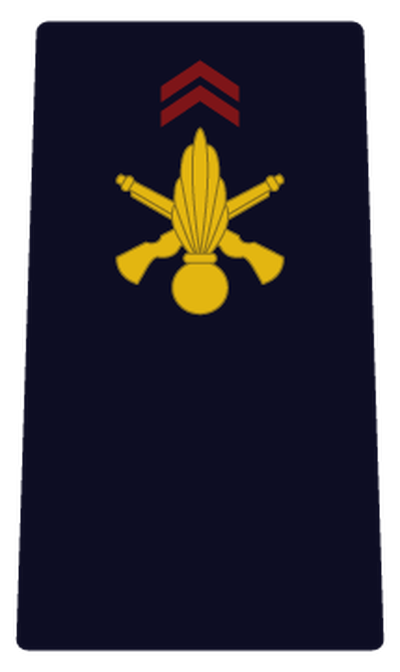 | Soldat de 2e classe | OR-1 | New recruit in basic training; wears no rank insignia. |
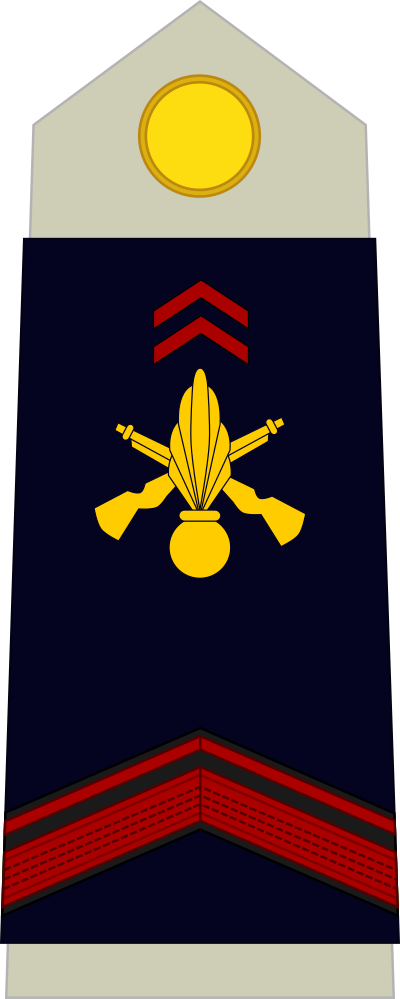 | Soldat de 1re classe | OR-2 | Trained private wearing a single chevron; the backbone of every section. |
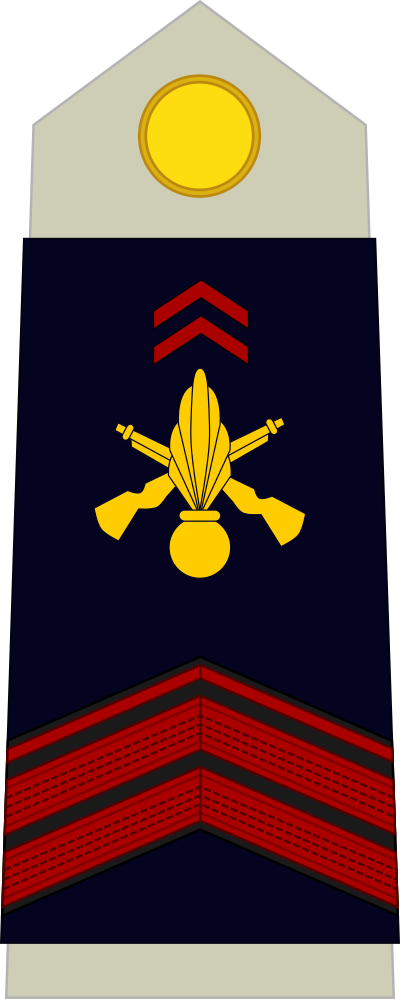 | Caporal / Brigadier | OR-3 | Leads a fire team of three or four soldiers; called brigadier in the cavalry, artillery, train and matériel arms. |
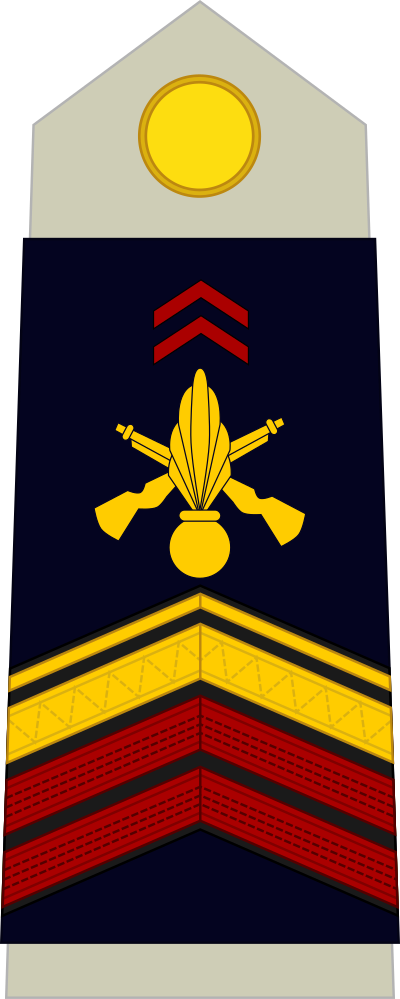 | Caporal-chef / Brigadier-chef | OR-4 | Senior corporal; deputy group leader and mentor to younger soldiers. |
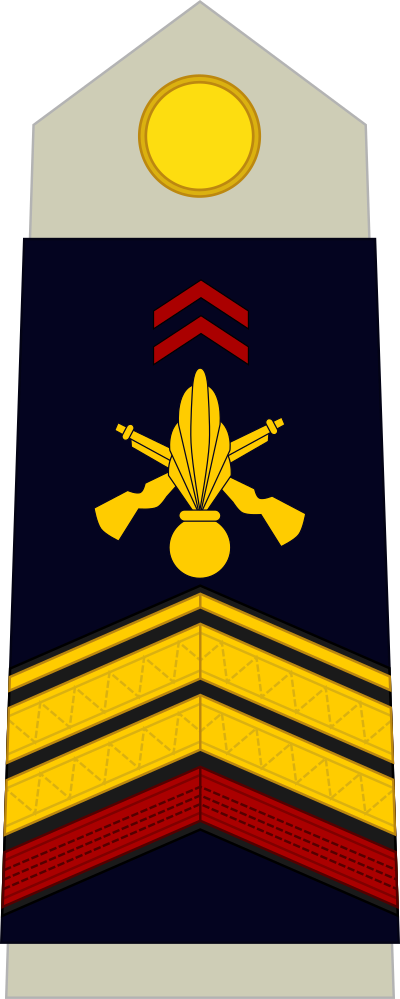 | Caporal-chef de 1re classe | OR-4 | Long-service distinction for caporaux-chefs with at least eleven years of service; the senior enlisted grade. |
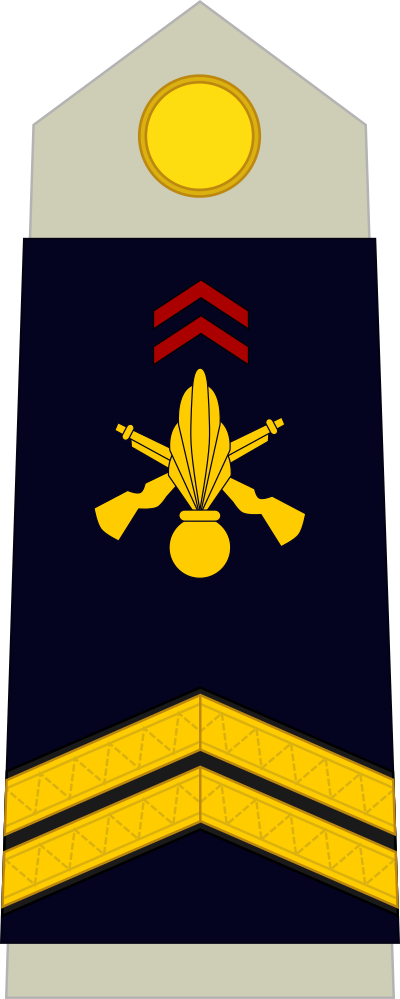 | Sergent | OR-5 | First NCO rank — commands a group (squad) of about ten soldiers; typically a graduate of the ENSOA school at Saint-Maixent. |
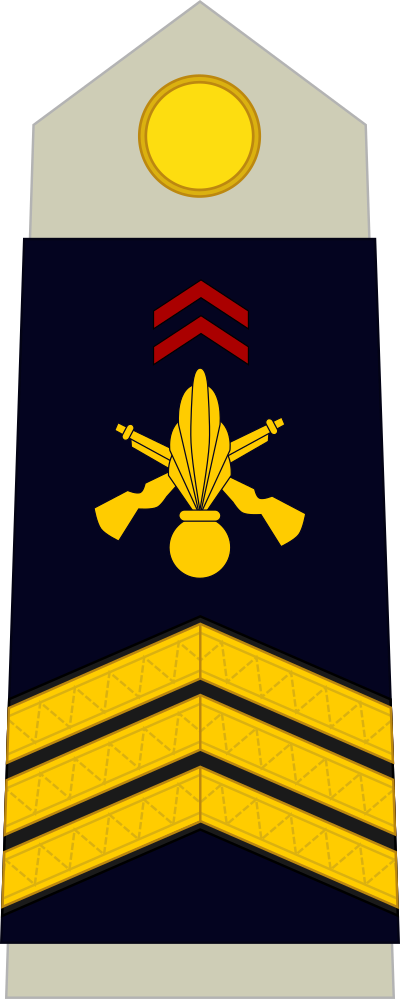 | Sergent-chef / Maréchal-des-logis-chef | OR-6 | Platoon second-in-command; addressed simply as “chef“. |
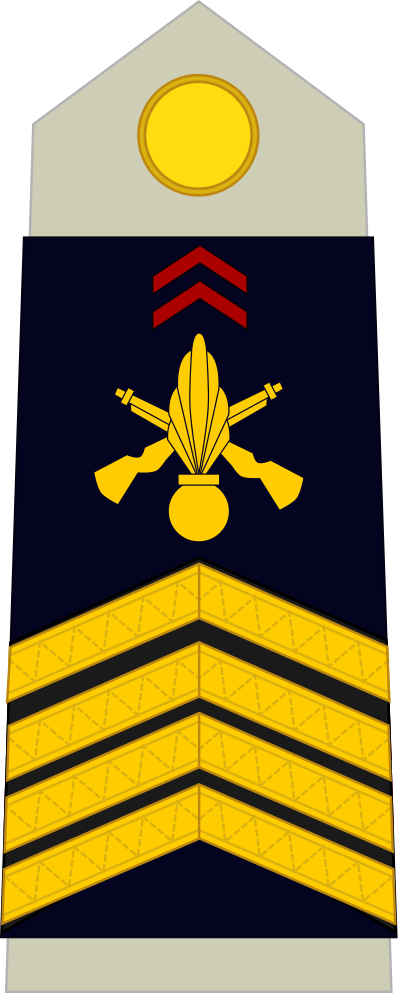 | Sergent-chef BM2 / Maréchal-des-logis-chef BM2 | OR-7 | NCO qualified (brevet militaire de 2e niveau) to lead a platoon; introduced in the September 2022 NCO reform. |
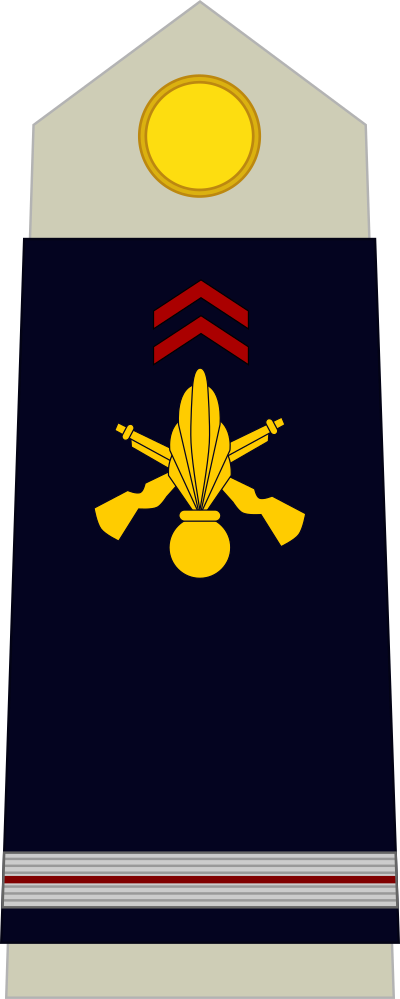 | Adjudant | OR-8 | Senior NCO handling company administration and discipline; the company’s institutional memory. |
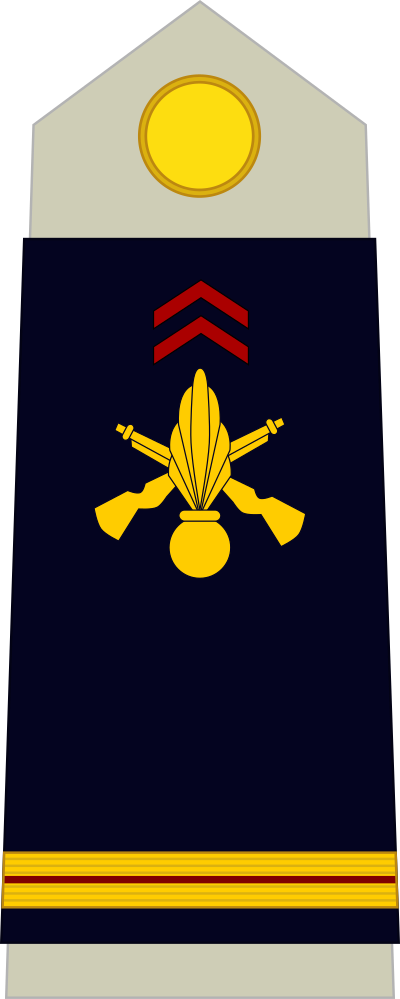 | Adjudant-chef | OR-9 | Often entrusted with a lieutenant’s responsibilities; the senior deputy to a unit’s officers. |
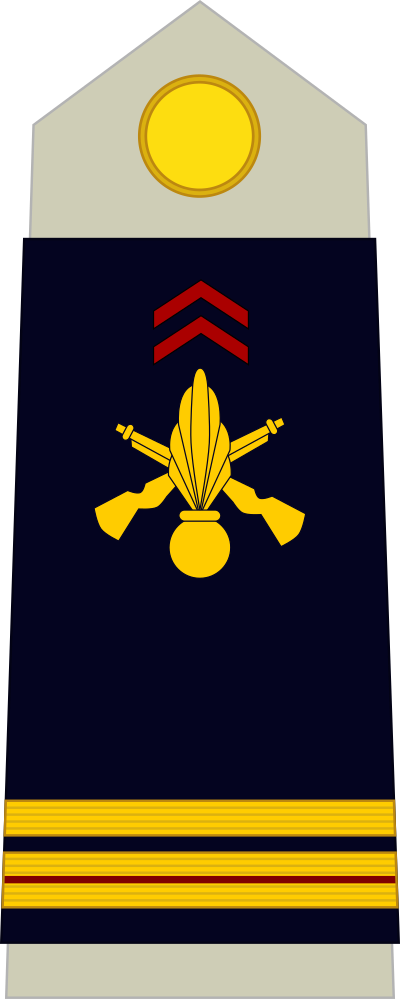 | Major | OR-9 | The most senior NCO in the French Army — typically at least one per regiment — and principal adviser to the commanding officer on enlisted matters. Remember: in France, major is not an officer rank. |
French Navy Officer Ranks
The Marine nationale uses an entirely separate rank vocabulary inherited from the age of sail, and its officers are trained at the École navale at Lanvéoc. Naval rank is read from gold stripes on the sleeve (shown in the table), with shoulder boards worn on other uniforms. Flag officers have their own historic titles — there is no French “rear admiral”, only contre-amiral — and the OF-8 grade, vice-amiral d’escadre, is both a rank and an appointment to squadron command.
| Insignia | Rank | NATO Code | Details |
|---|---|---|---|
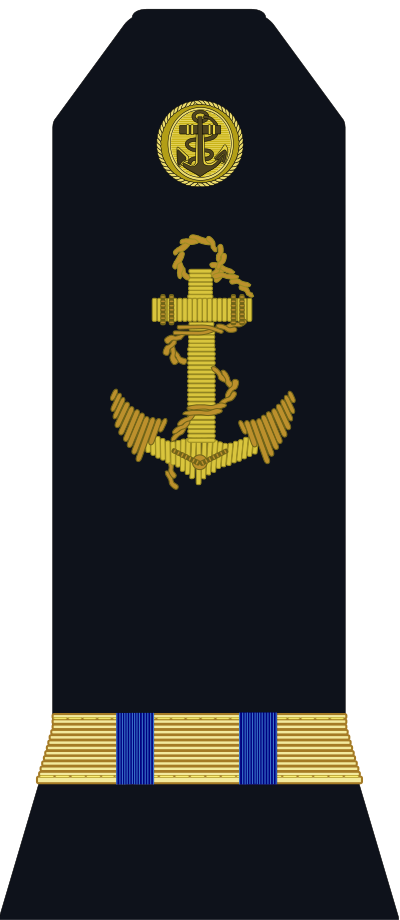 | Aspirant | OF(D) | Naval officer cadet serving at sea before commissioning. |
 | Enseigne de vaisseau de 2e classe | OF-1 | Junior division officer aboard ship; the Navy’s first commissioned grade. |
 | Enseigne de vaisseau de 1re classe | OF-1 | Division officer with greater responsibility; stands bridge and departmental watches. |
 | Lieutenant de vaisseau | OF-2 | Department head or senior watchkeeper on a warship. |
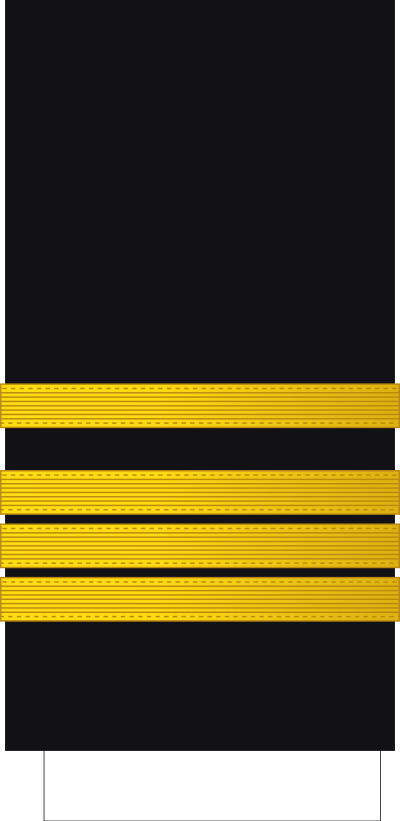 | Capitaine de corvette | OF-3 | Executive officer of smaller vessels; heads a department on major warships. |
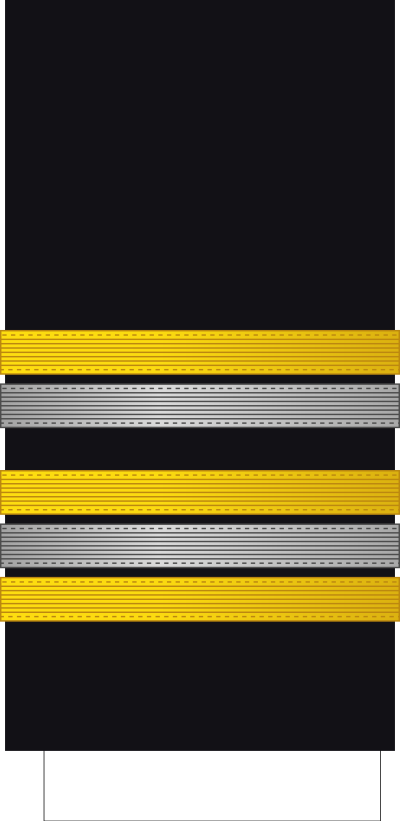 | Capitaine de frégate | OF-4 | Commands patrol vessels and submarines; executive officer of frigates and destroyers. |
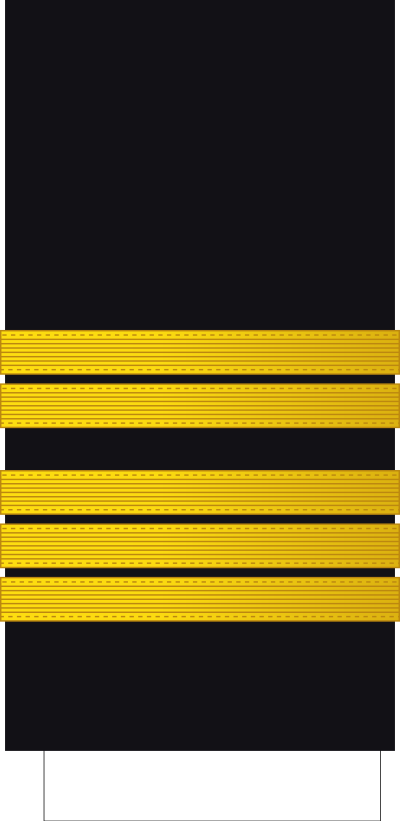 | Capitaine de vaisseau | OF-5 | Commands frigates, destroyers and the aircraft carrier Charles de Gaulle. |
 | Contre-amiral | OF-6 | One-star flag officer commanding a naval flotilla or major base. |
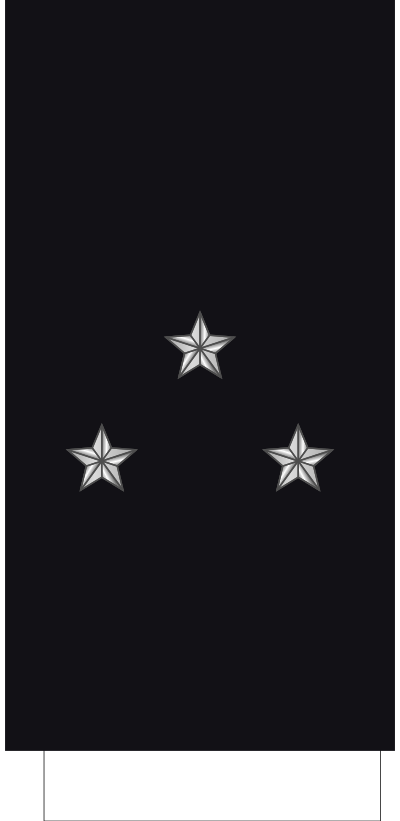 | Vice-amiral | OF-7 | Holds senior operational and Ministry of the Armed Forces appointments. |
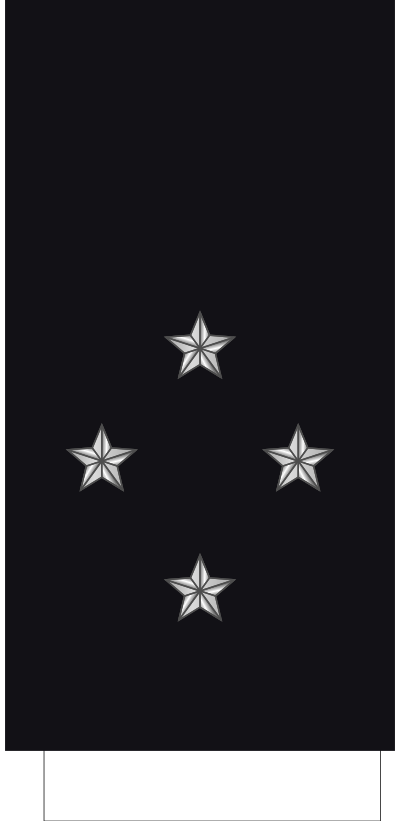 | Vice-amiral d’escadre | OF-8 | Rank and appointment combined — commands a naval squadron or maritime force. |
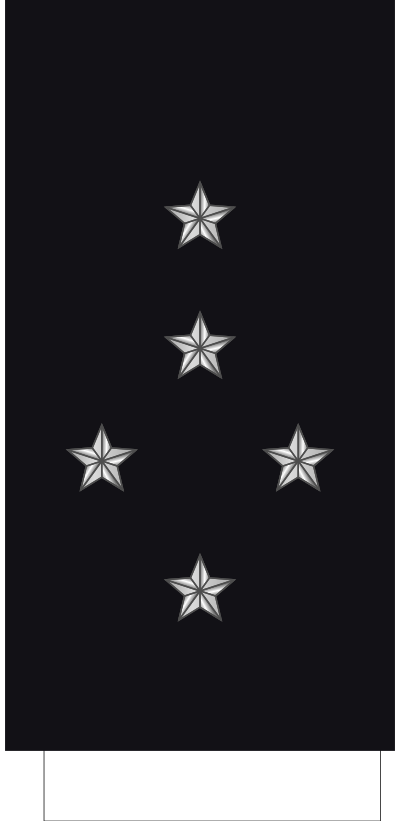 | Amiral | OF-9 | Highest active naval rank; held by the Chief of the Naval Staff (chef d’état-major de la Marine). |
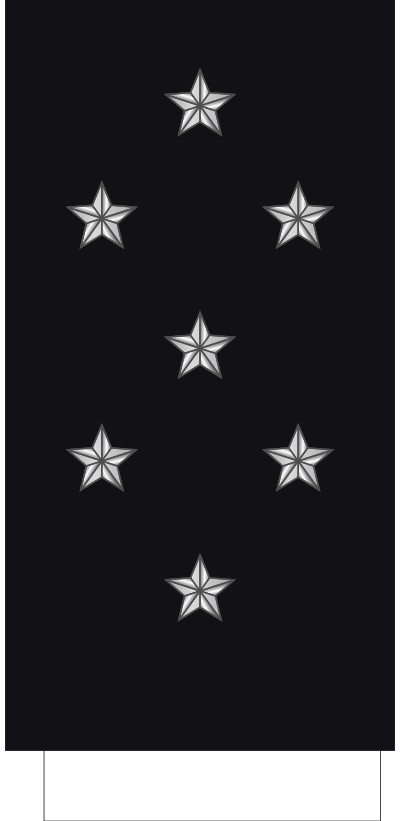 Amiral de France (Admiral of France) is the naval equivalent of Maréchal de France — an honorary dignity (NATO OF-10), not an active rank. Its sleeve insignia carries the broadest bands of all. Particular naval specialities wear distinctive touches on their stripes: medical officers, for example, bear red stripes, and engineers pearl-grey ones.
French Navy Sailors and Petty Officers
The Navy’s other ranks are split between officiers mariniers (warrant and petty officers, from second-maître upward) and matelots et quartiers-maîtres (sailors and leading hands). Recruits train at the École des mousses and naval schools before specialising in branches such as navigation, engineering, or naval aviation. As in the Army, major is the senior NCO grade of the Navy.
| Insignia | Rank | NATO Code | Details |
|---|---|---|---|
| No insignia — naval apprentice in initial training | Mousse | OR-1 | Young recruit in initial naval training; the entry grade of the Marine nationale. |
 | Matelot | OR-2 | Trained sailor qualified in a naval speciality; the foundation of every ship’s company. |
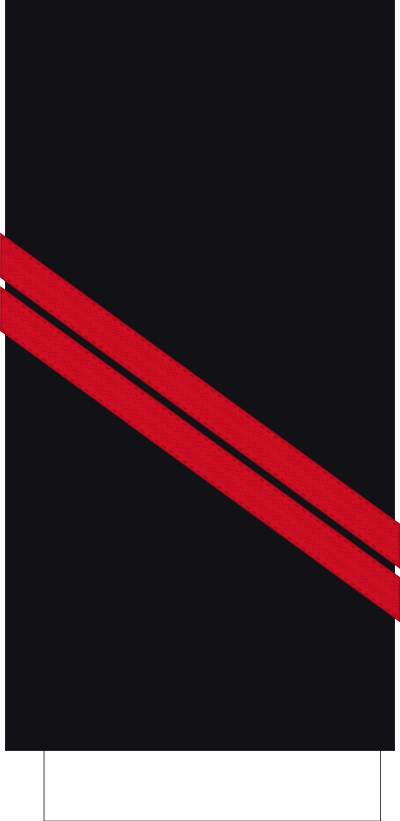 | Quartier-maître de 2e classe | OR-3 | Leading-hand equivalent; supervises junior sailors in a division. |
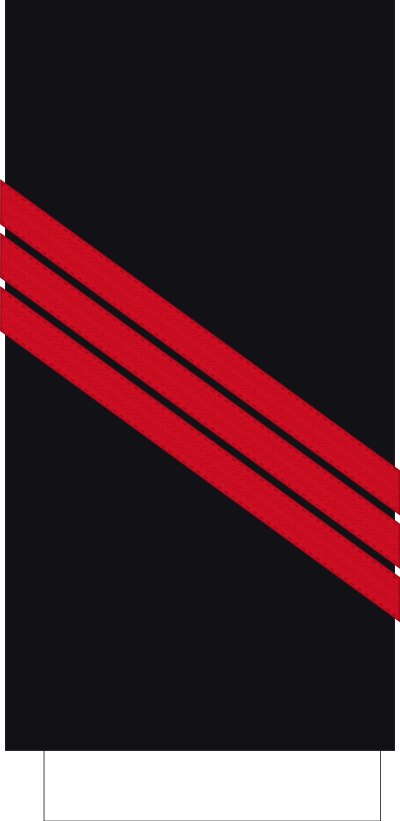 | Quartier-maître de 1re classe | OR-4 | Senior leading hand; leads a section of sailors. |
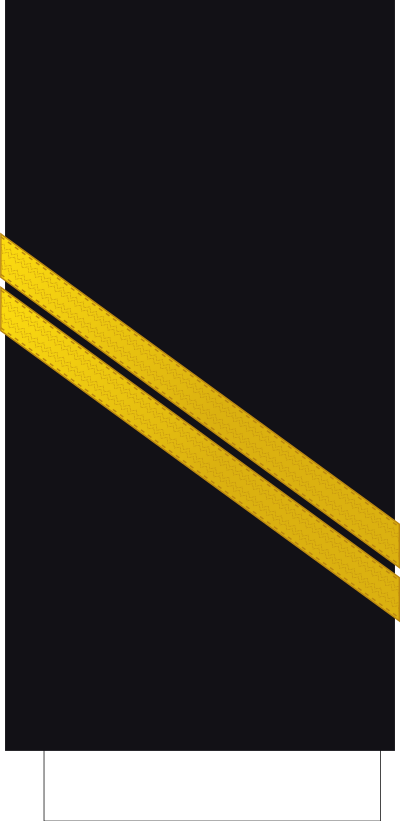 | Second-maître | OR-5 | First officier marinier grade; petty officer leading a team of sailors. |
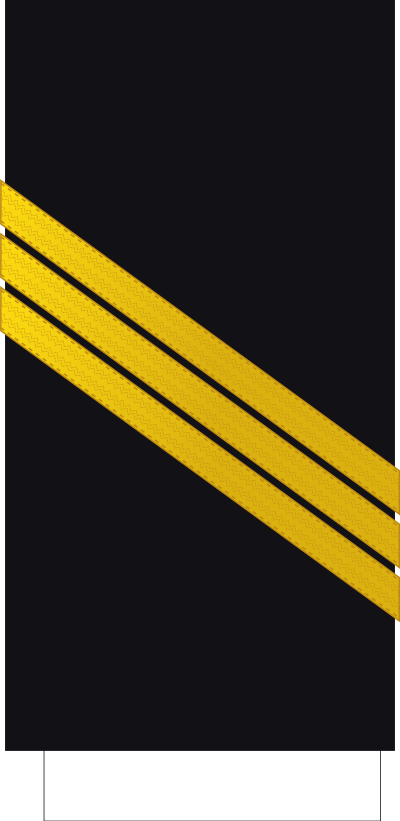 | Maître | OR-6 | Senior petty officer and technical specialist in a naval branch. |
 | Premier-maître | OR-8 | Chief petty officer; the technical backbone of a ship’s company. |
 | Maître principal | OR-9 | Senior chief; advises junior officers on the management of sailors. |
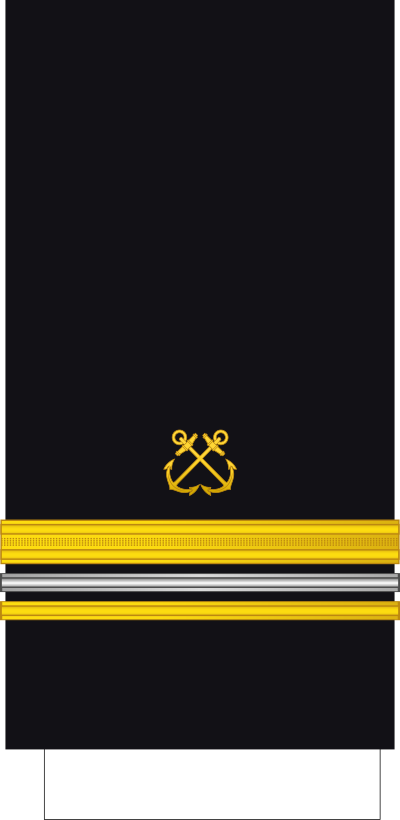 | Major | OR-9 | The Navy’s most senior NCO grade; principal enlisted adviser at major commands. |
French Air and Space Force Officer Ranks
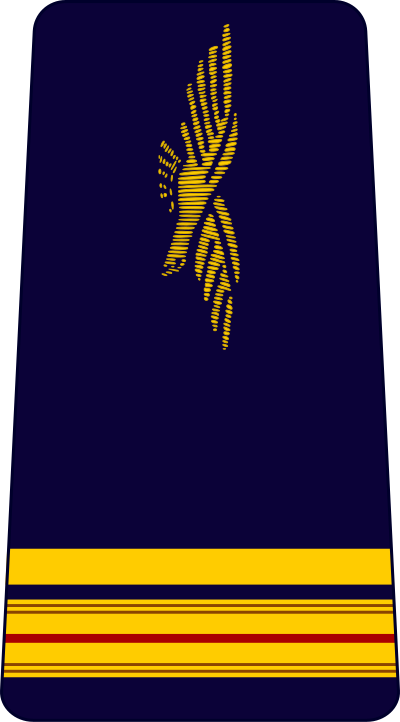
The Armée de l’air et de l’espace — renamed in 2020 to recognise the space mission — mirrors Army officer titles, but its generals carry the distinctive aérienne/aérien suffixes (général de brigade aérienne, and so on). Officers train at the École de l’air et de l’espace at Salon-de-Provence, and rank is worn on the sleeve or shoulder marks (shoulder marks shown below).
| Insignia | Rank | NATO Code | Details |
|---|---|---|---|
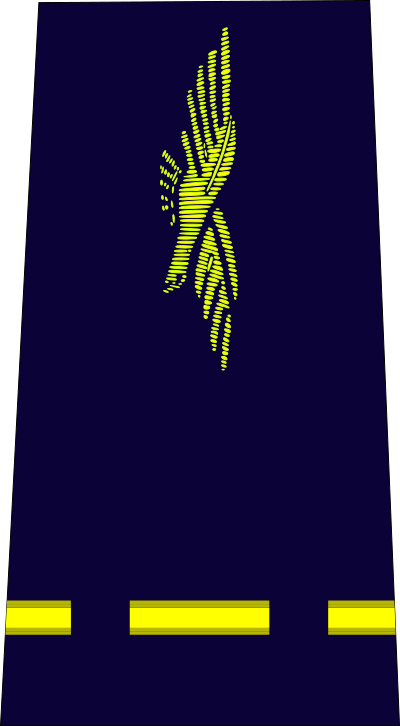 | Aspirant | OF(D) | Air officer cadet serving in a unit before commissioning. |
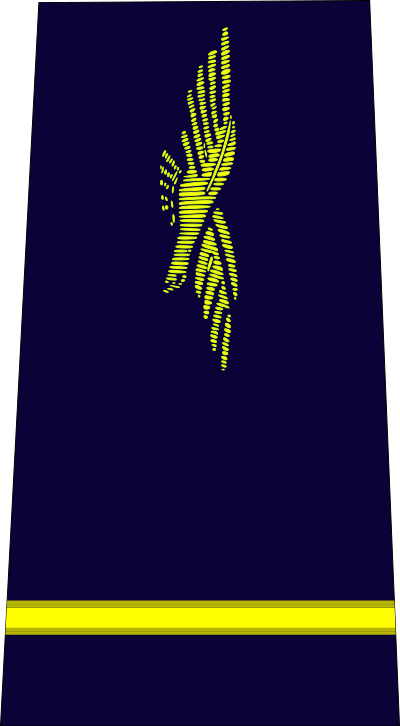 | Sous-lieutenant | OF-1 | First commissioned rank; junior officer in a flight or squadron. |
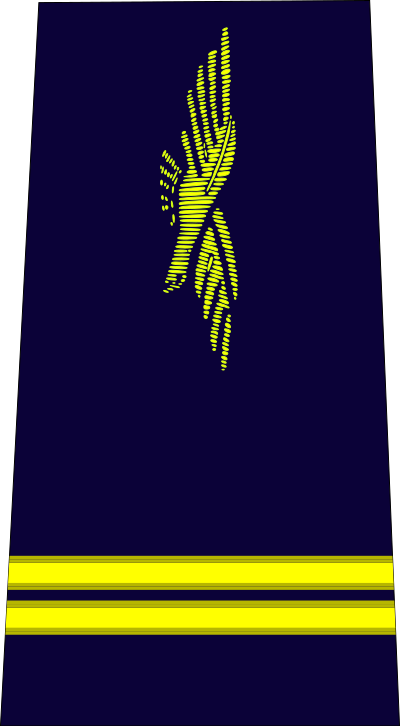 | Lieutenant | OF-1 | Flight member or junior staff officer; often a young pilot or controller. |
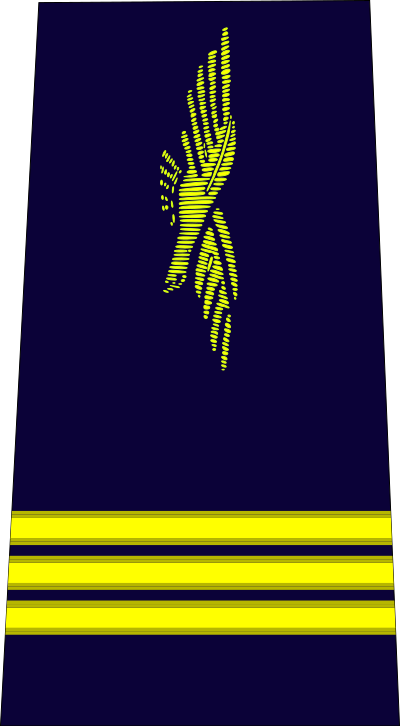 | Capitaine | OF-2 | Commands a flight (escadrille) or heads a technical section. |
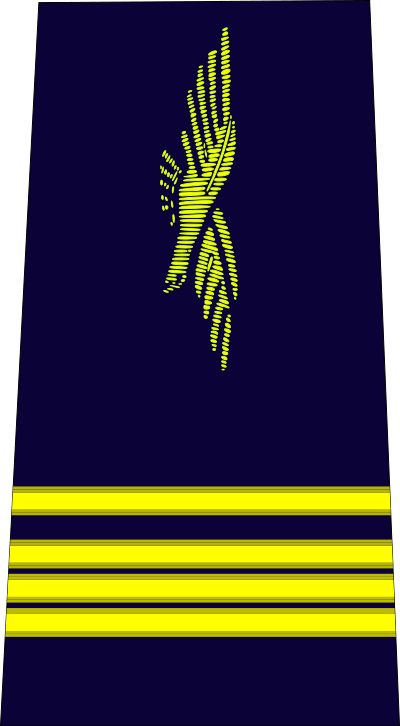 | Commandant | OF-3 | Squadron deputy commander or senior staff officer — the French equivalent of a major. |
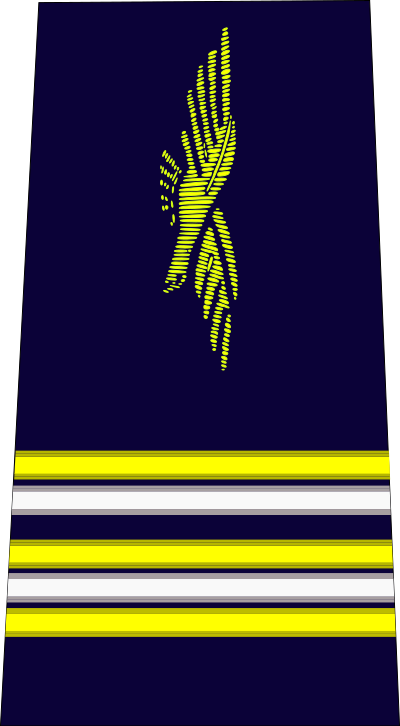 | Lieutenant-colonel | OF-4 | Squadron second-in-command; chief of staff on an air base. |
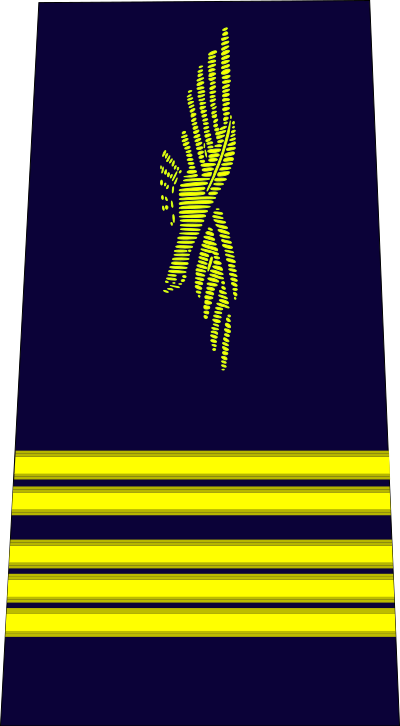 | Colonel | OF-5 | Commands an air base (base aérienne) or a wing. |
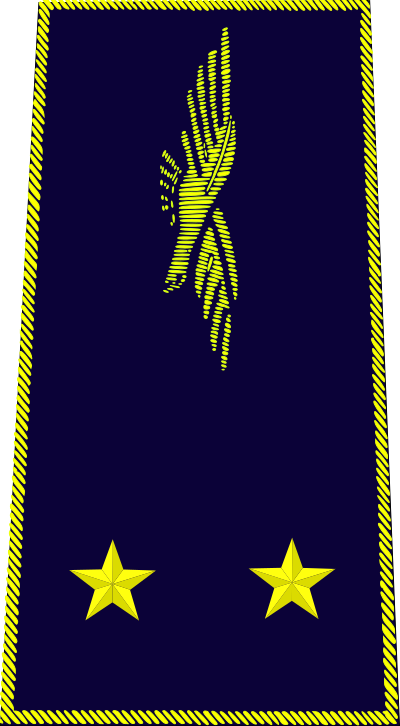 | Général de brigade aérienne | OF-6 | First air-officer rank; commands an air brigade. |
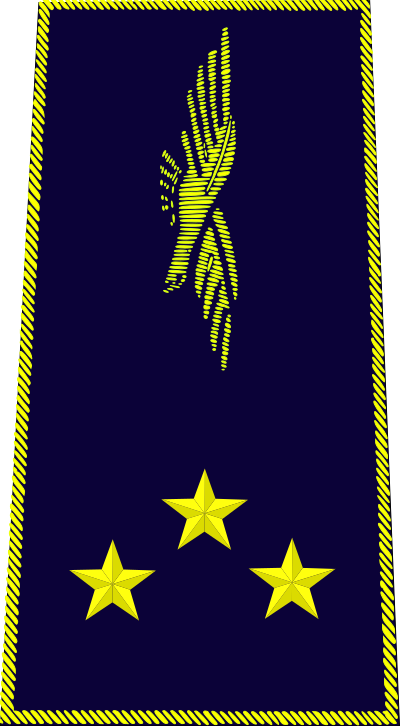 | Général de division aérienne | OF-7 | Division-level and senior joint appointments. |
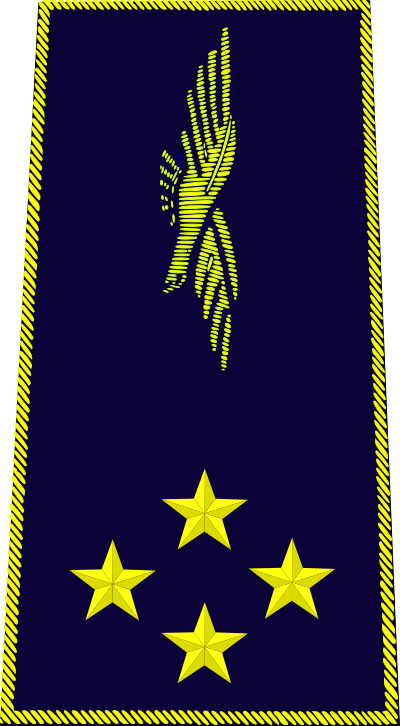 | Général de corps aérien | OF-8 | Air corps command; top operational leadership below the chief of staff. |
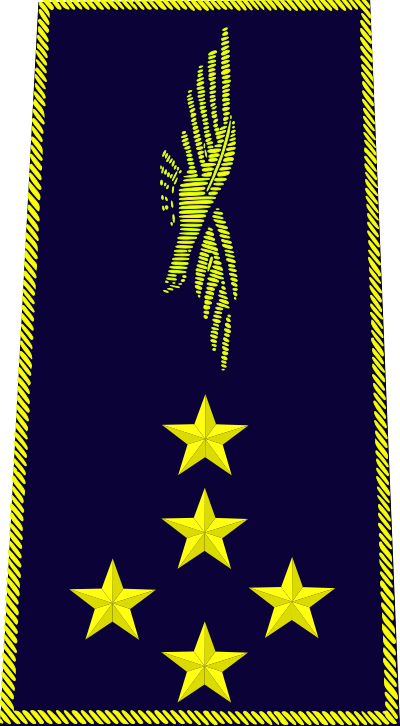 | Général d’armée aérienne | OF-9 | Highest active rank; held by the Chief of Staff of the Air and Space Force. |
French Air and Space Force NCOs and Airmen
Air Force other ranks run from aviateur (airman) through the NCO grades to major, closely paralleling the Army’s structure. Note one difference from the Army: in the Air Force, adjudant is graded OR-7 rather than OR-8, reflecting the service’s slightly different NCO ladder.
| Insignia | Rank | NATO Code | Details |
|---|---|---|---|
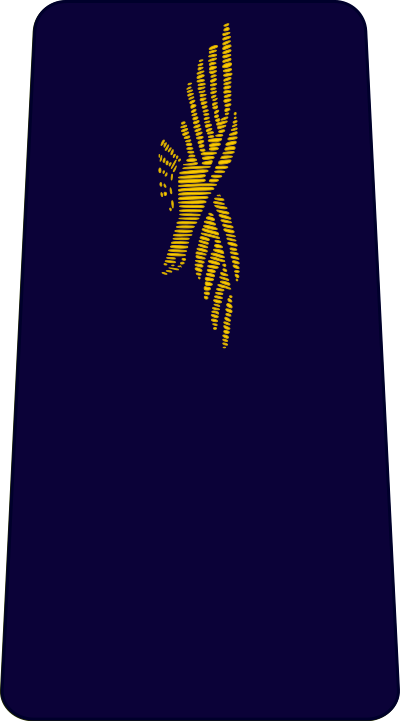 | Aviateur de 2e classe | OR-1 | New airman in basic training; wears no rank insignia. |
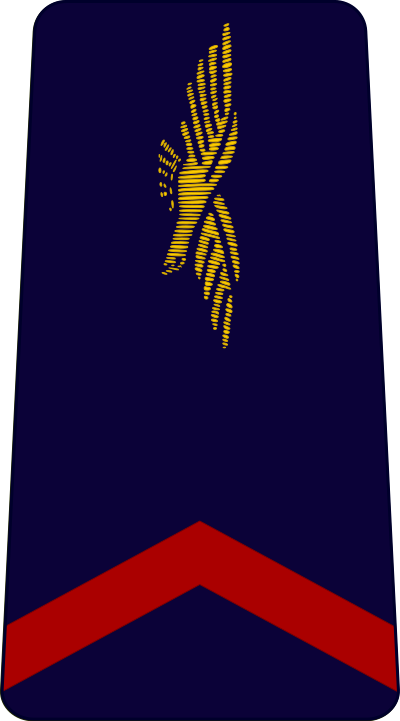 | Aviateur de 1re classe | OR-2 | Trained airman; qualified technician or support specialist. |
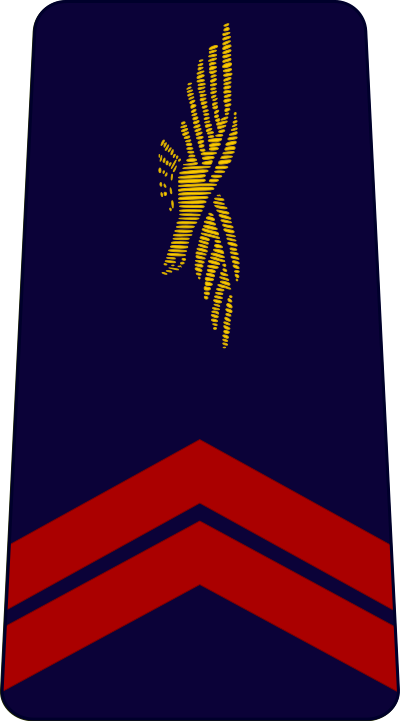 | Caporal | OR-3 | Leads a small team of airmen. |
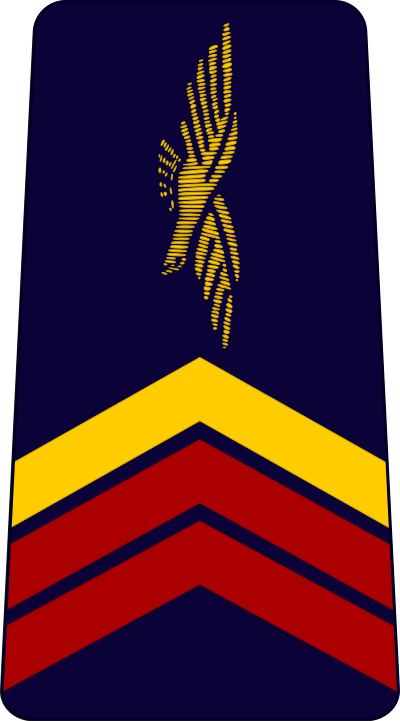 | Caporal-chef | OR-4 | Senior corporal; experienced team leader. |
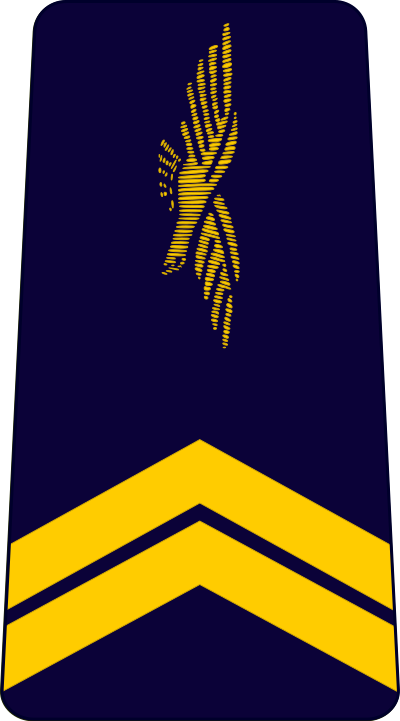 | Sergent | OR-5 | First NCO rank; leads a section of airmen. |
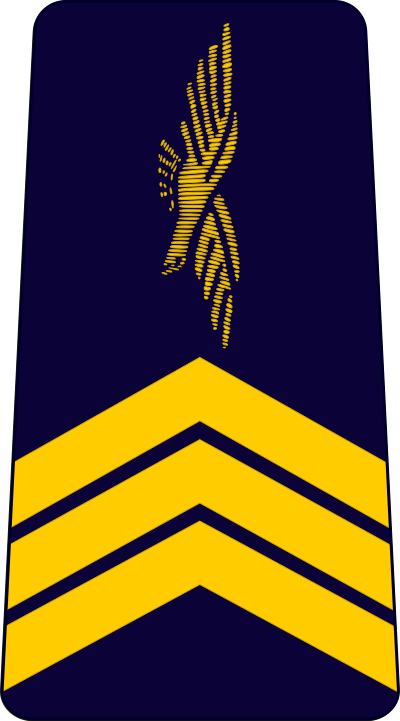 | Sergent-chef | OR-6 | Senior NCO; deputy to the flight’s senior leadership. |
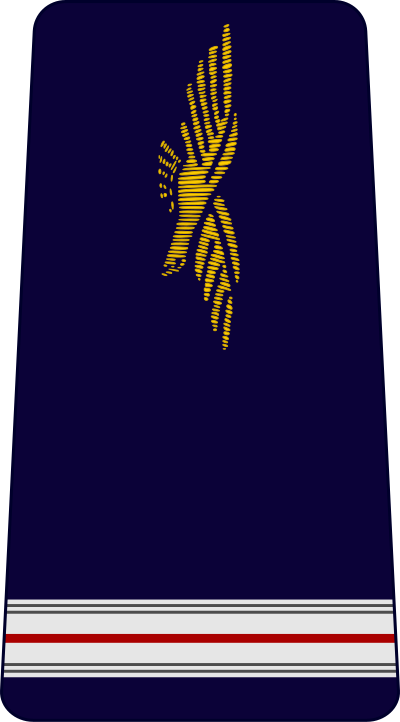 | Adjudant | OR-7 | Flight-level senior NCO managing personnel and discipline. |
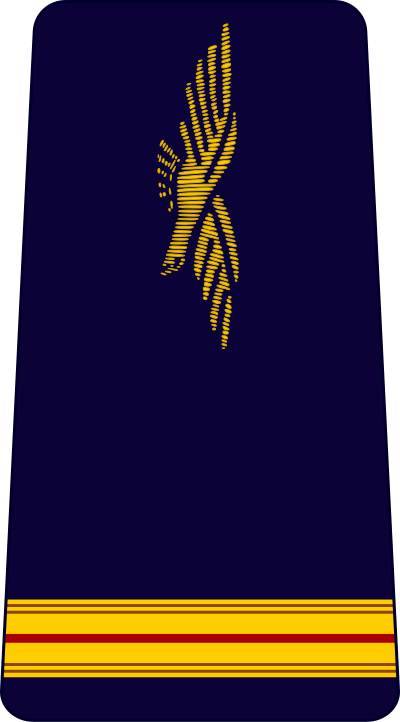 | Adjudant-chef | OR-8 | Senior adviser; routinely entrusted with junior-officer responsibilities. |
 | Major | OR-9 | The most senior NCO of the Air and Space Force. |
What Makes French Ranks Different
Several features of the French system surprise even experienced military watchers. First, France has no “brigadier general”: its one-star rank is général de brigade (OF-6), because French generals are named for the formation they historically commanded — brigade, division, army corps, army — rather than for a count of stars. Second, major is a senior NCO grade (OR-9), the highest enlisted rank in all three services; the officer grade most English speakers call “major” is commandant (OF-3) in France. Third, aspirant is a genuine rank (OF-D) held by officer cadets serving in units — a halfway house between NCO and commissioned officer with no direct equivalent in most Anglophone forces.
Fourth, French ranks change their names by arm and service: an infantry sergent is a maréchal-des-logis in the cavalry and artillery, a caporal becomes a brigadier, and a commandant is styled chef de bataillon, chef d’escadrons or chef d’escadron depending on his branch. The Navy goes further still, with an entirely separate vocabulary — enseigne de vaisseau, capitaine de frégate — rooted in the age of sail. Finally, the system keeps evolving: the September 2022 NCO reform created the sergent-chef BM2 grade for platoon-leader-qualified NCOs, and major was only attached to the NCO corps in 2009, having previously stood as an independent corps between NCOs and officers.
How Promotion Works in the French Armed Forces
Careers in the French military run on contracts and commissions rather than a single enlistment model. Enlisted volunteers sign initial contracts and can build a full career to major; NCOs are selected for the ENSOA school at Saint-Maixent and graduate as sergents. Officers enter through Saint-Cyr (Army), the École navale (Navy) or the École de l’air et de l’espace (Air and Space Force), commissioning as sous-lieutenant or enseigne de vaisseau de 2e classe. A second route, the École militaire interarmes, commissions experienced NCOs as officers, and direct-entry schemes bring in doctors, engineers and other specialists.
Advancement above the junior grades is governed by annual promotion boards (tableaux d’avancement) that weigh seniority, merit, qualifications and vacancies together — promotion is never automatic. Minimum time-in-grade requirements apply at every level, and the jump to general or flag rank is by presidential decree on ministerial proposal. The French Foreign Legion uses exactly the same rank structure as the regular Army, and its legionnaires — recruited worldwide — can rise through the NCO grades to adjudant-chef and major like any French soldier.
Frequently Asked Questions
Does France have a brigadier general?
No — the French one-star rank is général de brigade (OF-6). French generals are named for the formation they command (brigade, division, army corps, army) rather than numbered like “brigadier general” or “major general”.
What is an aspirant in the French military?
Aspirant is a real rank (NATO OF-D) held by officer cadets serving in operational units before they are commissioned — a halfway grade between NCO and officer with its own distinctive insignia. It has no direct equivalent in most English-speaking militaries.
Is a French major an officer?
No. In France, major is the most senior non-commissioned officer grade (OR-9) in all three services. The officer rank that English speakers call “major” is commandant (OF-3) in the French system.
What is the highest rank in the French military?
The highest active rank is général d’armée (Army and Air Force) or amiral (Navy), held by the service chiefs. Above these sit the honorary dignities of Maréchal de France and Amiral de France, awarded only for exceptional wartime service.
How are French Navy ranks different from Army ranks?
The Navy uses a completely separate vocabulary (enseigne de vaisseau, capitaine de frégate, contre-amiral) and reads rank from gold sleeve stripes rather than shoulder boards. It also has the unique OF-8 grade vice-amiral d’escadre, which is both a rank and an appointment to squadron command.
What is the difference between sergent and maréchal-des-logis?
They are the same grade (OR-5) with different traditional names: infantry and most arms say sergent, while cavalry, artillery, train and matériel units say maréchal-des-logis (“marshal of lodgings”). The same pairing applies at every level — caporal/brigadier, sergent-chef/maréchal-des-logis-chef, and so on.
Image credits: French Army shoulder-board insignia by Bilou (CC BY-SA 3.0); French Navy sleeve stripes by Skjoldbro (CC BY-SA 4.0); French Air and Space Force shoulder marks by Rama (CC BY-SA 2.0 fr); additional files by Bloomsbury Group and Kikilarzac (CC BY-SA 4.0) — all via Wikimedia Commons.