The Canadian Armed Forces (CAF) use one of the most distinctive rank systems in the world: a single unified ladder shared by three services — the Canadian Army, the Royal Canadian Navy (RCN), and the Royal Canadian Air Force (RCAF). Born of the 1968 unification that merged Canada’s three separate services into one force — the first country ever to do so — the system means a Captain in the army and a Captain in the air force hold the same rank, wear different uniforms, and answer to the same chain of command. Only the navy keeps its own traditional rank names, from Sailor 3rd Class to Admiral. This complete 2026 guide lists every Canadian Armed Forces rank in order, with insignia images, NATO codes, what each rank actually does, how promotion works, and answers to common questions.
Like most Commonwealth militaries, Canada divides its people into commissioned officers — who hold the King’s commission and command — and non-commissioned members (NCMs), the trained sailors, soldiers, and aviators who form the skilled backbone of the force. Every rank below is also fully bilingual, with an official French title alongside the English one. Below are the full tables for all three services, followed by guides to promotion and insignia.
Commissioned Officers of the Canadian Army
Canadian Army officers earn their commissions through the Royal Military College of Canada, direct-entry programs, or promotion from the ranks. Their insignia follows the classic Commonwealth pattern restored in 2013: pips and crowns on the shoulder strap — the pips taking the form of the Vimy Star — while general officers wear maple leaves with a crossed sabre and baton beneath a crown, a style reintroduced in 2016. The table lists every army officer rank from highest to lowest.
| Insignia | Rank | NATO Code | Details |
|---|---|---|---|
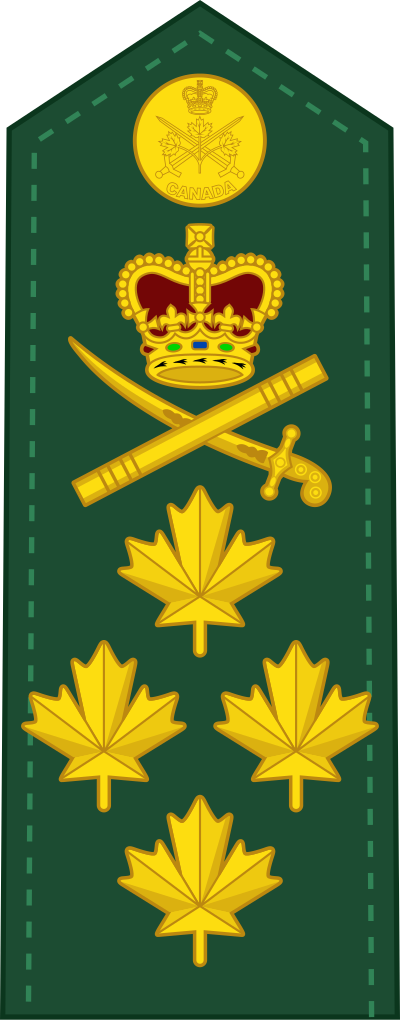 | General | OF-9 | The senior army rank, a four-star equivalent. When the Chief of the Defence Staff — Canada’s top uniformed officer — comes from the army or air force, this is the rank worn. Insignia: crown, crossed sabre and baton, and four maple leaves. |
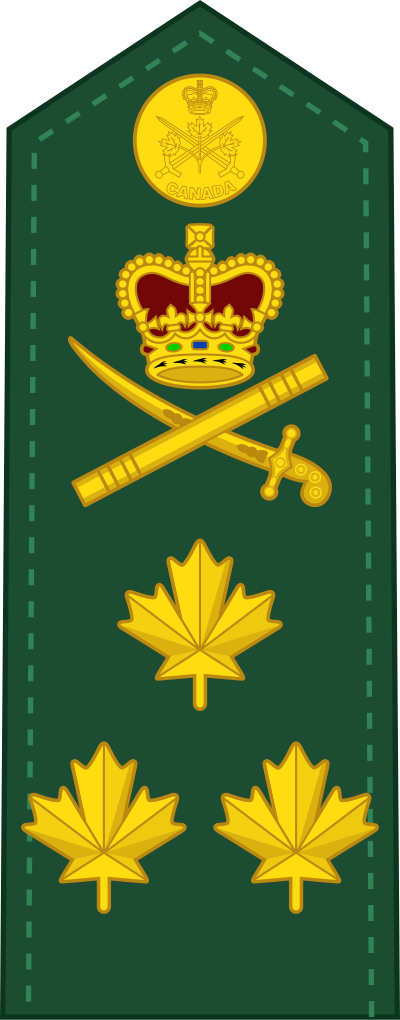 | Lieutenant-General | OF-8 | Three maple leaves. Holds the most senior appointments in the land force, such as Commander of the Canadian Army, or leads a joint operational command. |
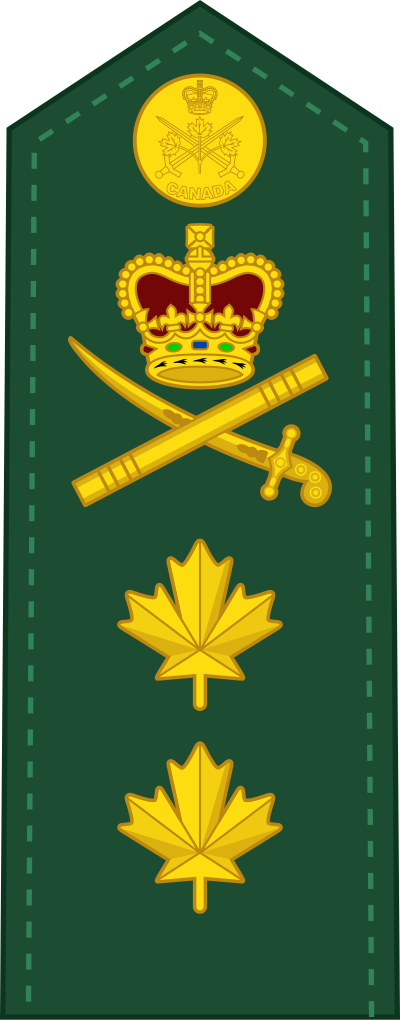 | Major-General | OF-7 | Two maple leaves. Typically commands a division or holds a senior staff post at National Defence Headquarters in Ottawa. |
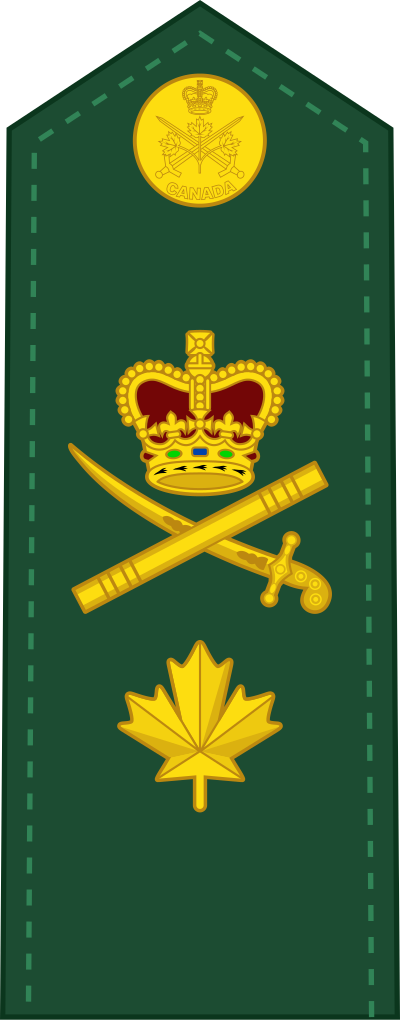 | Brigadier-General | OF-6 | One maple leaf. The junior general rank; brigade commanders and senior directors are Brigadier-Generals. |
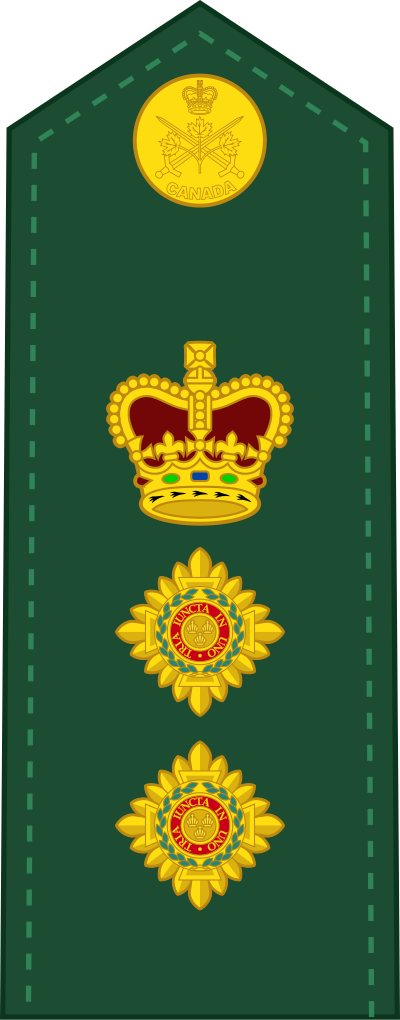 | Colonel | OF-5 | Crown and two pips. Commands a regiment-sized group or fills senior staff roles; colonels also wear distinctive scarlet-and-gold gorget patches on the collar. |
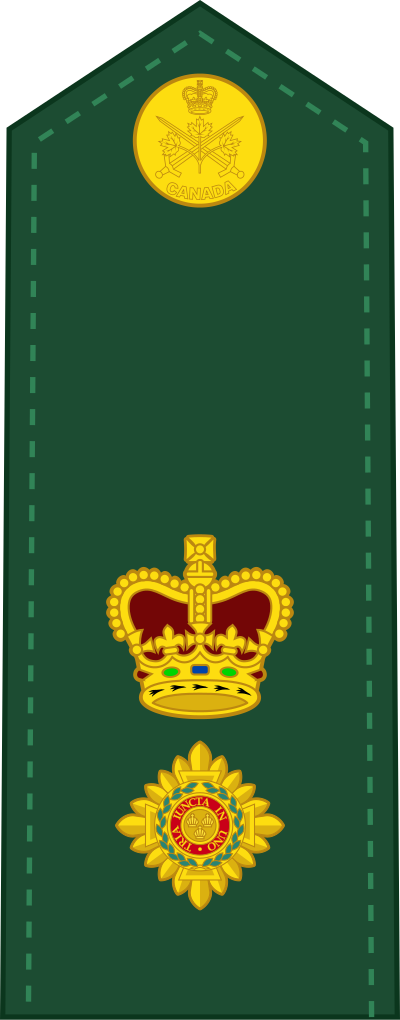 | Lieutenant-Colonel | OF-4 | Crown and one pip. The classic commanding-officer rank — leads a battalion-sized unit of several hundred soldiers. |
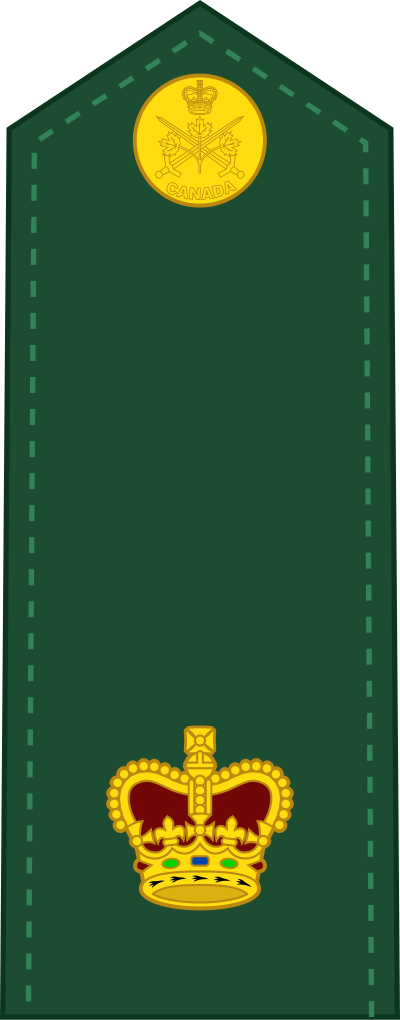 | Major | OF-3 | A single crown. The lowest senior-officer rank; commands a company, squadron, or battery, or serves as a battalion second-in-command. |
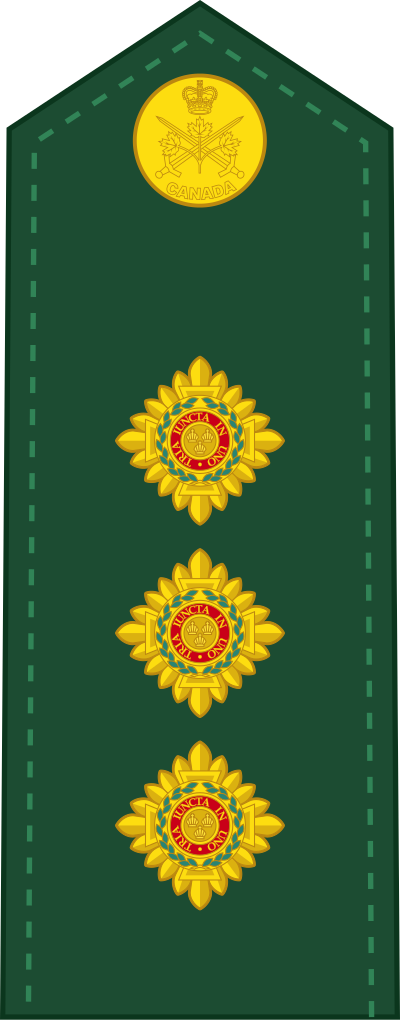 | Captain | OF-2 | Three pips. Leads a platoon or troop, or works in staff and specialist appointments after several years of service. |
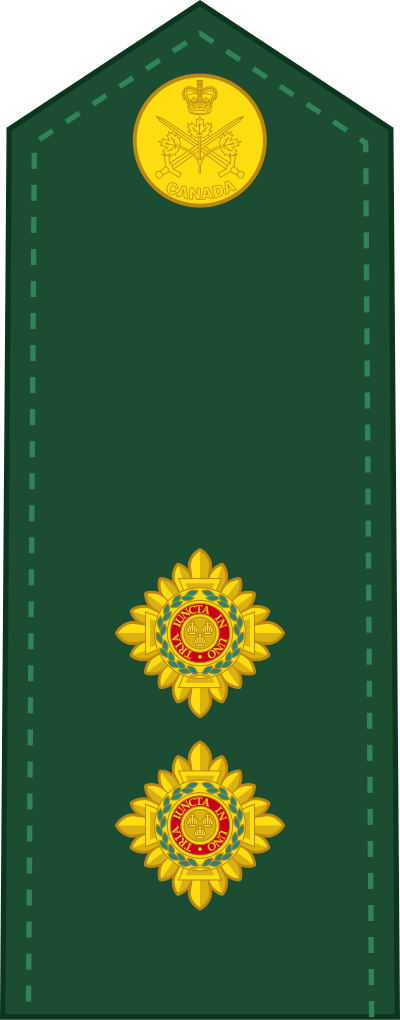 | Lieutenant | OF-1 | Two pips. A junior officer, usually commanding a platoon under the mentorship of a senior non-commissioned officer. |
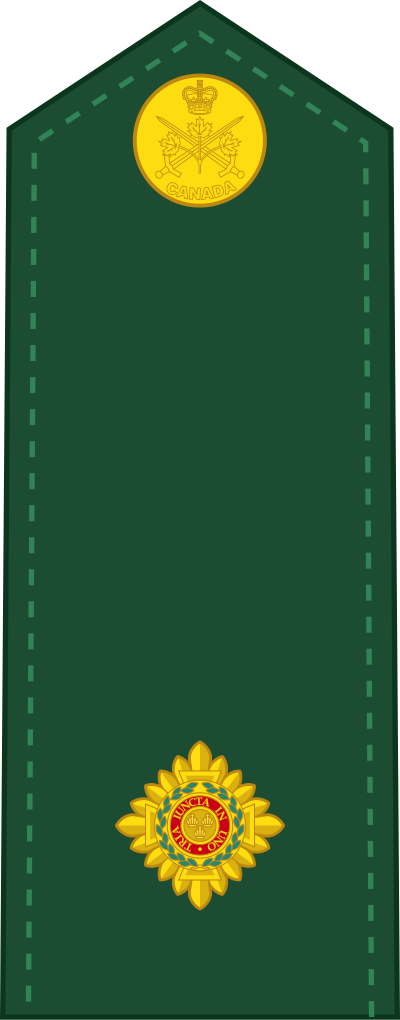 | Second Lieutenant | OF-1 | One pip. The first rank held on commissioning, while completing initial officer training and first postings. |
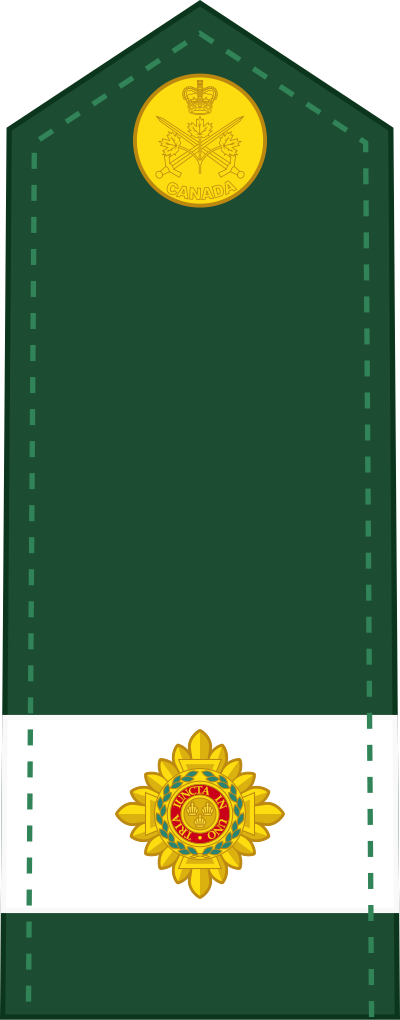 | Officer Cadet | OF(D) | A subordinate officer — not yet commissioned — under training, for example at the Royal Military College of Canada in Kingston. |
Non-Commissioned Members of the Canadian Army
The army’s non-commissioned members run from Private to Chief Warrant Officer. Junior ranks wear chevrons — with the maple leaf marking seniority — while warrant ranks wear the crown, alone or in a wreath, and the Chief Warrant Officer wears the Canadian coat of arms. Note that a Private in an armoured regiment is addressed as Trooper, in the artillery as Gunner, among engineers as Sapper, and in signals as Signaller.
| Insignia | Rank | NATO Code | Details |
|---|---|---|---|
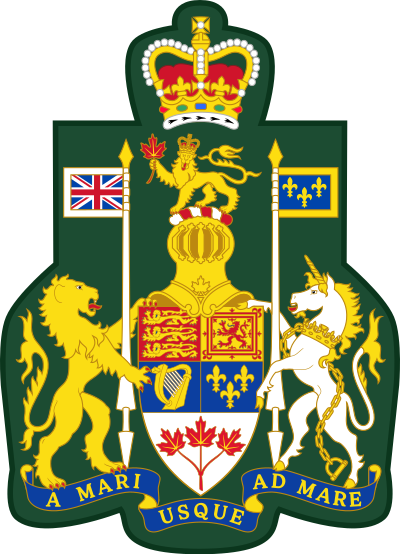 | Chief Warrant Officer | OR-9 | The Canadian coat of arms. The senior NCM of a formation — the regimental sergeant-major’s rank — and adviser to commanders on all matters affecting soldiers. |
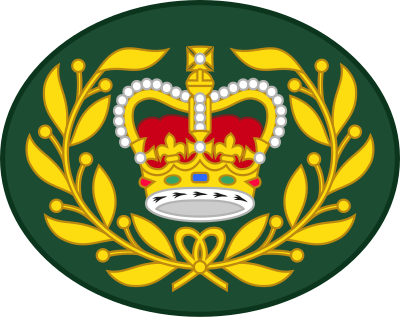 | Master Warrant Officer | OR-8 | A crown in a wreath. Serves as a company or battery sergeant-major, the senior NCM of a sub-unit. |
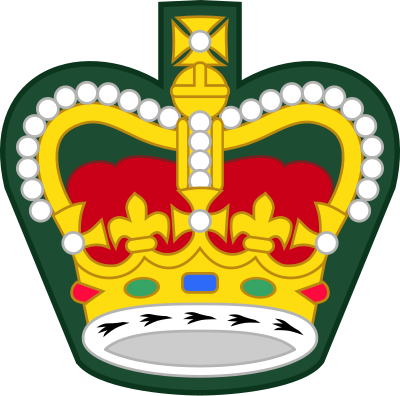 | Warrant Officer | OR-7 | A crown. The experienced platoon warrant — mentor to junior officers and technical expert. |
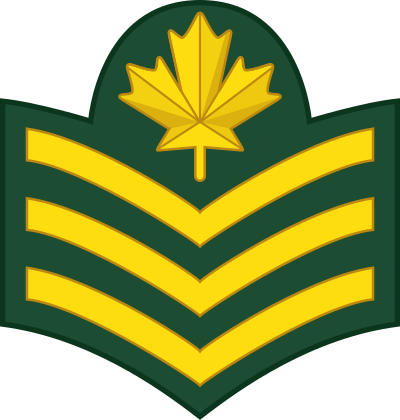 | Sergeant | OR-6 | Three chevrons beneath a maple leaf. Commands a section and trains junior soldiers; the first rank of real authority over troops. |
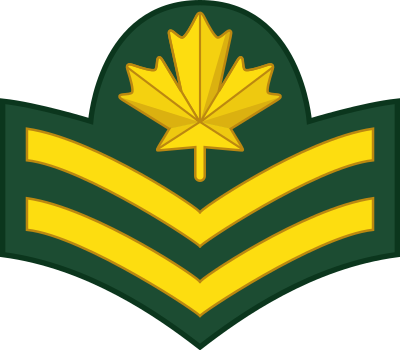 | Master Corporal | OR-5 | Two chevrons beneath a maple leaf. Technically an appointment rather than a rank — see the note below. |
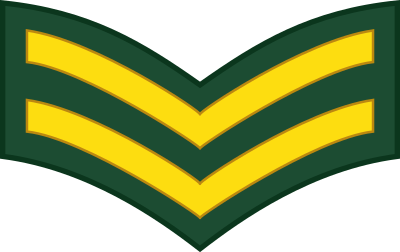 | Corporal | OR-4 | Two chevrons. A fully trained soldier who may lead a small detachment or mentor privates. |
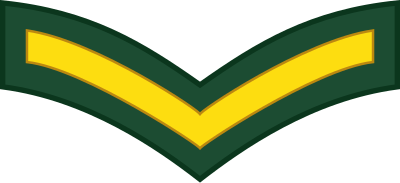 | Private (Trained) | OR-3 | One chevron. A soldier qualified in their trade and serving in a unit. |
| No insignia | Private (Basic) | OR-2 | Wears no rank badge. A recruit undergoing basic military qualification training. |
Master Corporal is an appointment, not a rank. It is conferred on a Corporal who has completed the required leadership qualification, and it can in theory be withdrawn. The maple leaf above the two chevrons marks the appointment — the same idea applies in the navy (Master Sailor) and air force. In practice, though, “Master Corporal” functions as a rank in daily service life and is a NATO OR-5 appointment.
Commissioned Officers of the Royal Canadian Navy
The Royal Canadian Navy kept its traditional naval rank names through unification, so its officer ladder will look familiar to anyone who knows the Royal Navy: Sub-Lieutenant to Admiral, read from rows of gold braid on the sleeve, with the executive curl marking the line officers. The “(N)” after Lieutenant and Captain distinguishes naval officers from their army and air force namesakes. Flag officers add maple leaves to the Commonwealth flag-rank pattern.
| Insignia | Rank | NATO Code | Details |
|---|---|---|---|
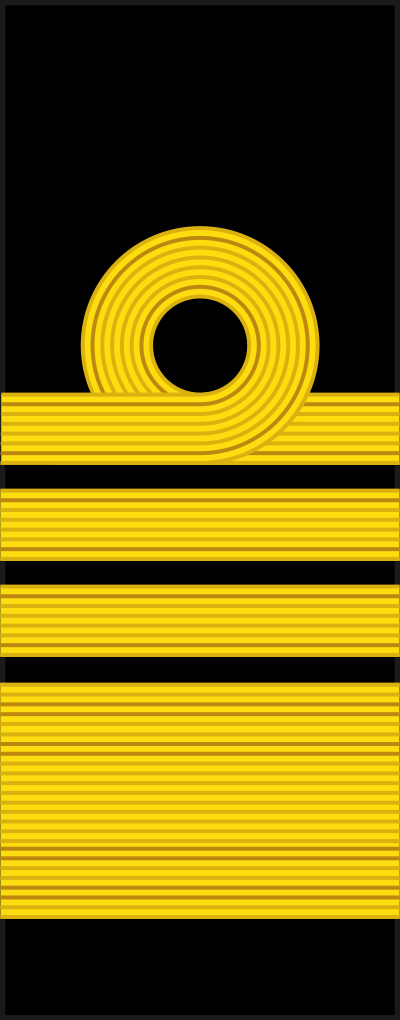 | Admiral | OF-9 | The RCN’s four-star rank, equivalent to General. Worn by the Chief of the Defence Staff when a naval officer holds Canada’s top uniformed post. |
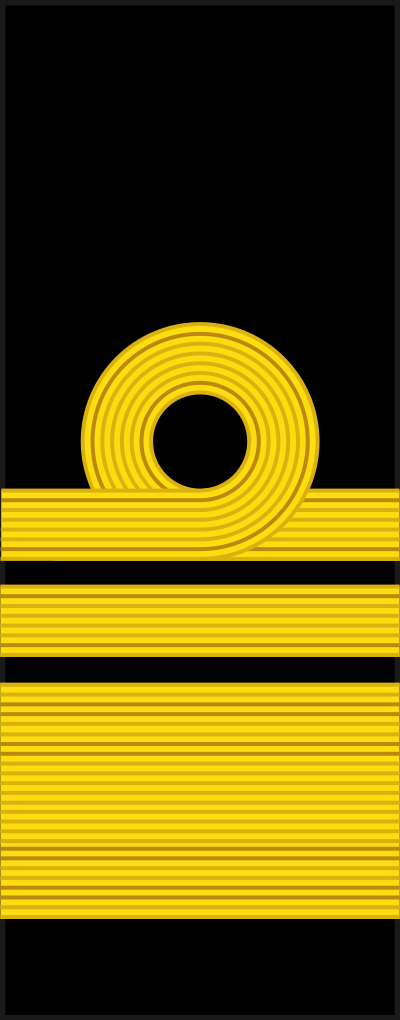 | Vice-Admiral | OF-8 | Three-star rank typically held by the Commander of the Royal Canadian Navy. |
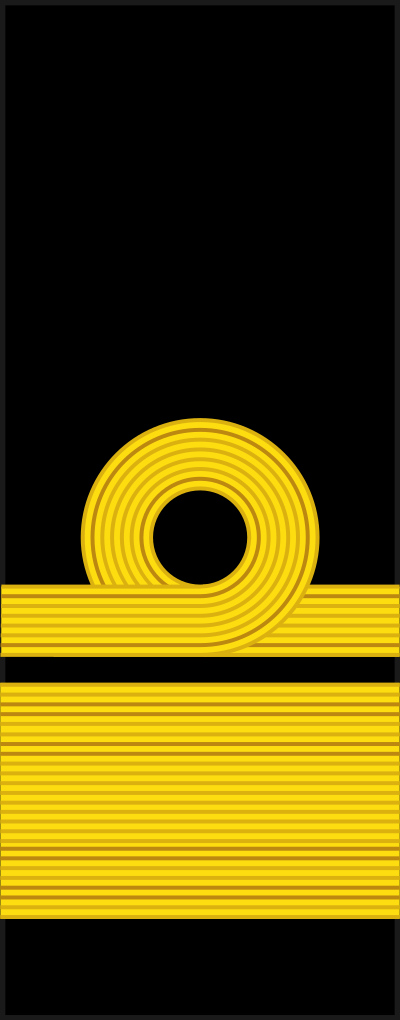 | Rear-Admiral | OF-7 | Two-star rank commanding naval formations or holding senior joint appointments in Ottawa. |
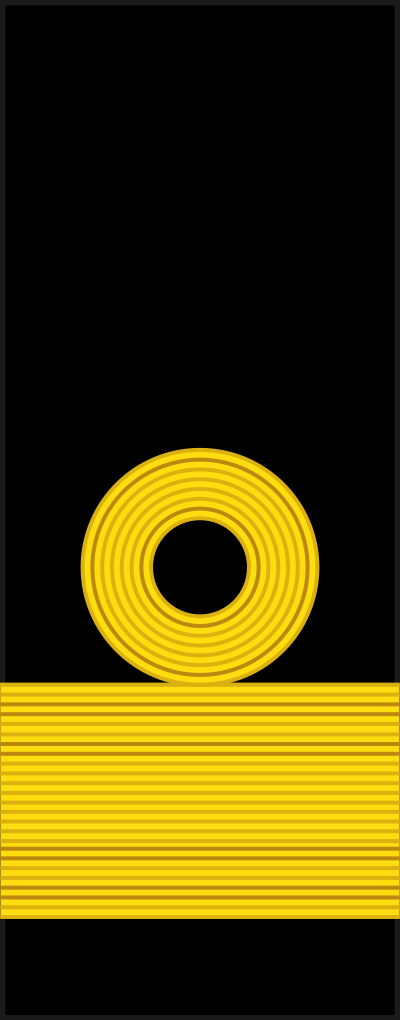 | Commodore | OF-6 | The junior flag rank; commands a coastal fleet or major formation, or directs a naval staff division. |
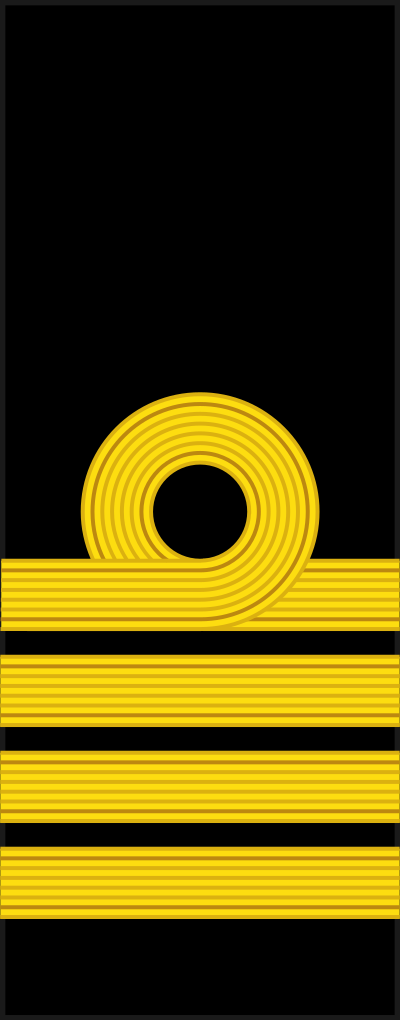 | Captain (N) | OF-5 | Four stripes. Commands a frigate or destroyer; the “(N)” marks this as the naval captain, senior to an army Captain. |
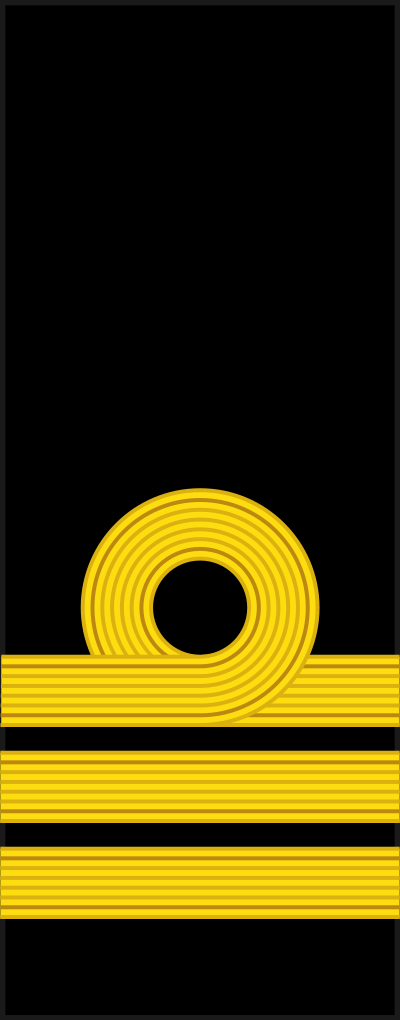 | Commander | OF-4 | Three stripes. Executive officer of a major warship or commanding officer of a smaller vessel such as a coastal defence ship. |
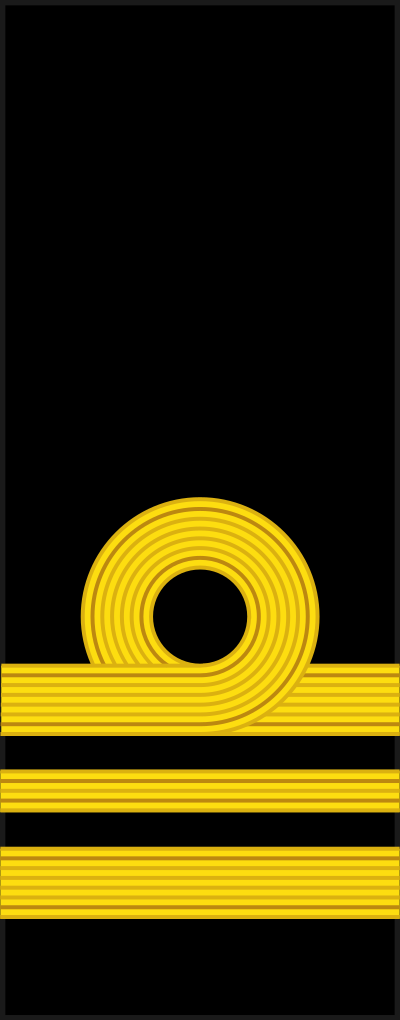 | Lieutenant-Commander | OF-3 | Two-and-a-half stripes. Heads one of a ship’s departments — operations, engineering, logistics, or combat systems. |
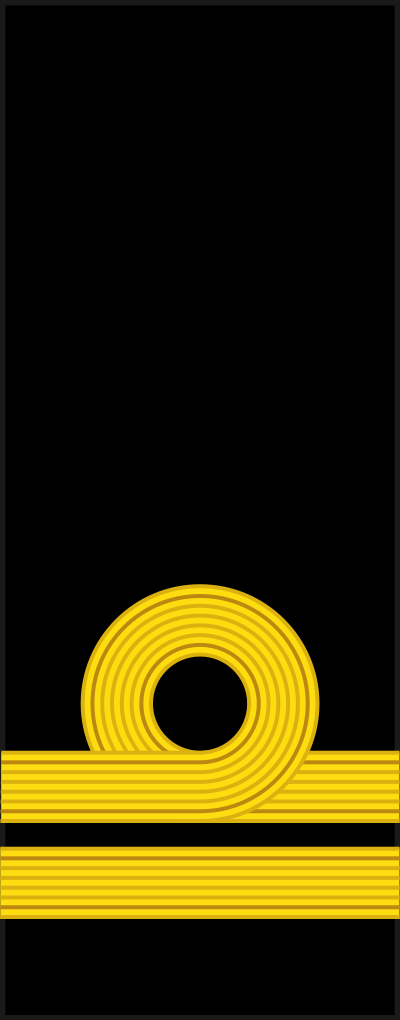 | Lieutenant (N) | OF-2 | Two stripes. A qualified watchkeeper and divisional officer responsible for a group of sailors. |
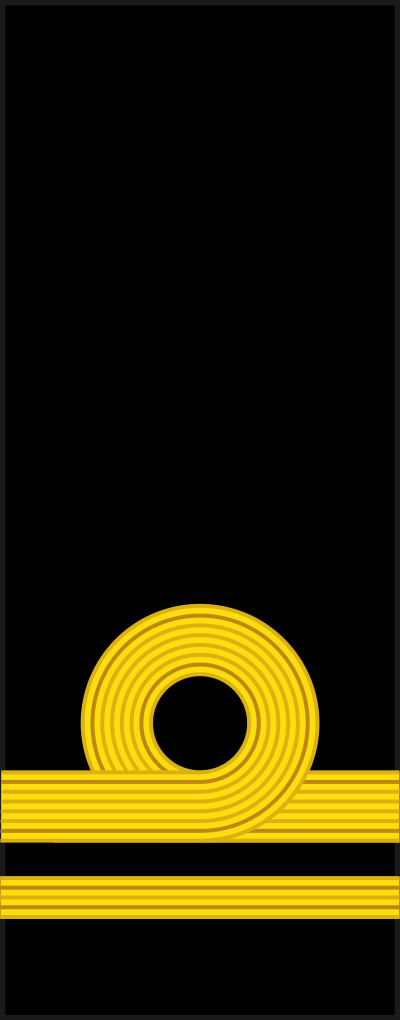 | Sub-Lieutenant | OF-1 | One stripe. A junior officer completing professional training at sea after initial naval officer courses. |
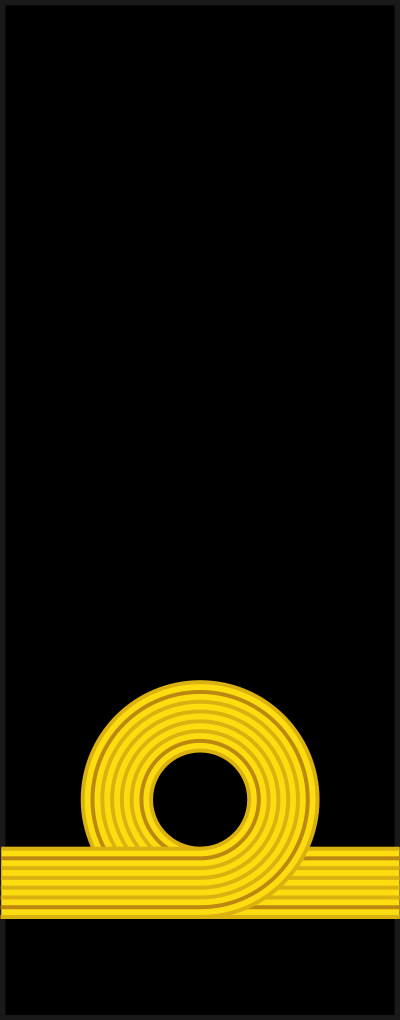 | Acting Sub-Lieutenant | OF-1 | A narrower single stripe. The first commissioned rank in the navy, held briefly after commissioning. |
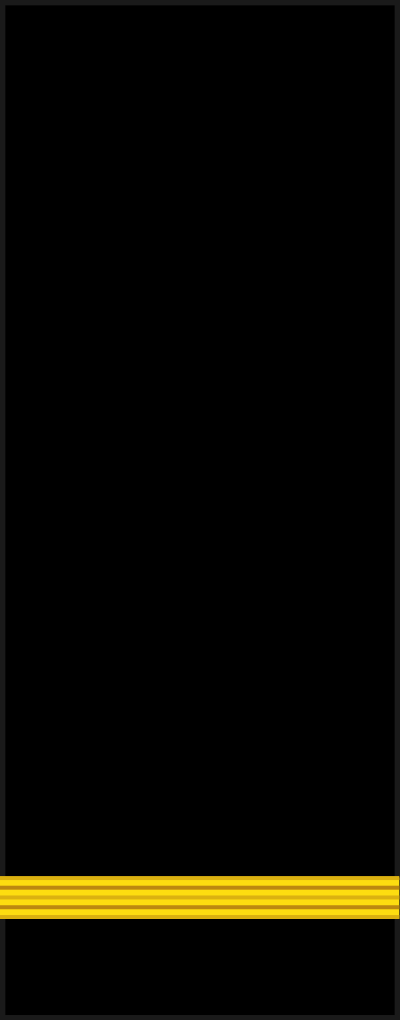 | Naval Cadet | OF(D) | A subordinate officer under training — the naval counterpart of the army and air force Officer Cadet. |
Sailors: Non-Commissioned Members of the Royal Canadian Navy
The navy’s other ranks run from Sailor 3rd Class to Chief Petty Officer 1st Class. Senior sailors — petty officers and chiefs — wear their badges on the lower sleeve in the old naval manner, while junior sailors wear chevrons on the upper arm. The lowest rank, Sailor 3rd Class, wears no insignia at all.
| Insignia | Rank | NATO Code | Details |
|---|---|---|---|
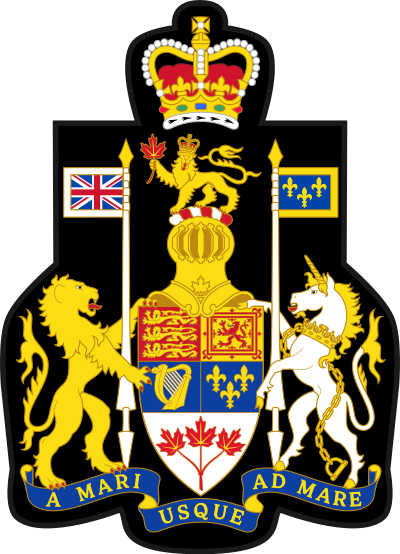 | Chief Petty Officer 1st Class | OR-9 | The Canadian coat of arms. The senior sailor of a ship or establishment — the coxswain — advising the commanding officer. |
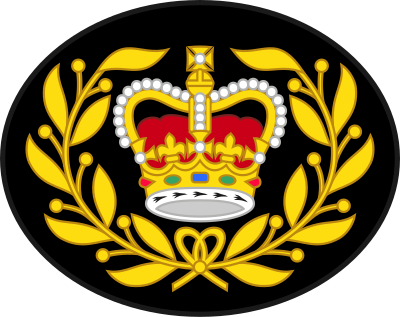 | Chief Petty Officer 2nd Class | OR-8 | Crown in a wreath. A senior departmental leader and mentor across the ship’s company. |
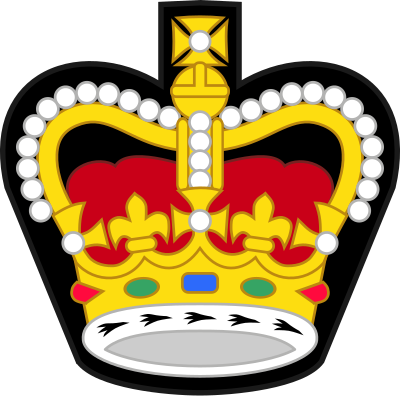 | Petty Officer 1st Class | OR-7 | A crown. Leads a departmental division and stands in for the chief. |
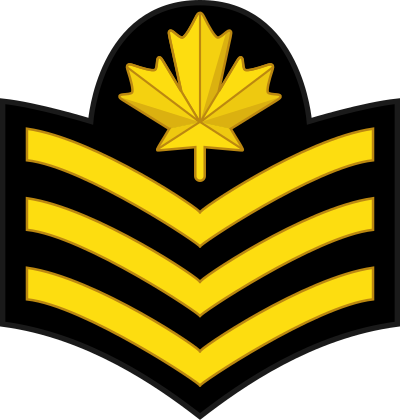 | Petty Officer 2nd Class | OR-6 | Three chevrons beneath a maple leaf. A first-line supervisor responsible for a section of sailors and their training. |
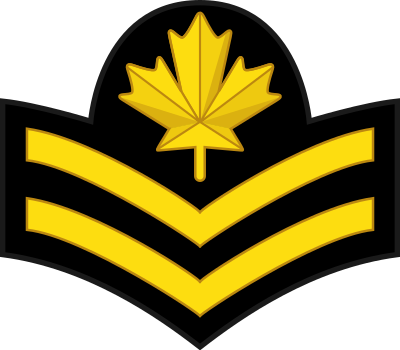 | Master Sailor | OR-5 | Two chevrons beneath a maple leaf. Like the army’s Master Corporal, an appointment marking a senior, experienced sailor. |
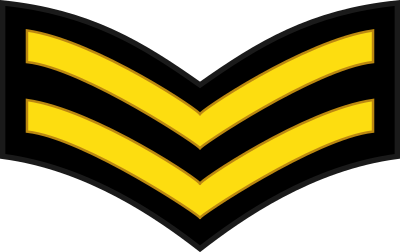 | Sailor 1st Class | OR-4 | Two chevrons. A fully qualified sailor who may supervise a small working party. |
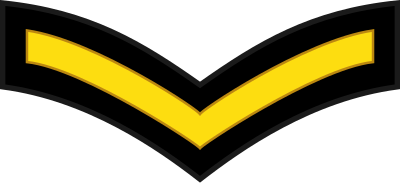 | Sailor 2nd Class | OR-3 | One chevron. A trained sailor serving in the ship’s company. |
| No insignia | Sailor 3rd Class | OR-2 | Wears no rank badge. A sailor still completing basic and initial naval training. |
The “sailor” ranks date only to 2020. In August 2020 the Royal Canadian Navy replaced the centuries-old term “seaman” with gender-neutral titles: Ordinary Seaman became Sailor 3rd Class, Able Seaman became Sailor 2nd Class, Leading Seaman became Sailor 1st Class, and Master Seaman became Master Sailor. The French titles (matelot) were already neutral, so only the English names changed.
Commissioned Officers of the Royal Canadian Air Force
RCAF officers hold exactly the same rank titles as their army counterparts — General down to Second Lieutenant — but their insignia could hardly be more different: instead of pips and crowns, air force officers wear rows of pearl-grey (silver) braid on the sleeve, in the tradition of Commonwealth air forces. General officers wear the same maple-leaf shoulder insignia as army generals. Since 2015 the RCAF has used its distinctive air force blue uniform with this silver braid, replacing the earlier gold.
| Insignia | Rank | NATO Code | Details |
|---|---|---|---|
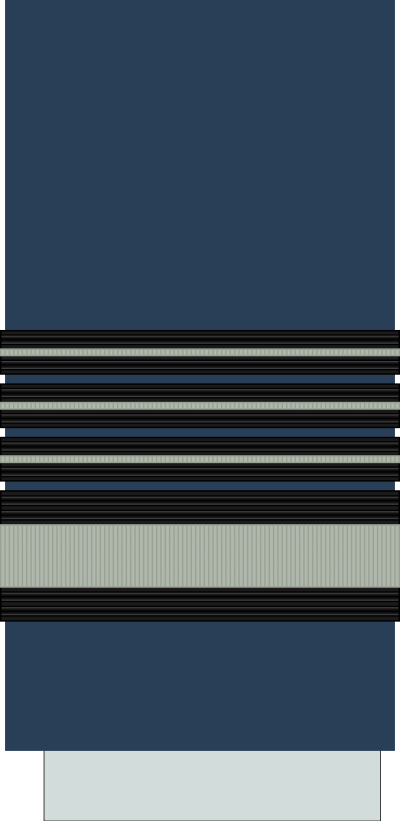 | General | OF-9 | Four-star rank; the RCAF equivalent of Admiral. Worn by the Chief of the Defence Staff when drawn from the air force. |
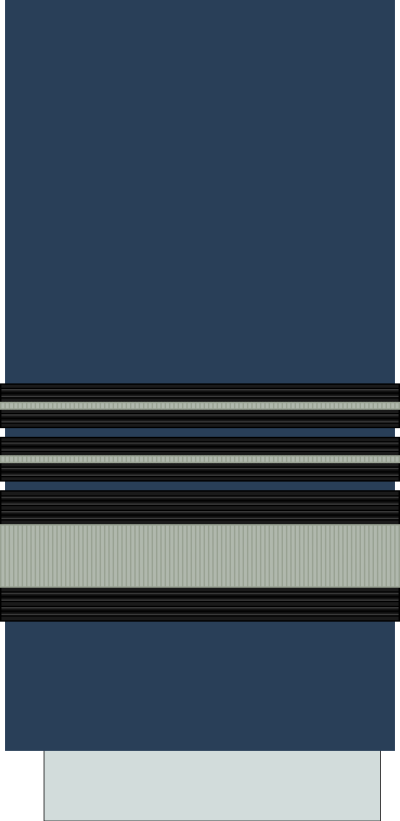 | Lieutenant-General | OF-8 | Typically the Commander of the Royal Canadian Air Force. |
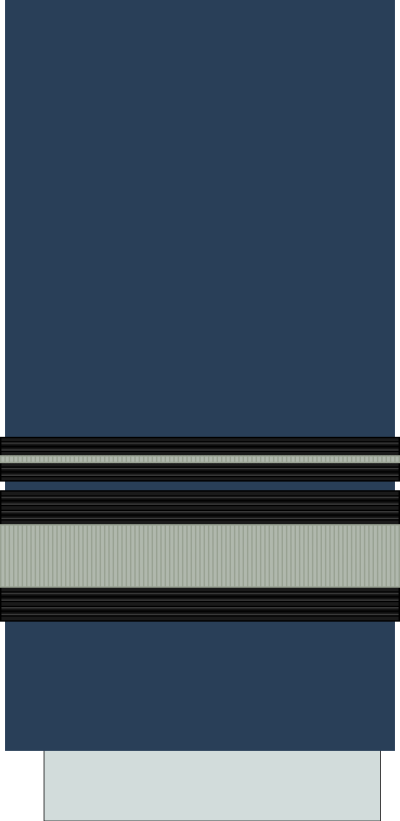 | Major-General | OF-7 | Division-level air commanders and senior headquarters staff. |
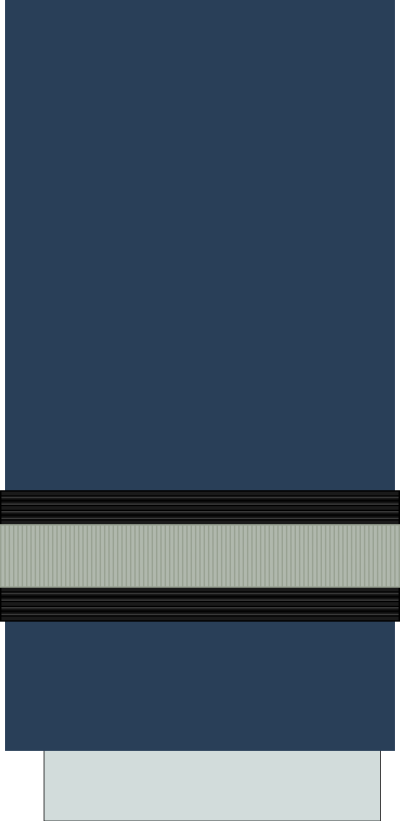 | Brigadier-General | OF-6 | Wing commanders and senior directors. |
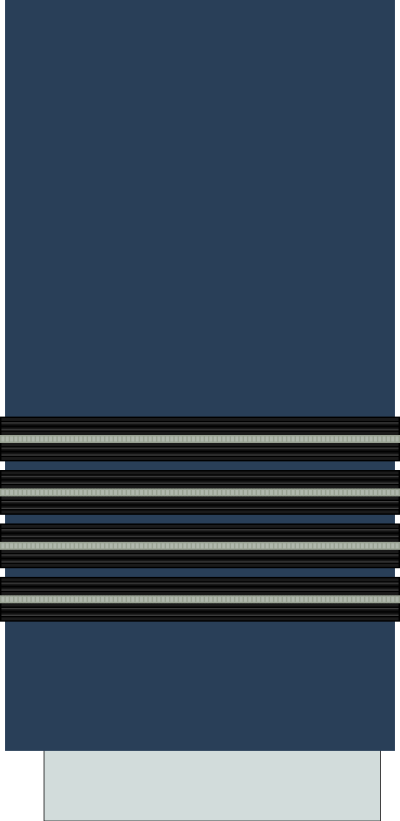 | Colonel | OF-5 | Senior staff appointments and command of large support formations. |
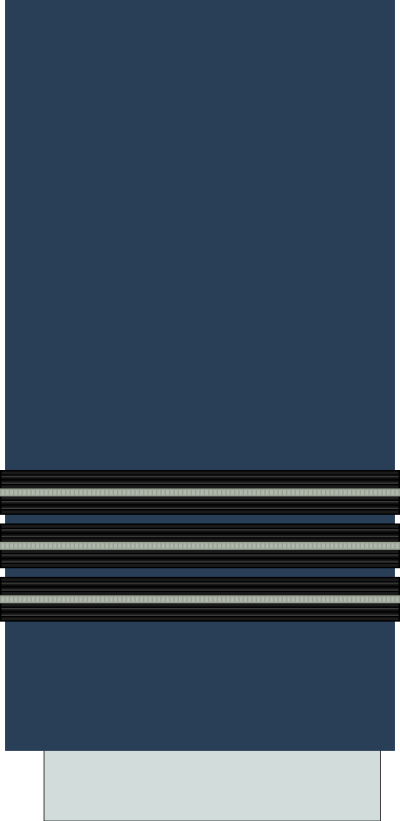 | Lieutenant-Colonel | OF-4 | Commands a squadron-sized flying or support unit. |
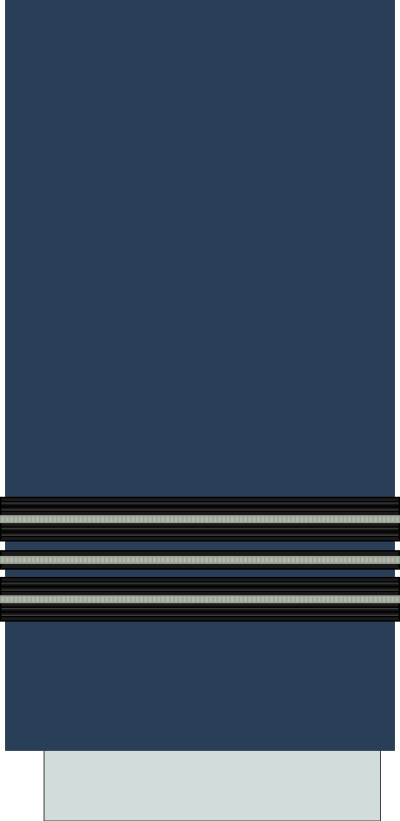 | Major | OF-3 | Flight commanders, squadron deputies, and senior specialists such as pilots and engineers. |
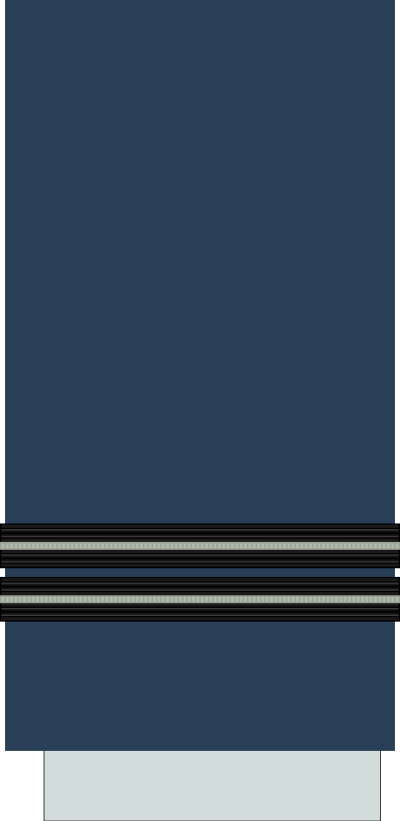 | Captain | OF-2 | Junior officers building flying hours or trade experience, often leading a flight. |
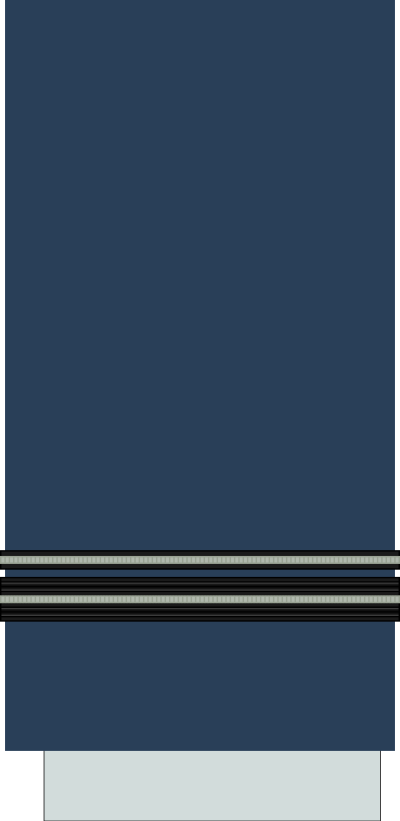 | Lieutenant | OF-1 | Newly winged or trade-qualified officers in their first operational postings. |
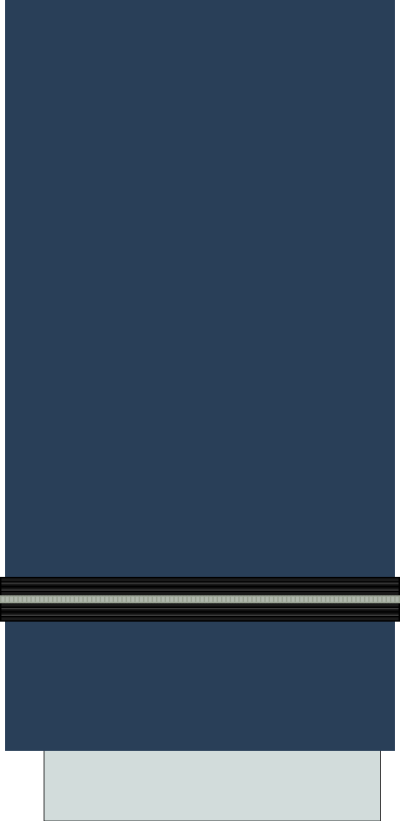 | Second Lieutenant | OF-1 | The first commissioned rank, held during initial air force officer training. |
 | Officer Cadet | OF(D) | A subordinate officer under training for an air force commission. |
Non-Commissioned Members of the Royal Canadian Air Force
The RCAF’s NCM ladder mirrors the army’s, with one telling difference: since 2015 the junior ranks are called Aviator rather than Private — a small change that restored a distinctly air force identity. Badges follow the same chevron-and-maple-leaf pattern in air force blue.
| Insignia | Rank | NATO Code | Details |
|---|---|---|---|
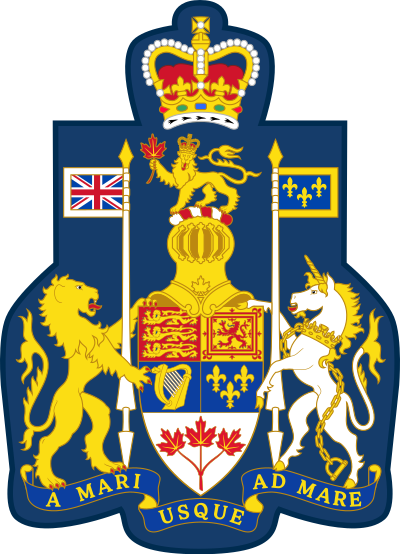 | Chief Warrant Officer | OR-9 | The Canadian coat of arms. The senior airman/airwoman of a wing or formation. |
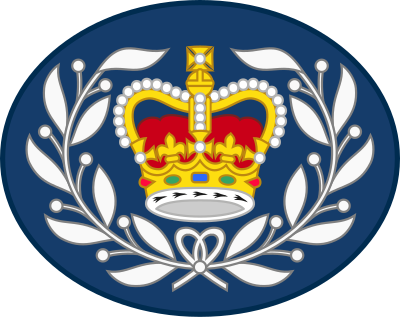 | Master Warrant Officer | OR-8 | A crown in a wreath. Senior NCM of a squadron’s ground or support element. |
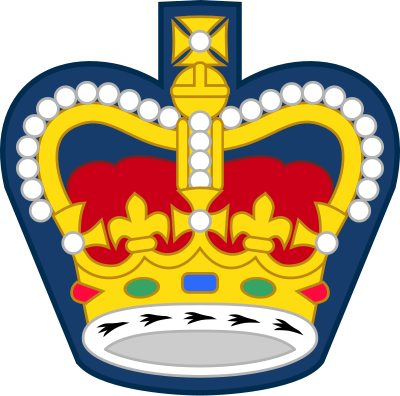 | Warrant Officer | OR-7 | A crown. An experienced technical leader and supervisor. |
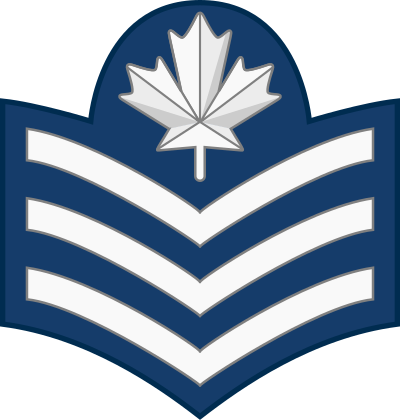 | Sergeant | OR-6 | Three chevrons beneath a maple leaf. Supervises a section of technicians or support staff. |
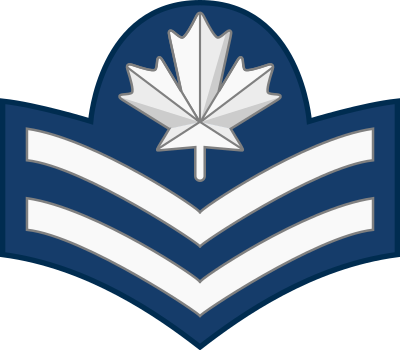 | Master Corporal | OR-5 | Two chevrons beneath a maple leaf. An appointment marking a senior corporal. |
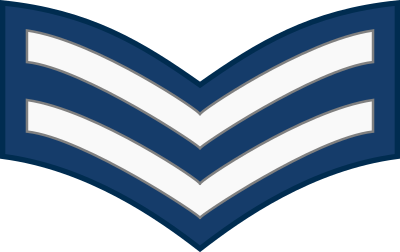 | Corporal | OR-4 | Two chevrons. A trained aviator working in their trade. |
 | Aviator (Trained) | OR-3 | One chevron. Trade-qualified and serving on a wing or squadron. |
| No insignia | Aviator (Basic) | OR-2 | Wears no rank badge while completing basic training. |
How Promotion Works in the Canadian Armed Forces
Promotion in the CAF is merit-based, not automatic. Everyone enters through one of two streams. Officers join via the Royal Military College of Canada, direct-entry programs for degree holders, or — for exceptional non-commissioned members — commissioning from the ranks. Non-commissioned members start with Basic Military Qualification at the Canadian Forces Leadership and Recruit School in Saint-Jean-sur-Richelieu, Quebec, then complete environmental and trade training before joining a unit as a Private, Sailor 3rd Class, or Aviator (Basic).
From there, advancement depends on annual performance evaluations, professional courses, leadership qualifications, and time in rank. Promotion boards weigh merit lists competitively — particularly for the senior NCM ranks and for field-grade officers (Major and above) — so two people who join together can easily end up on very different timelines. The senior appointment for NCMs is the Canadian Forces Chief Warrant Officer (or the naval equivalent), who advises the Chief of the Defence Staff on behalf of all non-commissioned members.
How to Read Canadian Rank Insignia
Three visual languages share one rank ladder. Army officers wear pips and crowns pinned to the shoulder strap — the pips are the Vimy Star, which replaced the Bath Star between 2017 and 2023 — while army general officers wear maple leaves under a crossed sabre and baton. Navy and air force officers wear sleeve braid instead: gold for the navy (with the traditional executive curl on the top stripe of line officers) and pearl-grey for the air force. Junior NCMs in all three services wear chevrons, with the maple leaf — Canada’s unmistakable national emblem — marking the senior appointments of Master Corporal, Master Sailor, and Sergeant.
Two details are worth knowing. First, every rank is officially bilingual: Général, Capitaine de vaisseau, Adjudant(e)-chef, and Matelot de 1re classe are the legal French equivalents of General, Captain (N), Chief Warrant Officer, and Sailor 1st Class. Second, the crown is changing: in April 2023 the King approved a new Canadian Royal Crown — a Tudor-style design with maple leaves and a snowflake — to replace St. Edward’s Crown on military insignia. The changeover will take years, so for now both crowns remain correct and in wear.
Frequently Asked Questions
What is the highest rank in the Canadian Armed Forces?
General (army and air force) or Admiral (navy) — the four-star OF-9 rank, normally held only by the Chief of the Defence Staff, Canada’s senior uniformed officer. Above every rank stands the Commander-in-Chief: the King of Canada, represented by the Governor General.
Do the Canadian Army and Air Force use the same ranks?
Yes — the rank names are identical from Second Lieutenant to General, a legacy of the 1968 unification. Only the insignia differs: army officers wear pips and crowns on shoulder straps, while air force officers wear pearl-grey sleeve braid. The navy alone uses its own traditional names, like Lieutenant-Commander and Petty Officer.
What is a Master Corporal — a rank or an appointment?
Strictly an appointment, conferred on a qualified Corporal — and the same is true of Master Sailor in the navy. The two chevrons with a maple leaf mark the appointment. In everyday service life it functions like a rank (NATO OR-5), sitting between Corporal and Sergeant.
How long does it take to get promoted in the CAF?
There is no fixed timetable: promotion is competitive and merit-based, decided by boards weighing performance reports, courses, leadership qualifications, and time in rank. Junior promotions can come within a few years; senior NCM and field-officer ranks typically take a decade or more of strong service.
Why do some Canadian badges show different crowns?
Canada is mid-transition. The Canadian Royal Crown — approved in April 2023, a Tudor-style crown with maple leaves and a snowflake — is gradually replacing St. Edward’s Crown on all military insignia. Both remain valid during the multi-year changeover, so you will see both in wear.
Image credits: Rank insignia images by Sodacan via Wikimedia Commons, under CC BY-SA 4.0. Full licence and source details are recorded in the article’s image log.