The Russian Armed Forces carry one of the most recognisable rank systems in the world: gold stars on broad shoulder boards — pogony — that have survived the Soviet era and the post-2010 reforms almost intact. This complete 2026 guide lists every Russian military rank in order, with insignia images, for the three main services: the Ground Forces (Army), the Navy, and the Aerospace Forces (VKS). You’ll also learn how to read the famous shoulder boards, what each rank actually does, how promotion works, and the answers to the most common questions — including why Russia has no brigadier general and what makes the praporshchik ranks so unusual.
The current system took shape after the 2010 insignia reform, which reintroduced shoulder boards modelled on Imperial and Soviet designs, and the 2013 reform, which gave the army general his marshal’s star and brought back the warrant-officer ranks that had been abolished five years earlier. Across all three services, rank is worn on the pogony; the Navy additionally wears sleeve stripes, just as it did in Soviet times.
Commissioned Officer Ranks of the Russian Ground Forces
Army officers are commissioned through military academies and command everything from platoons to military districts. The ladder runs from Junior Lieutenant (OF-1) to Marshal of the Russian Federation (OF-10) — though note that Marshal is currently vacant: the only officer ever to hold it was former Defence Minister Igor Sergeyev. One famous quirk of the Russian system: there is no brigadier general equivalent. The first general rank is General-mayor — Major General — so Russia jumps straight from Colonel (OF-5) to a one-star rank named “major general”. The table below lists every Army officer rank from highest to lowest with its post-2010 shoulder board, NATO code, and typical role.
| Insignia | Rank | NATO Code | Details |
|---|---|---|---|
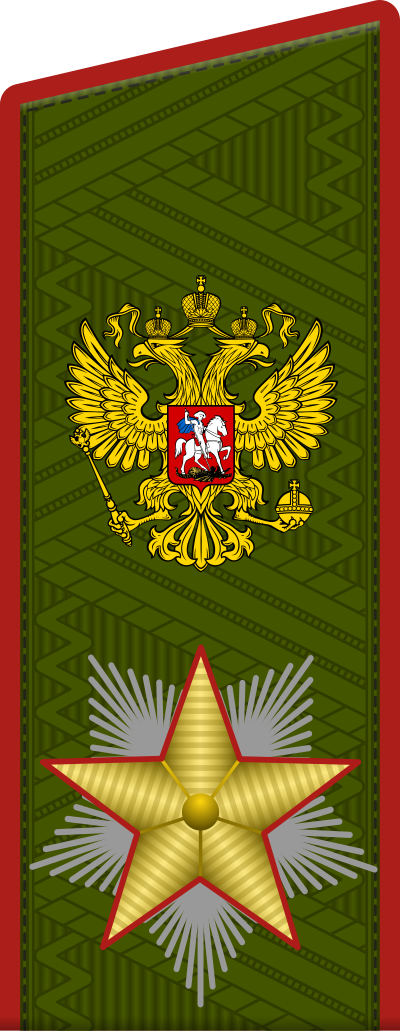 | Marshal of the Russian Federation Marshal Rossiyskoy Federatsii | OF-10 | Five-star supreme rank, currently vacant. Wears the Russian coat of arms and a large marshal’s star on gold boards. |
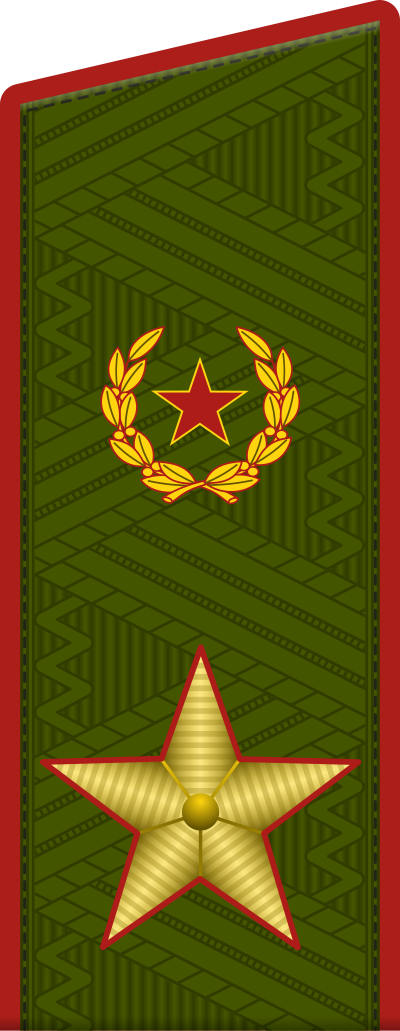 | General of the Army General armii | OF-9 | Highest rank in active service; held by the Chief of the General Staff. Since 2013 the boards carry a marshal’s star under a red star in a wreath. |
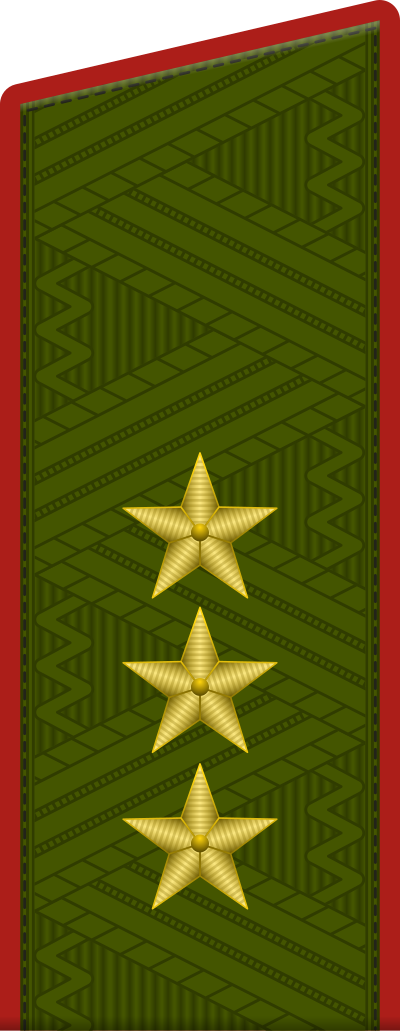 | Colonel General General-polkovnik | OF-8 | Commands military districts and service branches; equivalent to a lieutenant general in NATO armies. |
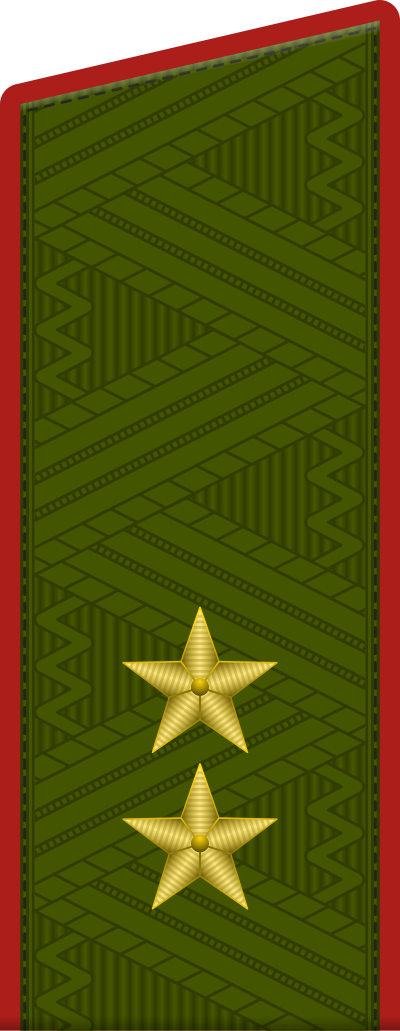 | Lieutenant General General-leytenant | OF-7 | Two-star rank commanding combined-arms armies or serving as deputy district commander. |
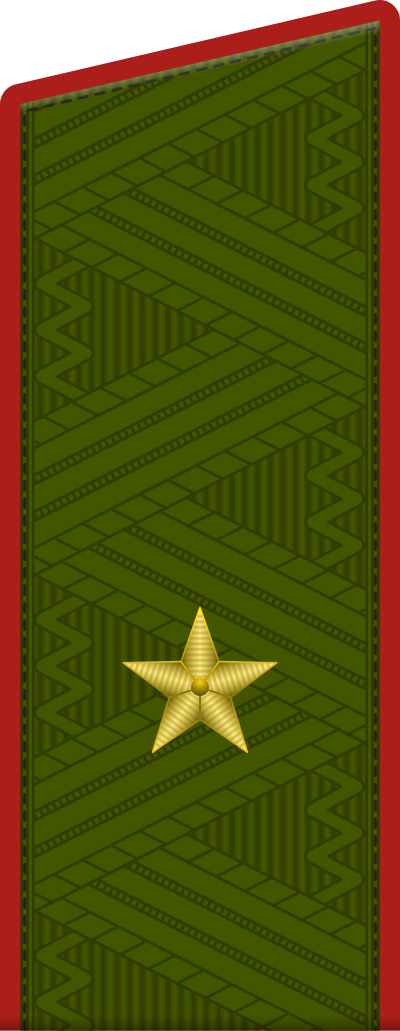 | Major General General-mayor | OF-6 | First general rank — Russia’s equivalent of a brigadier general. Typically commands a division. |
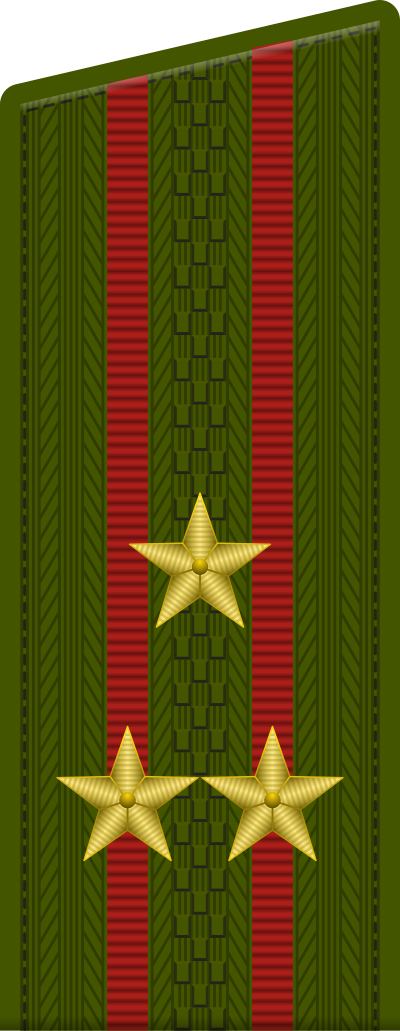 | Colonel Polkovnik | OF-5 | Commands a regiment or brigade; the senior field-grade rank before general officer. |
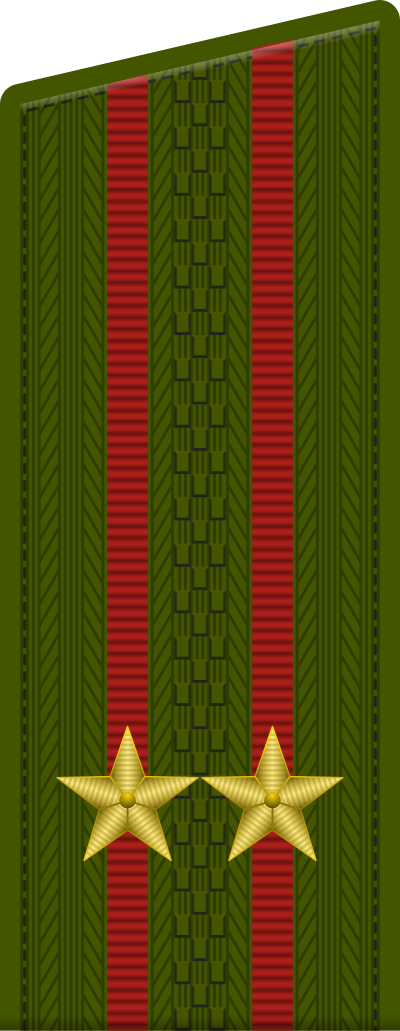 | Lieutenant Colonel Podpolkovnik | OF-4 | Deputy regimental commander or battalion commander; senior staff officer. |
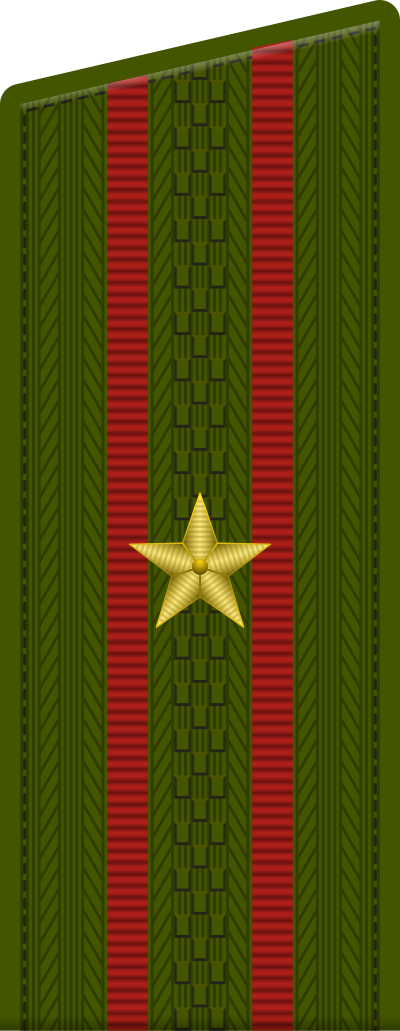 | Major Mayor | OF-3 | Commands a battalion or serves as chief of staff of a regiment. |
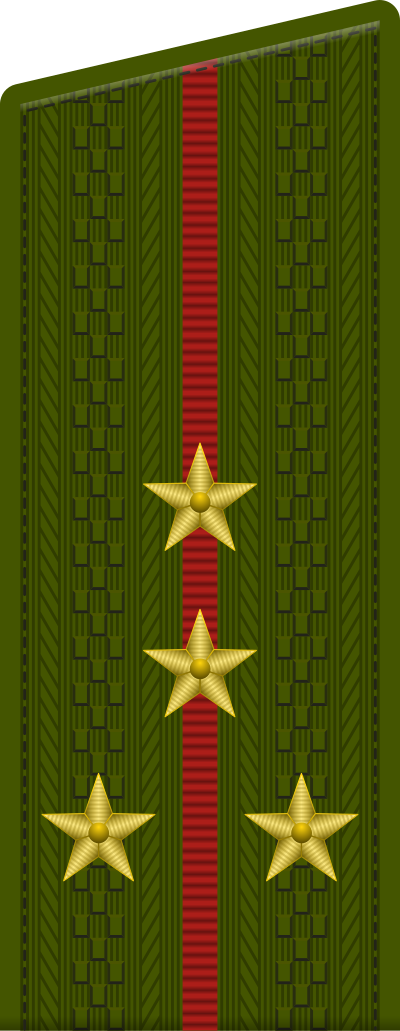 | Captain Kapitan | OF-2 | Commands a company (about 100 soldiers); the senior company-grade rank. |
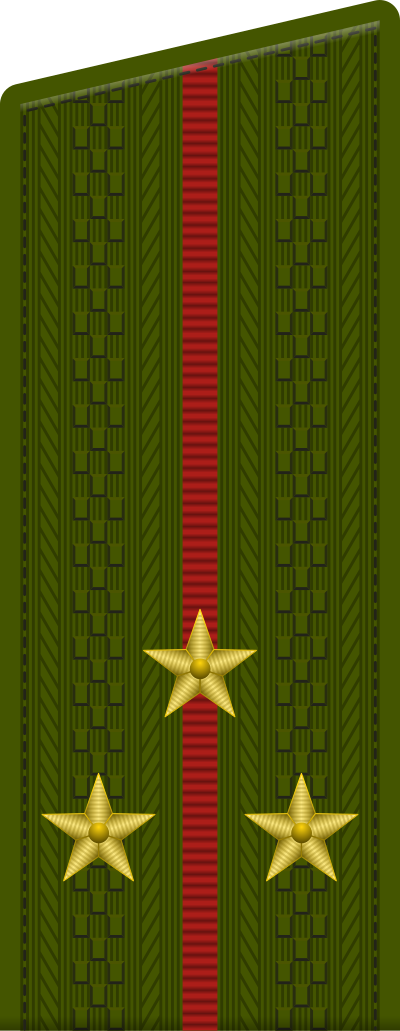 | Senior Lieutenant Starshiy leytenant | OF-1 | Deputy company commander or platoon commander with several years of service. |
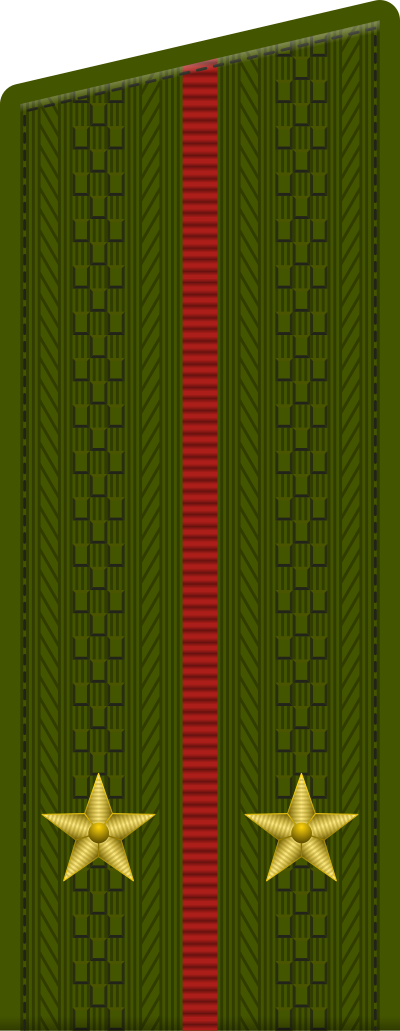 | Lieutenant Leytenant | OF-1 | Commands a platoon of 20–40 soldiers; the standard rank of a newly commissioned officer after two years. |
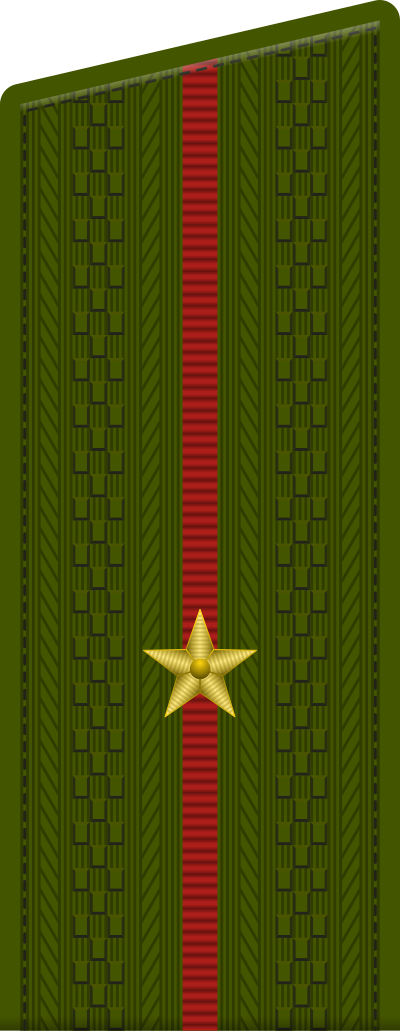 | Junior Lieutenant Mladshiy leytenant | OF-1 | First commissioned rank on graduating from a military academy; leads a platoon under mentorship. |
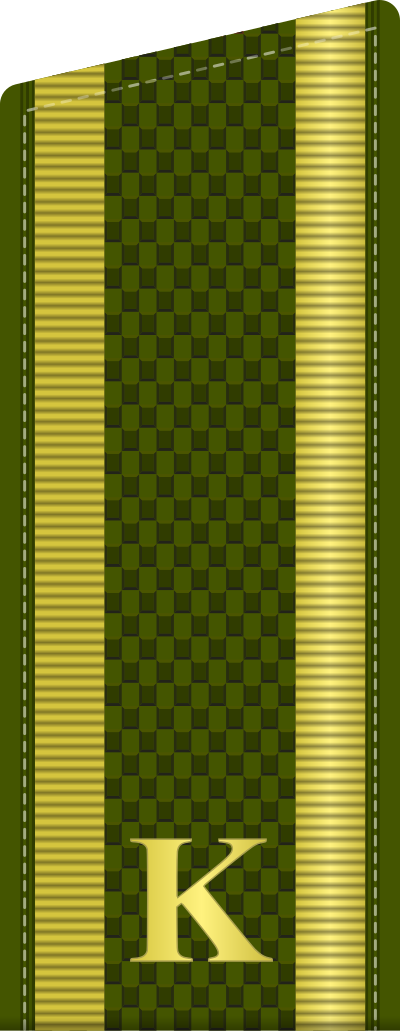 | Officer Cadet Kursant | OF-D | Trainee at a military academy, marked with a “K” on the boards; not yet a commissioned rank. |
NCOs, Warrant Officers and Enlisted of the Russian Army
The Army’s other ranks climb from Ryadovoy (private) through the sergeant grades to Starshina, then into the distinctive praporshchik warrant ranks — a Russian and Soviet institution with no exact NATO parallel. Praporshchik ranks were abolished in the 2008 reforms and reinstated in spring 2013, because the Army found it still needed experienced technical specialists between sergeants and officers. On the post-2010 boards, corporals and sergeants wear small horizontal gold bars that multiply with seniority, a senior sergeant wears one wide bar, and a starshina wears the wide bar vertically.
| Insignia | Rank | NATO Code | Details |
|---|---|---|---|
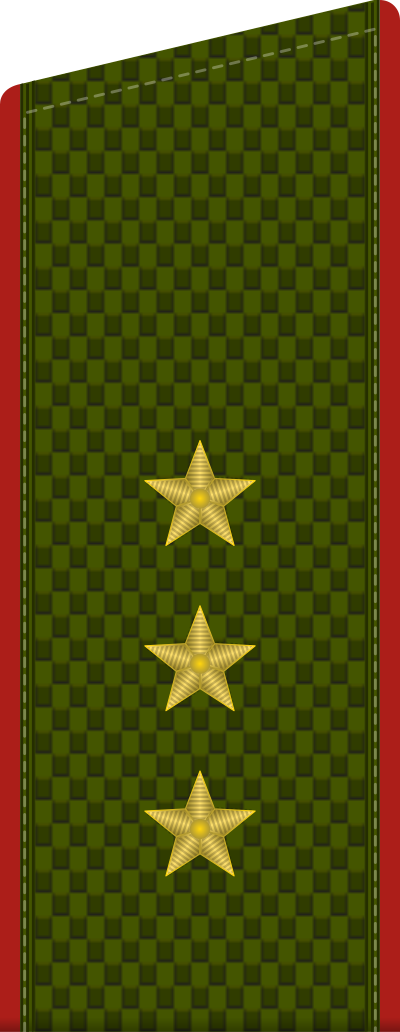 | Senior Warrant Officer Starshiy praporshchik | OR-9 | Top of the warrant ladder; senior technical specialist or company-level administrative leader. |
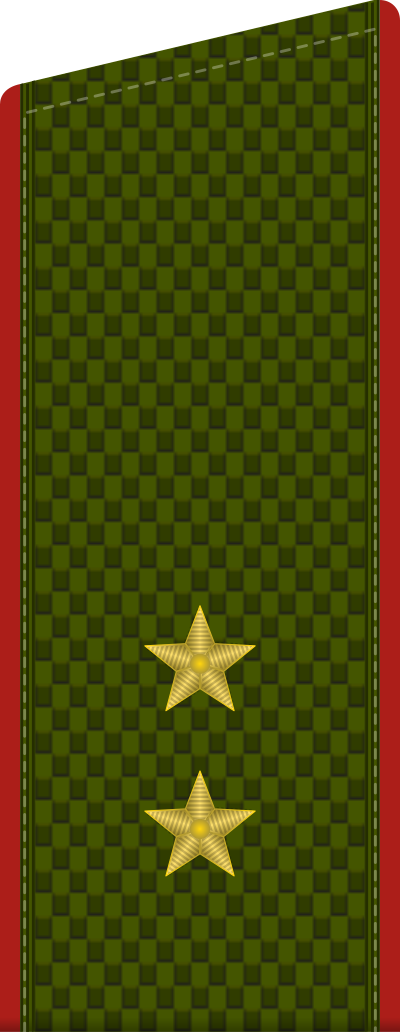 | Warrant Officer Praporshchik | OR-9 | Experienced specialist — technicians, supply and administrative roles; above all sergeants, below officers. |
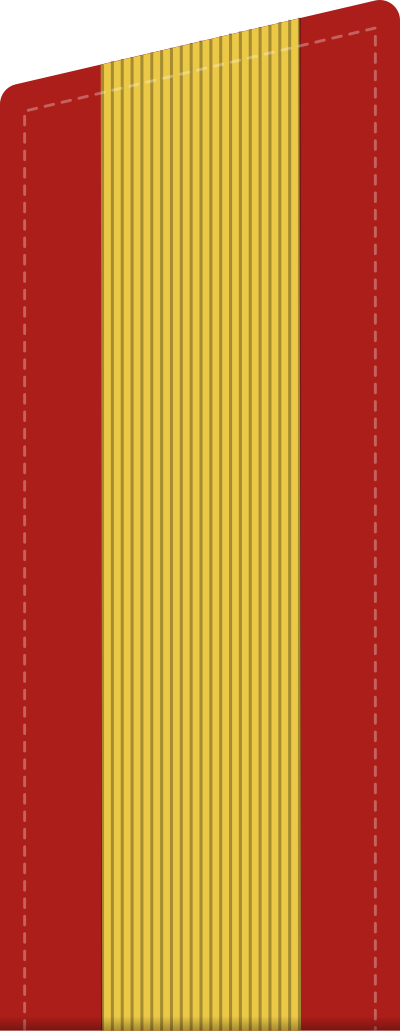 | Sergeant Major Starshina | OR-7 | The senior sergeant rank, wearing the vertical bar; a company’s top NCO and the commander’s right hand. |
 | Senior Sergeant Starshiy serzhant | OR-6 | Wears one wide horizontal bar; deputy platoon commander or senior section leader. |
 | Sergeant Serzhant | OR-5 | Squad or section leader with three bars; the backbone of daily troop leadership. |
 | Junior Sergeant Mladshiy serzhant | OR-4 | First NCO rank with two bars; leads a team or serves as assistant squad leader. |
 | Corporal Yefreytor | OR-2 | Senior private with one bar; often the most experienced soldier in a squad. |
 | Private Ryadovoy | OR-1 | Entry rank of conscripts and contract soldiers; boards are plain with no bars. |
Guards, branches and suffixes: servicemen in elite “Guards” units prefix their rank with Guards (e.g. Guards Sergeant). Medical, legal and veterinary officers add of the medical service, of justice or of the veterinary service after the rank, and reservists or retirees add of the reserve or in retirement. Naval infantry and shore units of the fleet wear Army-style ranks rather than naval ones.
Russian Navy Ranks and Insignia
The Russian Navy keeps its own separate rank ladder with roots in Peter the Great’s fleet. Flag officers run from Counter Admiral (the one-star rank — Russia has no commodore) up to Admiral of the Fleet, a four-star rank, not five: Russia currently uses no five-star naval rank. Below them, the Navy’s captain ranks are numbered — Captain 1st, 2nd and 3rd Rank — roughly matching colonel, lieutenant colonel and major, while Captain-Lieutenant matches an army captain. Naval officers wear black shoulder boards with gold stripes and stars, and also carry traditional gold sleeve stripes on dress uniforms.
| Insignia | Rank | NATO Code | Details |
|---|---|---|---|
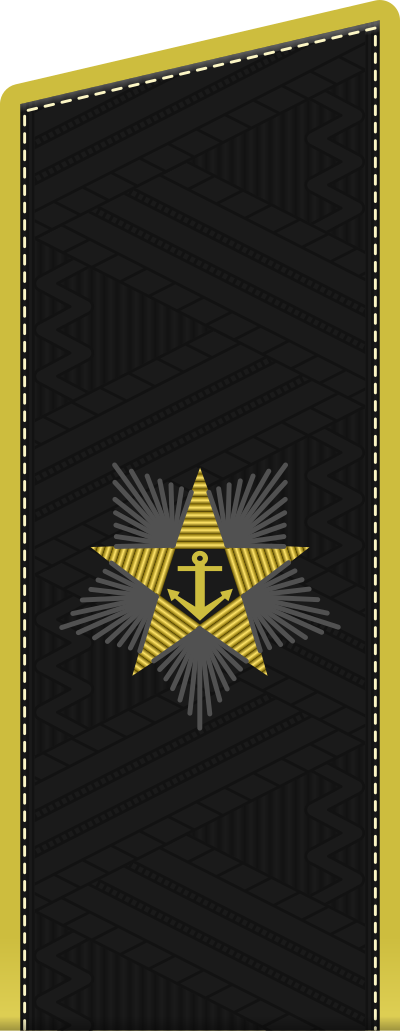 | Admiral of the Fleet Admiral flota | OF-9 | Highest naval rank; equivalent to General of the Army. A four-star rank — Russia has no five-star admiral. |
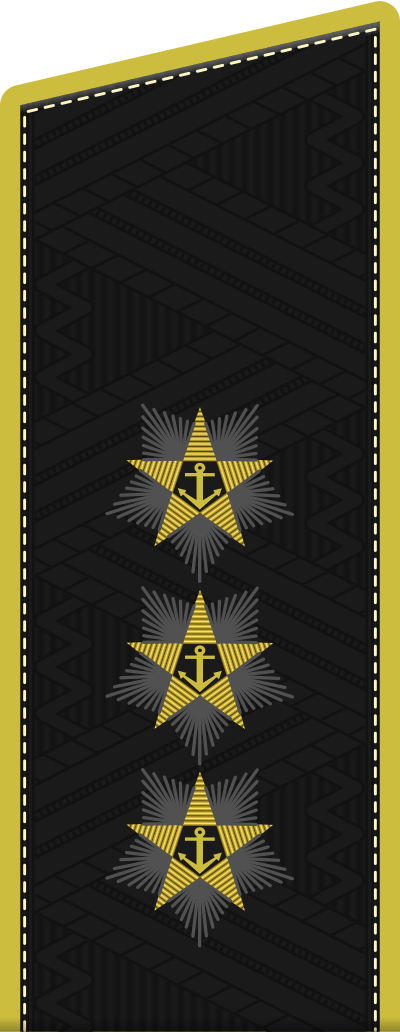 | Admiral Admiral | OF-8 | Commands a fleet (e.g. the Northern or Pacific Fleet). |
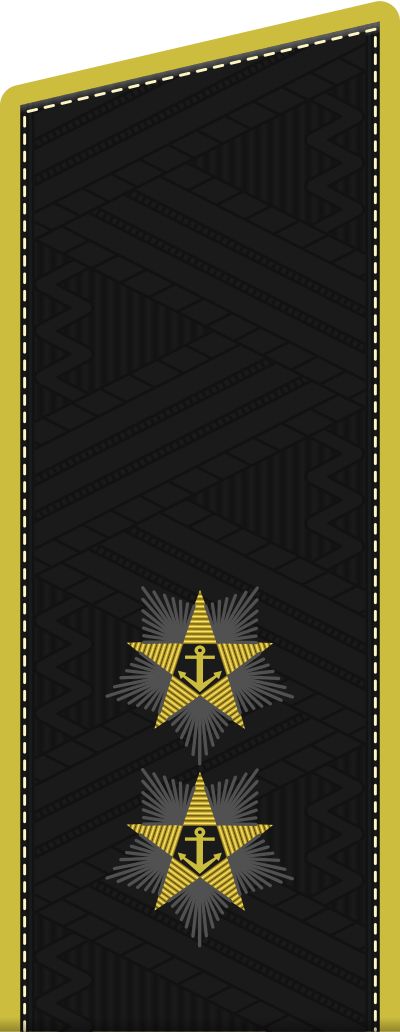 | Vice Admiral Vitse-admiral | OF-7 | Deputy fleet commander or commander of a flotilla. |
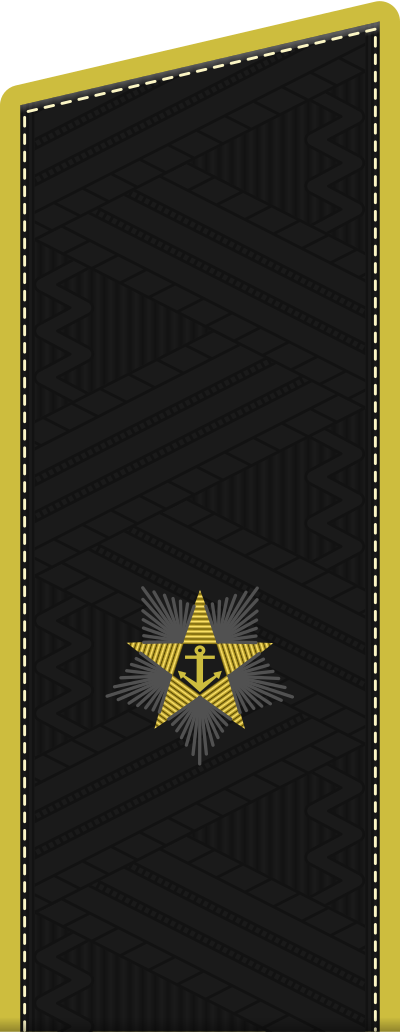 | Counter Admiral Kontr-admiral | OF-6 | First flag rank — Russia’s rear admiral equivalent; there is no commodore rank. |
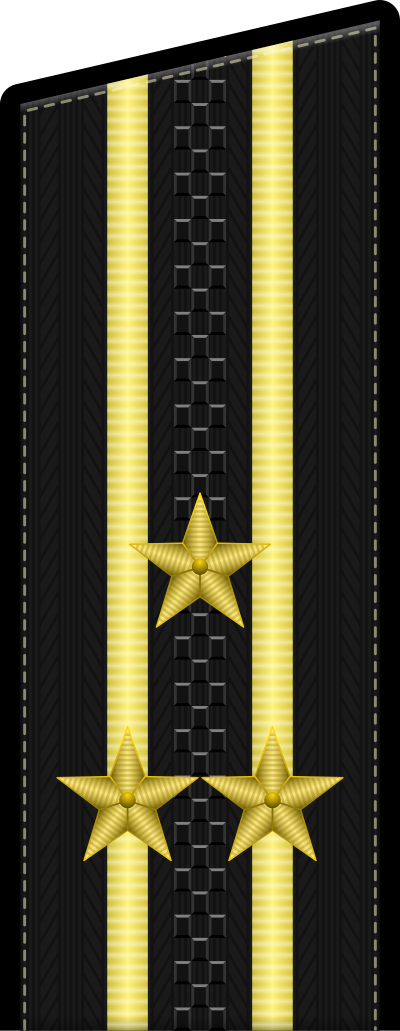 | Captain 1st Rank Kapitan 1-go ranga | OF-5 | Commands a major warship such as a cruiser or destroyer; equivalent to colonel. |
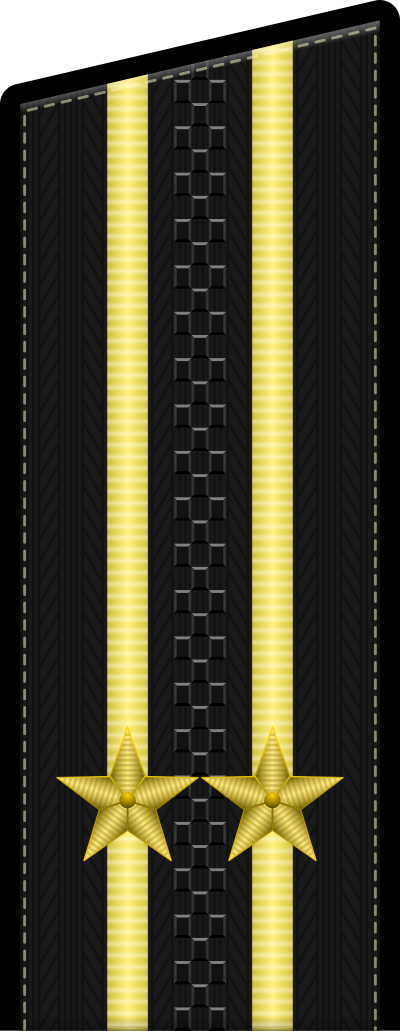 | Captain 2nd Rank Kapitan 2-go ranga | OF-4 | Commands a frigate or submarine; equivalent to lieutenant colonel. |
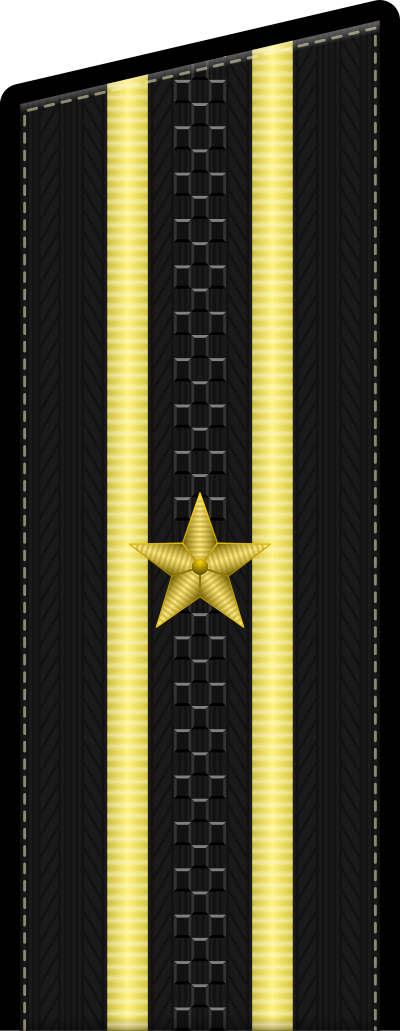 | Captain 3rd Rank Kapitan 3-go ranga | OF-3 | Commands a corvette or missile boat; equivalent to major. |
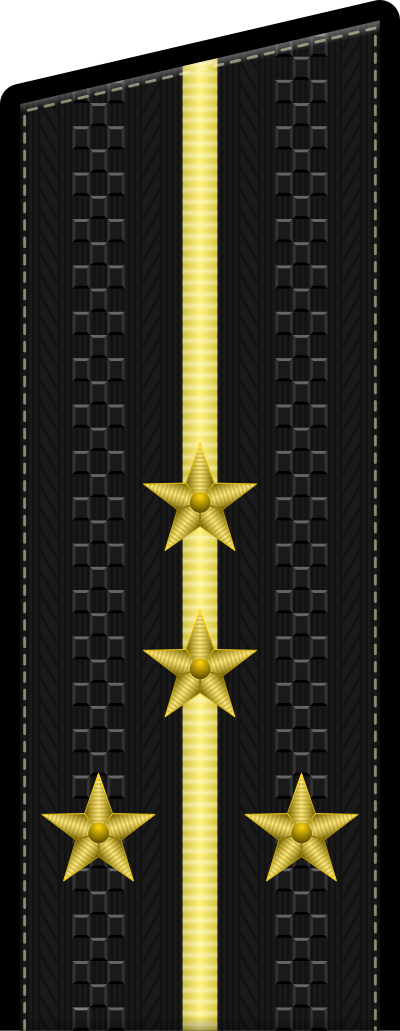 | Captain-Lieutenant Kapitan-leytenant | OF-2 | Executive officer of a small warship or department head; equivalent to army captain. |
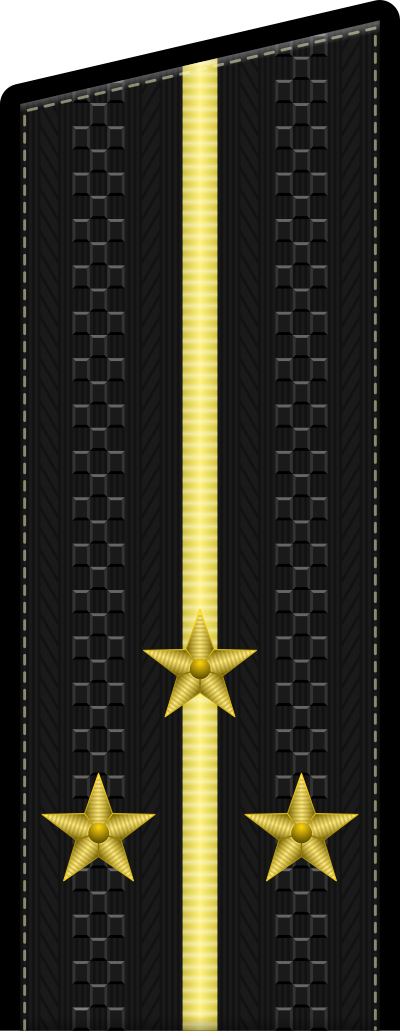 | Senior Lieutenant Starshiy leytenant | OF-1 | Watch officer or division officer aboard ship. |
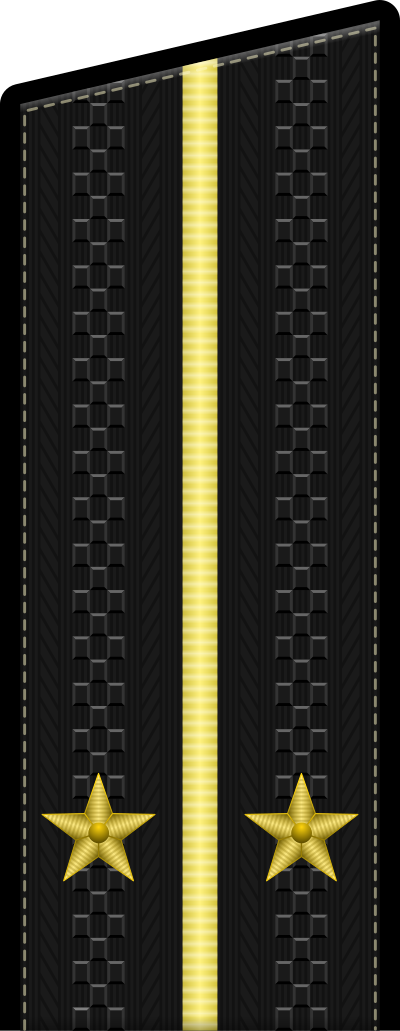 | Lieutenant Leytenant | OF-1 | Junior officer standing watches and leading a division of sailors. |
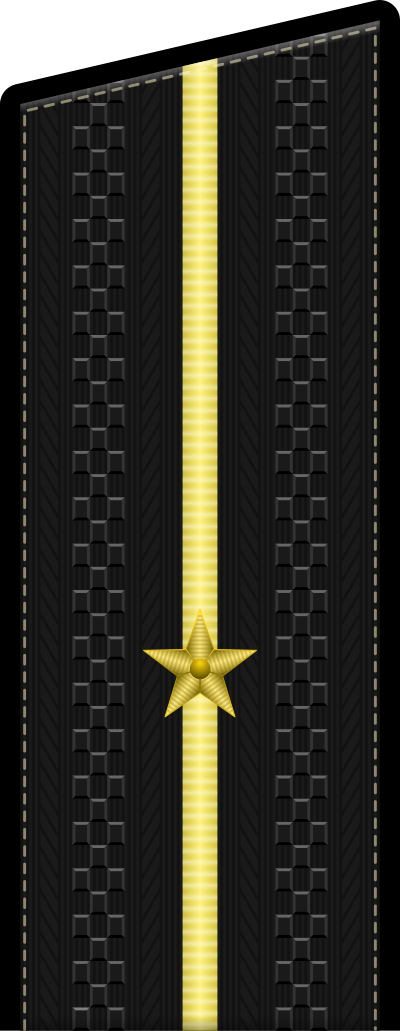 | Junior Lieutenant Mladshiy leytenant | OF-1 | First commissioned rank after naval academy graduation. |
The Navy’s warrant and enlisted ladder uses michman (warrant) ranks and starshina/matros (sailor) grades — all worn on black shoulder boards with gold bars and chevrons:
| Insignia | Rank | NATO Code | Details |
|---|---|---|---|
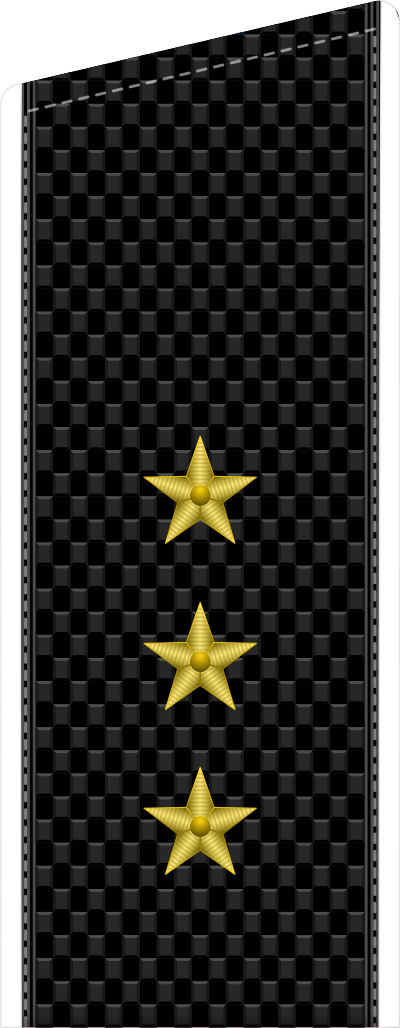 | Senior Michman Starshiy michman | OR-9 | Senior warrant officer; the naval equivalent of senior praporshchik. |
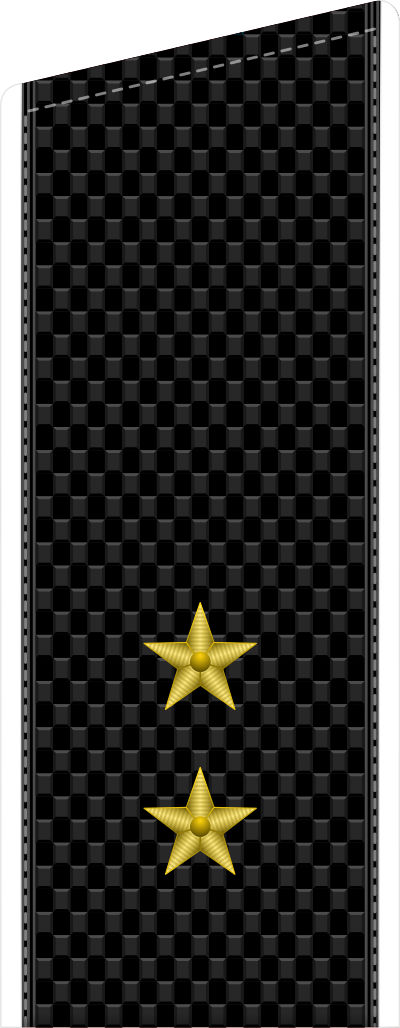 | Michman Michman | OR-9 | Warrant officer; experienced technical specialist, the naval equivalent of praporshchik. |
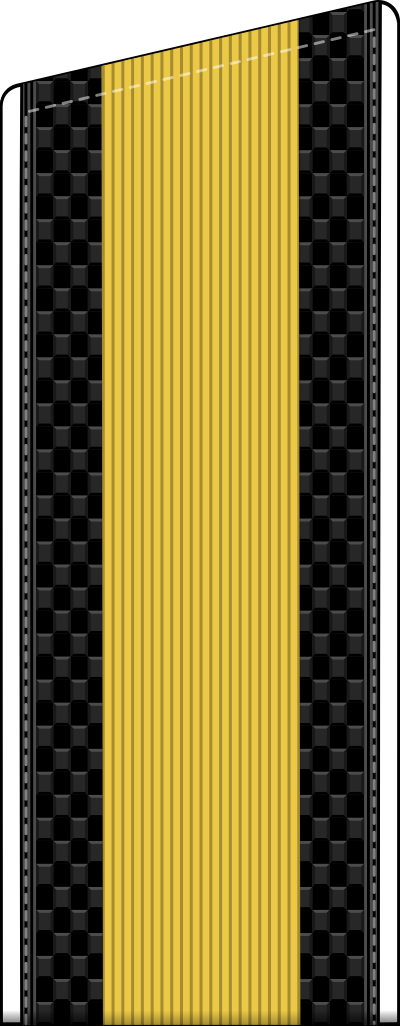 | Chief Ship Starshina Glavny korabelny starshina | OR-7 | Senior ship’s NCO, roughly the navy’s sergeant major. |
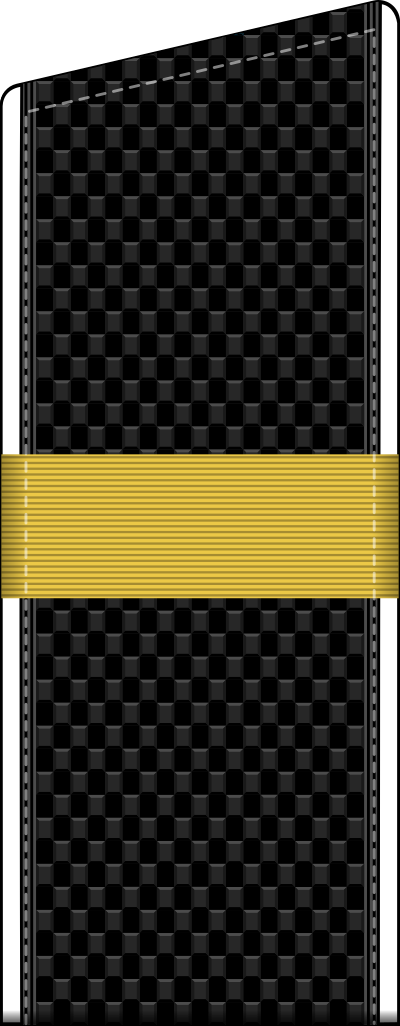 | Chief Starshina Glavny starshina | OR-6 | Senior petty officer leading a ship’s department section. |
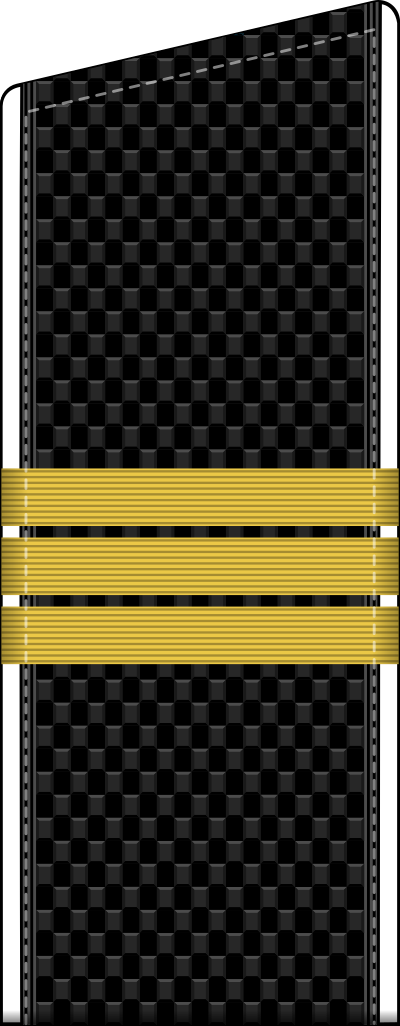 | Starshina 1st Article Starshina 1-y stati | OR-5 | Petty officer first class. |
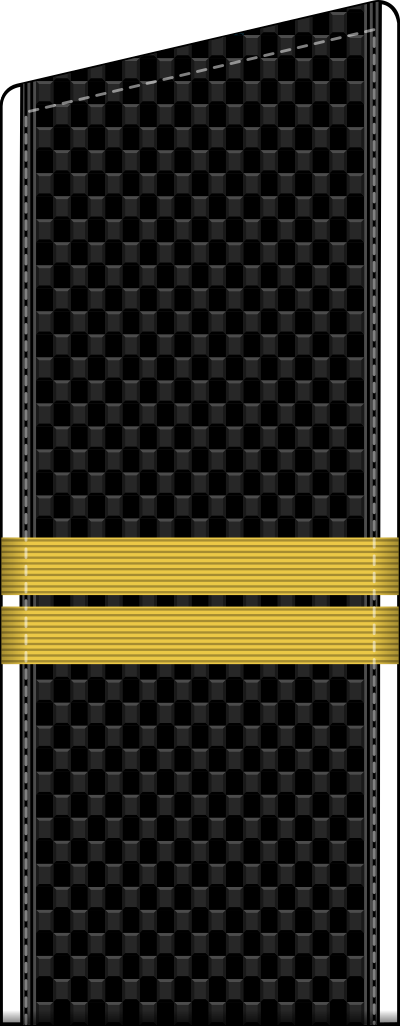 | Starshina 2nd Article Starshina 2-y stati | OR-4 | Petty officer second class; first supervisory sailor rank. |
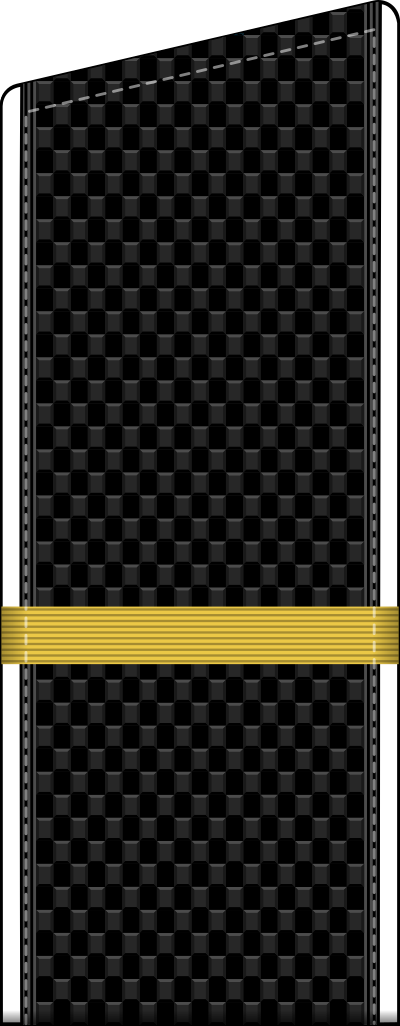 | Senior Seaman Starshiy matros | OR-2 | Senior sailor; the naval equivalent of corporal. |
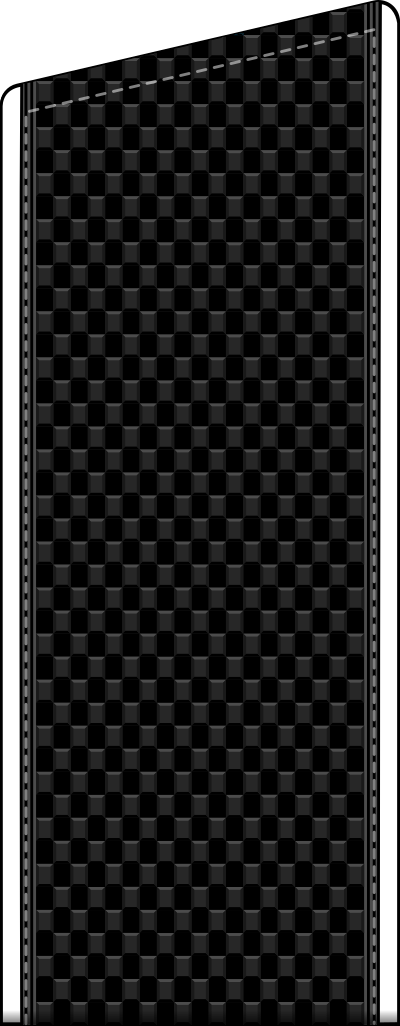 | Seaman Matros | OR-1 | Entry rank of the fleet; plain black boards. |
Russian Aerospace Forces (VKS) Ranks
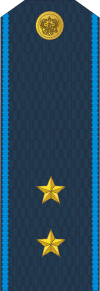
The Aerospace Forces (Vozdushno-kosmicheskiye sily, VKS) were formed on 1 August 2015 from the merger of the Air Force and the Aerospace Defence Forces. They use exactly the same rank titles as the Ground Forces — from Junior Lieutenant to General of the Army — but their shoulder boards are instantly recognisable by their sky-blue backing and piping instead of the Army’s green and red. The table below shows the VKS officer ladder with its blue boards.
| Insignia | Rank | NATO Code | Details |
|---|---|---|---|
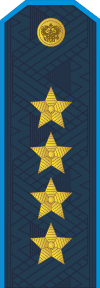 | General of the Army General armii | OF-9 | Commander-in-Chief of the Aerospace Forces; highest rank held in the VKS. |
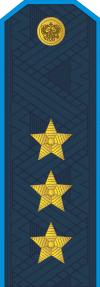 | Colonel General General-polkovnik | OF-8 | Commands an air army or serves as deputy commander-in-chief. |
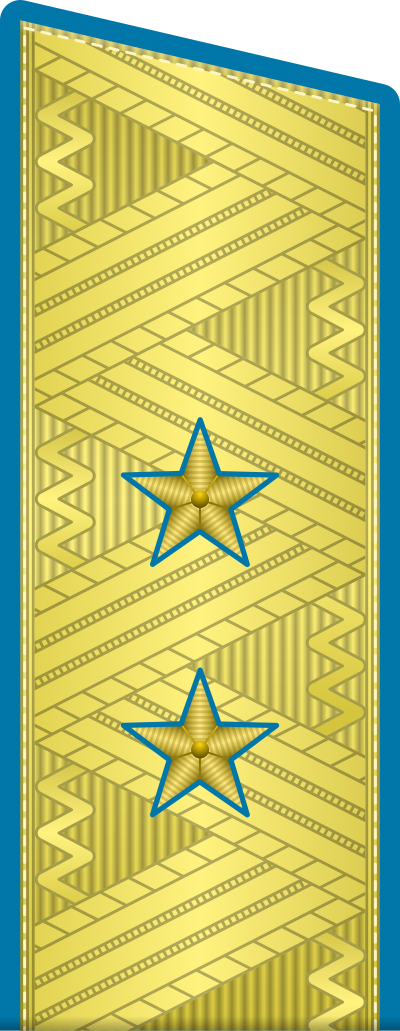 | Lieutenant General General-leytenant | OF-7 | Two-star rank leading major air formations or air-defence districts. |
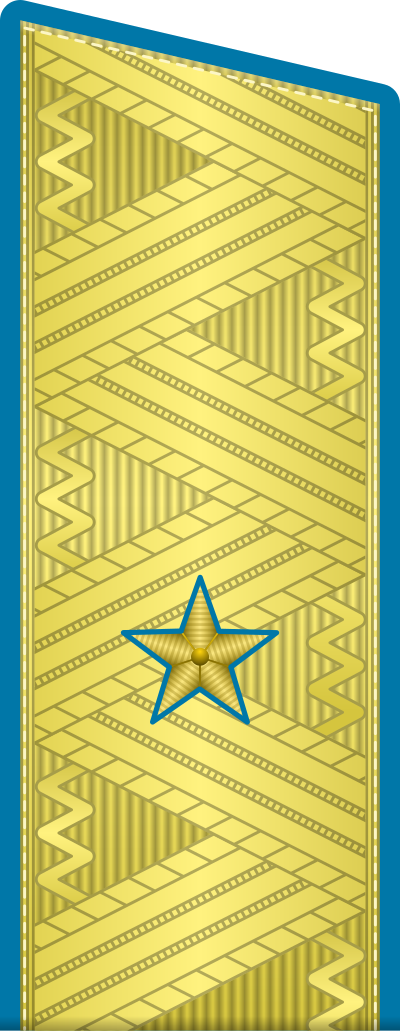 | Major General General-mayor | OF-6 | First general rank; commands an air division. |
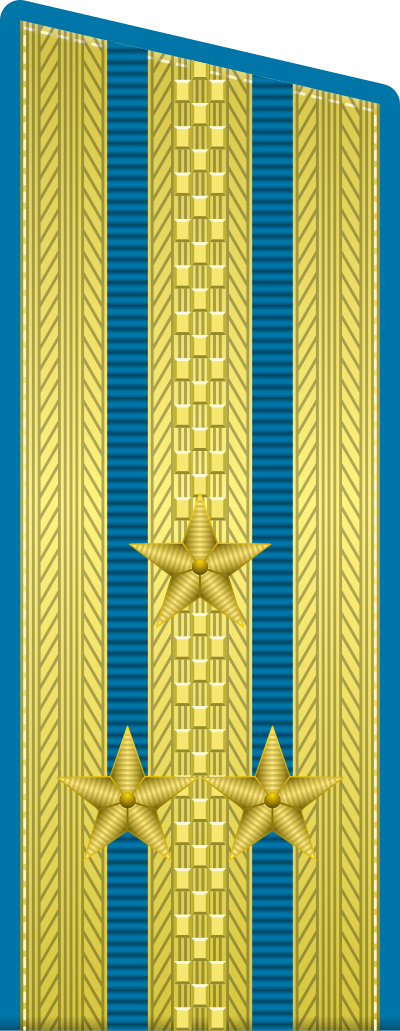 | Colonel Polkovnik | OF-5 | Commands an aviation regiment or air-defence brigade. |
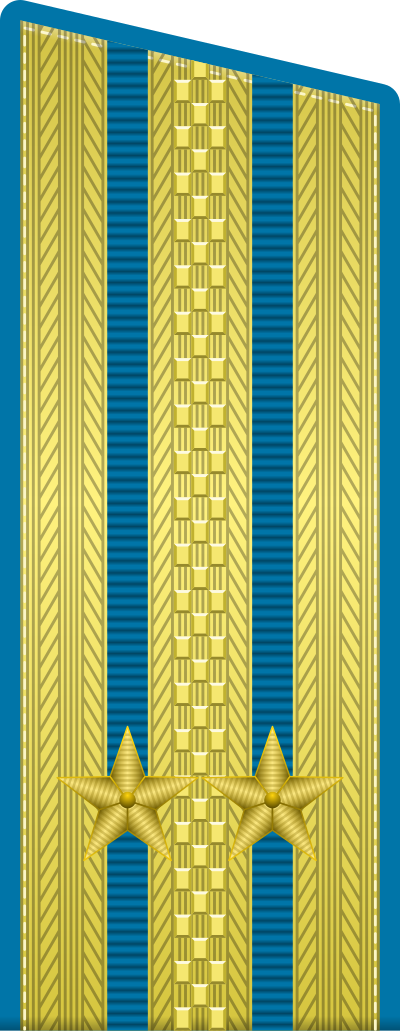 | Lieutenant Colonel Podpolkovnik | OF-4 | Deputy regimental commander or squadron commander. |
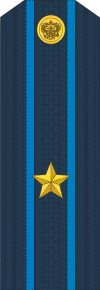 | Major Mayor | OF-3 | Flight commander or deputy squadron commander. |
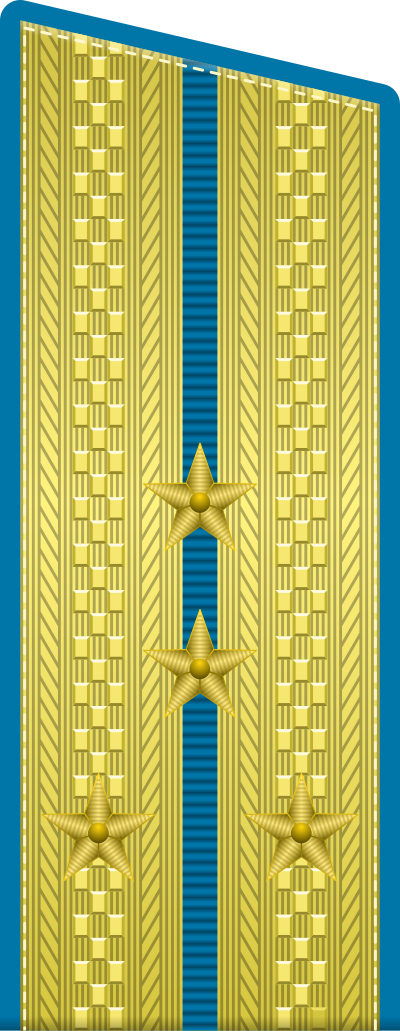 | Captain Kapitan | OF-2 | Aircraft commander or senior flight officer. |
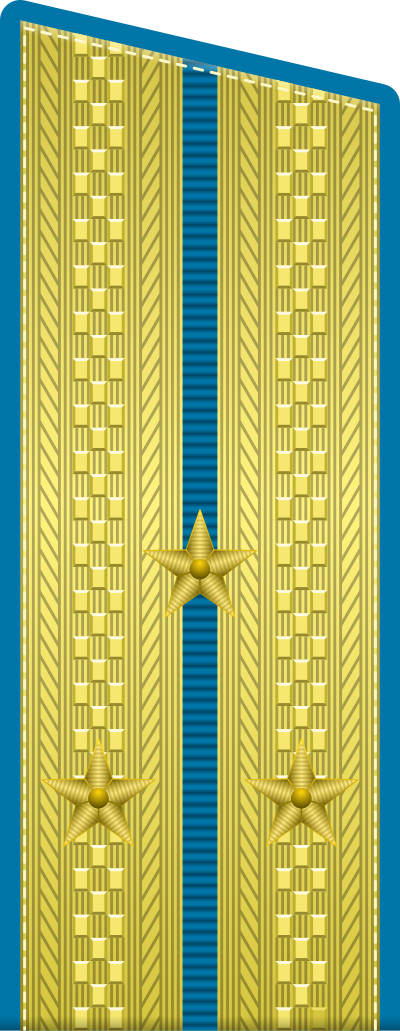 | Senior Lieutenant Starshiy leytenant | OF-1 | Pilot or navigator with several years of flying service. |
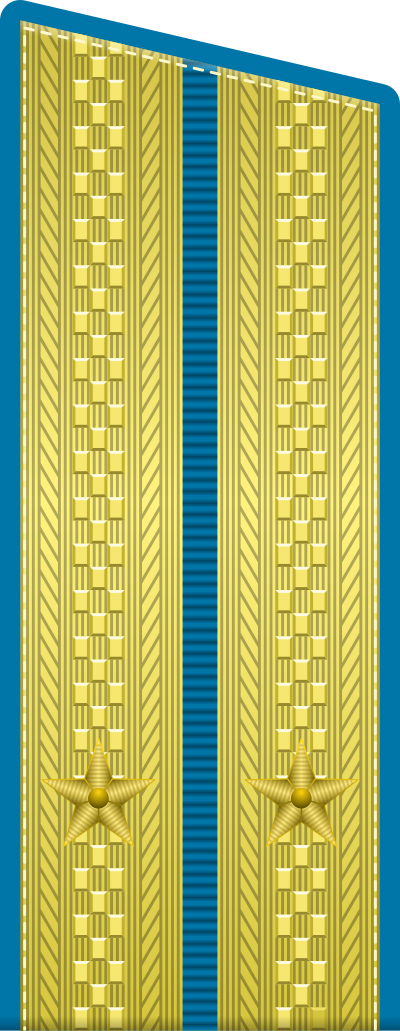 | Lieutenant Leytenant | OF-1 | Junior pilot or technical officer after flight school. |
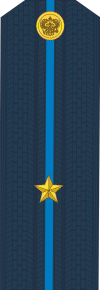 | Junior Lieutenant Mladshiy leytenant | OF-1 | First commissioned rank on graduating from an aviation academy. |
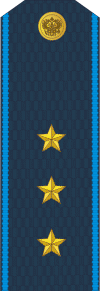 | Senior Praporshchik Starshiy praporshchik | OR-9 | Senior warrant officer; experienced aviation technician. |
 | Praporshchik Praporshchik | OR-9 | Warrant officer; ground-crew and technical specialist roles. |
VKS non-commissioned officers and enlisted personnel — from Starshina down to Ryadovoy — wear the same rank designs as the Army table above, on sky-blue backing instead of red and green. The grades, bars and promotion path are identical to the Ground Forces.
Pogony: How to Read Russian Shoulder Boards
Pogony (singular pogon) are the shoulder boards that carry almost all Russian rank insignia, and learning their visual grammar lets you identify any rank at a glance. The background colour tells you the service: green with red piping for the Ground Forces, black for the Navy, sky blue for the Aerospace Forces. Gold is the dominant metal on dress and parade boards; field uniforms use subdued versions.
For officers, the board’s stripes and stars do the talking. Junior officers (junior lieutenant to captain) wear one central vertical stripe with one to four small stars — one star for junior lieutenant, two for lieutenant, three for senior lieutenant, four for captain. Senior officers (major to colonel) wear two stripes with one to three stars: major one, lieutenant colonel two, colonel three. Generals wear a zigzag-patterned board with one to four large stars — major general one, lieutenant general two, colonel general three, general of the army four — and the Marshal wears the Russian coat of arms with one huge marshal’s star. Warrant officers wear boards with a distinctive checkered pattern and two or three small stars.
For other ranks, it is all about bars: privates wear plain boards; corporals and sergeants wear one to three small horizontal bars (yefreytor one, junior sergeant two, sergeant three); a senior sergeant wears one wide bar; and a starshina wears the wide bar vertically. Navy ratings follow a similar bar-and-chevron logic on black.
Promotion in the Russian Armed Forces
Russia mixes conscripts (one year of compulsory service for men aged 18–30) with contract soldiers (kontraktniki) who serve voluntarily for longer terms. A conscript typically leaves service as a ryadovoy or yefreytor, while contract soldiers can build full NCO careers, rising through the sergeant grades to starshina and the praporshchik ranks on merit and time in service.
Officers earn their commissions at military academies — the Combined Arms Academy, naval institutes, and flight schools — graduating as junior lieutenants. Promotion then follows time-in-grade requirements combined with professional courses and fitness standards: a lieutenant typically becomes a senior lieutenant after two to three years, a captain after another three, and so on up the ladder. Reaching the general ranks requires selection by senior boards and, in practice, graduation from the General Staff Academy. Exceptional NCOs can also earn a commission through officer training, though the officer and NCO tracks are more separate than in many Western armies.
Frequently Asked Questions
What is the highest rank in the Russian military?
Marshal of the Russian Federation is the highest rank (OF-10), but it is currently vacant — only former Defence Minister Igor Sergeyev ever held it. The highest rank in active service is General of the Army (or Admiral of the Fleet in the Navy).
Does Russia have a brigadier general rank?
No. Russia has no brigadier-general or commodore equivalent. The first general rank is General-mayor (Major General), which fills the role a brigadier would hold — typically commanding a division.
What is a praporshchik?
A praporshchik is a Russian warrant officer — a senior technical specialist ranking above all sergeants but below commissioned officers. The rank was abolished in 2008 and reinstated in 2013. The Navy’s equivalent is michman.
What are pogony?
Pogony are the shoulder boards on which Russian personnel wear their rank insignia. Officers’ ranks are shown by combinations of vertical stripes and stars; NCO and enlisted ranks by horizontal bars. The board’s background colour identifies the service: green for the Army, black for the Navy, sky blue for the Aerospace Forces.
How do Russian Navy ranks differ from Army ranks?
The Navy uses its own titles: admirals instead of generals, Captain 1st/2nd/3rd Rank instead of colonel/lieutenant colonel/major, Captain-Lieutenant instead of captain, michman instead of praporshchik, and matros (seaman) instead of ryadovoy (private).
Image credits: Russian rank shoulder-board images: Skjoldbro (CC BY-SA 4.0), F l a n k e r (CC BY 3.0), and uniforminsignia.net / Paqx (public domain), via Wikimedia Commons. Full licence records in _licence_log_russia.json.